Did you know that neglecting your coolant reservoir can lead to costly engine overheating? Keeping this critical component clean is essential for your vehicle’s health and performance. In this guide, we’ll walk you through the importance of maintaining a clean coolant reservoir and provide straightforward steps to prevent overheating.
By regularly cleaning and checking your coolant reservoir, you can ensure that your engine remains cool, efficient, and runs smoothly. This simple maintenance task can save you from expensive repairs and extend the life of your vehicle. So, if you’re concerned about your engine’s performance or just want to avoid potential breakdowns, keep reading to discover effective tips for cleaning your coolant reservoir and safeguarding your engine’s longevity.
Identify the Importance of a Clean Coolant Reservoir
A clean coolant reservoir is vital for maintaining your vehicle’s cooling system, ensuring optimal engine performance and preventing overheating. When the reservoir is clogged with debris or sediments, it can restrict the flow of coolant, leading to inefficient heat exchange and elevated engine temperatures. This not only jeopardizes the longevity of your engine but can also result in costly repairs if overheating becomes severe. Therefore, regularly inspecting and cleaning the coolant reservoir can significantly enhance your vehicle’s reliability and operational efficiency.
Contaminated coolant can introduce a range of problems beyond just flow obstruction. For instance, the presence of rust, dirt, or sludge within the reservoir can compromise the protective properties of your coolant, increasing the risk of corrosion in the radiator and engine components. This can create a vicious cycle, as corrosion can further contaminate the coolant, exacerbating the issue. By keeping your coolant reservoir clean, you not only minimize these risks but also promote a more effective cooling system, ensuring that your engine remains at a safe operating temperature.
To maintain a clean coolant reservoir, adopt a proactive approach. Regularly check the reservoir for any signs of contamination, and establish a routine cleaning schedule based on your vehicle’s usage and age. Remember, a little effort in maintenance can save you from significant troubles down the road, maintaining both performance and safety while you’re on the road.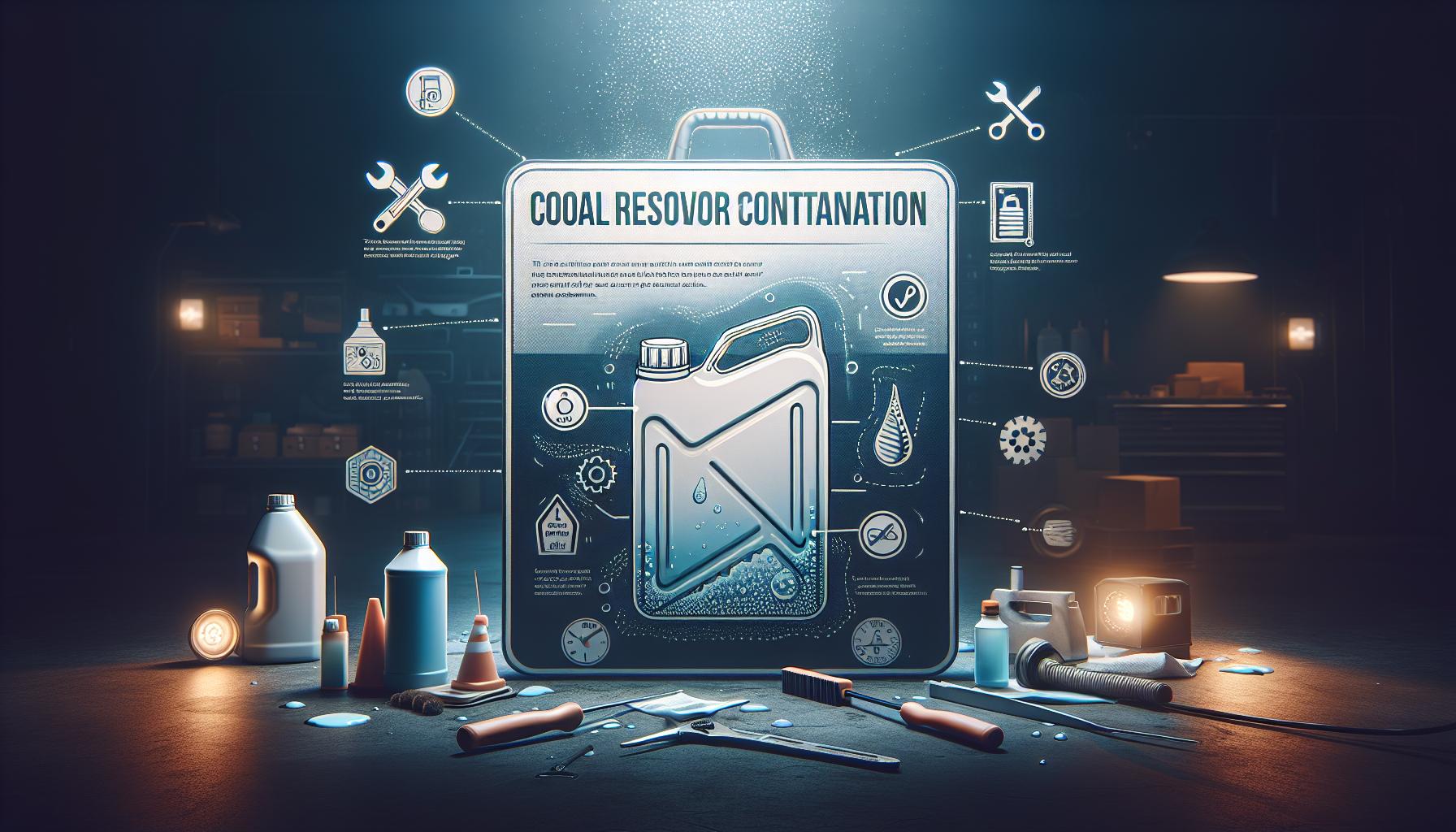
Signs of Coolant Reservoir Contamination
When it comes to maintaining your vehicle’s cooling system, recognizing the is essential for preventing overheating and ensuring optimal engine performance. Contamination can go unnoticed until it manifests through serious issues, making regular inspections critical. One of the first indicators to watch for is a change in the color and clarity of the coolant. If you notice a muddy or rusty appearance, this is a clear sign that your coolant may contain dirt, rust, or other debris, which can compromise its effectiveness.
Another key symptom of contamination is the presence of sludge or solid particles in the coolant reservoir. This buildup can restrict coolant flow, leading to inefficient cooling and potentially causing engine overheating. If you find any residue at the bottom of the reservoir or the coolant appears thick and gooey, it’s time to take action. Additionally, pay close attention to any unusual odors emanating from the reservoir; a burned or acrid smell can indicate overheating issues tied to degraded coolant.
Finally, keep an eye on your engine temperature gauge. If you observe rising temperatures while driving, even on cooler days or after a recent coolant change, this could signal that contaminants are impeding the coolant’s ability to manage engine heat effectively. Addressing these signs early not only prolongs the life of your vehicle but also helps avoid costly repairs down the line.
In summary, regular checks for discoloration, sludge buildup, unusual odors, and engine temperature fluctuations are your best defense against coolant reservoir contamination. By staying alert to these warning signs, you’ll be able to maintain a clean and functional cooling system, ultimately protecting your engine from overheating and extending its lifespan.
Step-by-Step Guide to Cleaning Your Coolant Reservoir
To ensure your vehicle’s cooling system operates at peak efficiency, regular cleaning of the coolant reservoir is essential. A pristine reservoir not only helps maintain optimal coolant flow but also protects your engine from the dangers of overheating. Here’s a straightforward guide to effectively clean your coolant reservoir, enabling you to tackle this task like a pro.
First, gather your supplies: you’ll need a new bottle of coolant, a funnel, distilled water, a soft brush or sponge, and a cleaning agent such as vinegar or a specialized cooling system cleaner. Begin by ensuring that your engine is completely cool to avoid burns or accidents. Carefully remove the coolant reservoir cap and inspect the reservoir for any buildup of sludge or residue. Use a soft brush or sponge dipped in your cleaning solution to scrub away the grime. Focus on stubborn areas by applying gentle pressure-this technique consistently removes even stubborn stains, ensuring a thorough clean.
Once you’ve scrubbed the reservoir, rinse it thoroughly with distilled water to remove any remaining cleaning solution and loosened debris. It’s essential to completely eliminate any cleaning agents, as these can contaminate your cooling system. After rinsing, inspect the reservoir again; if you notice any persistent contamination, repeat the cleaning process. When satisfied with the cleanliness, refill the reservoir with a properly mixed coolant, ensuring you match the type specified for your vehicle’s cooling system. Using a funnel minimizes spills and helps you achieve a precise refill.
Finally, replace the reservoir cap securely and start your engine, allowing it to run for a few minutes. Monitor the coolant level and check for any leaks. This simple yet effective cleaning regimen not only enhances the performance of your vehicle’s cooling system but also extends the life of your engine. Regular maintenance like this empowers you to prevent overheating issues and keep your vehicle running smoothly.
Best Products for Effective Coolant Cleaning
To effectively clean your coolant reservoir and ensure optimal performance from your vehicle’s cooling system, the products you use make all the difference. Investing in high-quality cleaning agents can significantly reduce grime buildup and extend the life of your engine components. Here are some top recommendations that stand out for their effectiveness.
Specialized Cooling System Flush Products
Using a dedicated cooling system flush product can be an excellent way to tackle stubborn contaminants that traditional cleaning methods may miss. Products like Bar’s Leaks Cooling System Cleaner or Prestone Radiator Flush are designed to break down sludge and rust while being safe for all cooling system materials. These are typically added to a warm system, allowed to circulate, and then flushed out for a thorough clean.
Eco-Friendly Cleaning Solutions
For those concerned with environmental impact, consider eco-friendly options like Vinegar or Baking Soda Solutions. These natural cleaning agents effectively cut through deposits and contaminants without harsh chemicals. Simply mix a solution of equal parts vinegar and water, let it sit in the reservoir for about 15 minutes, then scrub with a soft brush. Rinse thoroughly afterward. This method not only cleans well but also poses minimal risk to the environment.
Conditioner and Protectants
After cleaning, maintaining the cleanliness of your coolant reservoir is crucial. A coolant conditioner such as Royal Purple Max-Clean Fuel System Cleaner can help in this regard. Adding this to your cooling system helps prevent deposits from forming again, ensuring a smoother operation and boosting engine performance. Such products can also assist in reducing overheating issues caused by coolant contamination.
When selecting your cleaning products, always ensure they are compatible with the specific type of coolant used in your vehicle. Following the manufacturer’s guidelines will not only optimize your cleaning process but will also safeguard against potential damage to the cooling system. Regular maintenance with these reliable products will empower your vehicle to perform at its best, helping prevent costly repairs and dangerous overheating scenarios down the road.
How to Properly Flush Your Cooling System
Flushing your vehicle’s cooling system is essential to maintain optimal engine temperatures and prevent overheating. This process removes old coolant, contaminants, and any buildup that can impair the efficiency of your cooling system. Proper flushing keeps your engine running smoothly, ensuring longevity and improved performance. By performing a cooling system flush, you’re effectively investing in your vehicle’s health and reliability.
To start, park your vehicle on a flat surface and allow the engine to cool completely. Never attempt to flush the system while the engine is hot, as this can lead to burns or other injuries. Once cooled, locate the radiator drain valve, usually found at the bottom of the radiator. Place a large container underneath to catch the old coolant. Open the drain valve and let the old coolant flow out completely. While the system is draining, it’s a good idea to inspect the coolant for signs of contamination, such as rust or debris, which can indicate corrosion within the system.
Next, close the drain valve and fill the radiator with water. This will act as a solvent to flush away any remaining contaminants. Start the engine and let it run until it reaches operating temperature, which allows the water to circulate through the cooling system. After this, turn off the engine and let it cool again. Once cooled, open the drain valve to exit the water. Repeat this process two or three times to ensure thorough cleaning. Finally, refill the radiator with the appropriate type and mixture of fresh coolant, following the manufacturer’s specifications for your vehicle. Be sure to also fill the reservoir tank to the recommended level.
In addition to enhancing the effectiveness of your cooling system, regular flushing helps prevent buildup, which can lead to engine overheating, poor performance, or costly repairs down the line. By proactively flushing your system, you’re not only maintaining a clean coolant reservoir but also setting your vehicle up for success on the road.
Tips for Preventing Future Coolant Contamination
To maintain a healthy and efficient cooling system, preventing coolant contamination is paramount. Here are some proven strategies that will ensure your coolant reservoir remains clean and your vehicle operates smoothly.
First, always use high-quality coolant that meets your vehicle manufacturer’s specifications. This is pivotal because inferior products may contain additives that can break down rapidly or react negatively with other components in your cooling system, leading to sludge and corrosion. When topping off your reservoir, make sure you are using a mixture specifically designed for your vehicle’s needs; many modern coolants are pre-mixed, which simplifies this process. Additionally, always use distilled water if you’re mixing your coolant to avoid introducing minerals that can build up inside the system.
Regularly inspect your coolant reservoir and connecting hoses for leaks or signs of wear. Any leakage can allow contaminants to enter the system. If you spot a leak, address it immediately, as this not only protects your coolant but also prevents air pockets from forming, which can lead to overheating. It’s also best practice to check coolant levels routinely. Low coolant levels can result in overheating and may prompt contaminants to accumulate more rapidly as the concentration increases.
Finally, consider implementing a maintenance routine that includes occasional flushing and cleaning of the coolant reservoir. This ensures that any residual contaminants are removed before they can cause damage. If you’ve had to replace any parts in the cooling system due to a failure or leak, perform a thorough cleanup to avoid introducing any debris back into the system. By proactively managing your cooling system, you can significantly reduce the risk of contamination and enhance your engine’s performance and longevity.
Understanding Coolant Properties and Types
Understanding the specific properties and types of coolant is essential for maintaining an efficient cooling system, particularly when it comes to preventing overheating in your vehicle. Engine coolant, commonly known as antifreeze, serves multiple crucial functions: it lowers the freezing point and raises the boiling point of the liquid within your cooling system, ensuring optimal engine temperature under varying conditions. This adaptability is vital for avoiding the damaging effects of extreme temperatures, whether it’s a frigid winter morning or a scorching summer day.
Most vehicles utilize two primary types of coolant: ethylene glycol and propylene glycol. Ethylene glycol is the more common choice, known for its effective thermal properties. However, propylene glycol is often favored for its non-toxic nature, making it a safer option for environments where accidental spills could be harmful, such as around pets or wildlife. Both types are typically mixed with water-often in a 50/50 ratio-to achieve the desired freezing and boiling point enhancements, but always refer to your owner’s manual for specific recommendations suited to your vehicle’s needs.
Key Properties of Coolant
The choice of coolant not only affects temperature regulation but also impacts corrosion resistance and chemical stability within the cooling system. A quality coolant will contain additives that prevent rust and scale buildup, which can severely disrupt the flow of coolant and lead to overheating. Regularly changing the coolant according to the manufacturer’s guidelines is critical, as neglected coolant can lose its protective properties, resulting in contamination and potential operational failures.
To ensure your reservoir remains clean and your engine runs smoothly, perform routine checks to identify the type of coolant currently in your system. You can quickly determine this by looking at the coolant color-green typically indicates ethylene glycol, while pink or orange usually signals propylene glycol. Armed with this knowledge, you’ll be better prepared to maintain your system and prevent overheating issues that arise from using the wrong coolant type or failing to keep your coolant reservoir free from debris and contaminants. Consistent monitoring and proper maintenance will not only enhance the performance of your vehicle but also extend its lifespan.
Common Misconceptions About Coolant Maintenance
Misunderstanding coolant maintenance can lead to costly repairs or even engine failure, yet many car owners are unaware of some common myths surrounding this critical aspect of vehicle upkeep. One prevalent myth is that coolant never needs to be changed; customers often believe that once it’s in the system, it will remain effective indefinitely. In reality, coolant degrades over time due to heat and chemical reactions within the engine, losing its essential protective properties. Regularly replacing your coolant, ideally every two to four years or as recommended in your vehicle’s manual, ensures continued protection against corrosion and overheating.
Another misconception is that all coolants are the same and can be used interchangeably. This could not be further from the truth; different vehicles require specific types of coolant formulations. For instance, using an ethylene glycol-based coolant in a system designed for propylene glycol could lead to chemical reactions that corrode engine components. Always check your owner’s manual for the type of coolant your vehicle needs, and make it a habit to stick strictly to those specifications.
Many believe that simply topping off the coolant is an adequate maintenance practice. While maintaining the proper level is essential, it is equally important to check for contamination in the reservoir. Contaminated coolant not only loses effectiveness but can also harbor additives that promote corrosion or sludge buildup. A routine inspection and cleaning of the coolant reservoir will help prevent these issues and prolong the life of your engine.
Finally, there’s the myth that coolant maintenance is too difficult for a DIY enthusiast. Cleaning your coolant reservoir and flushing the system can seem intimidating, but it is entirely manageable with the right guidance and tools. Start by draining the old coolant, inspecting the reservoir for debris, and using an effective cleaning solution designed for this purpose. Remember, maintaining your cooling system is not just about preventing overheating; it’s about ensuring optimal engine performance and longevity. Embrace these practices, and you’ll become more confident in caring for your vehicle.
DIY vs. Professional Cooling System Services
When it comes to maintaining your vehicle’s cooling system, one critical decision revolves around whether to tackle the task yourself or enlist the help of professionals. The choice may seem daunting, but understanding the merits of both approaches can help you make an informed decision that best suits your vehicle’s needs and your mechanical comfort level.
For DIY enthusiasts, cleaning your coolant reservoir can be a straightforward and rewarding project, allowing you to gain hands-on experience with your vehicle’s cooling system. Start by gathering essential tools: a funnel, a cleaning brush, and a suitable cleaning solution designed for coolant systems. Carefully drain the old coolant, which you should dispose of responsibly, and rinse the reservoir with fresh water. Apply the cleaning solution and scrub the interior using circular motions to dislodge any debris or sludge. Rinse thoroughly to remove all residues. Not only does this save on labor costs, but it also empowers you with a deeper understanding of your vehicle’s maintenance.
However, opting for professional services can bring expertise and efficiency, particularly in more complex cases or when significant issues arise. Professionals possess specialized tools and diagnostic equipment that can efficiently identify underlying problems that may not be immediately apparent. When you hand over your vehicle, you benefit from the extensive training and experience of technicians who can ensure that the entire cooling system-from the reservoir to the radiator-is in peak condition. This thorough approach often includes a complete flush of the system, confirming full contamination removal to enhance performance and prevent overheating incidents.
Ultimately, consider your skill level and the time you can commit. If you’re comfortable with hands-on tasks and have the necessary tools, cleaning your coolant reservoir can be achieved effectively at home. For those who prefer assurance and thoroughness, professional services provide peace of mind, knowing that seasoned hands are managing your vehicle’s health. Regardless of the path you choose, maintaining a clean coolant reservoir is vital for preventing dreaded overheating and ensuring the longevity of your engine.
Troubleshooting Cooling System Issues
Identifying and solving cooling system issues can be the difference between smooth driving and an overheated vehicle. One of the most common problems stems from a contaminated coolant reservoir, which can lead to blockages and inefficient heat transfer. If you notice your engine temperature gauge creeping too high, you may be dealing with underlying complications in your cooling system. Don’t wait until it becomes a grave issue-being proactive will save you time and potential repair costs.
First, check for any signs of coolant leaks. Visual indicators include puddles of bright green, orange, or pink fluid beneath your vehicle. These leaks can originate from hoses, the radiator, or the reservoir itself. If you locate a leak, inspect the affected area for deteriorated hoses or connections that may need replacement. Additionally, if your reservoir appears discolored or has debris floating in it, these contaminants can obstruct water flow, warranting immediate cleaning or replacement.
Next, consider testing the coolant itself. Your coolant should maintain a precise mix of antifreeze and water, typically a 50/50 ratio. An imbalance can lead to freezing in winter or overheating in summer. Use a hydrometer or coolant testing strip, easily found at auto parts stores, to gauge your coolant’s effectiveness. If the test reveals that your coolant has lost its properties, perform a full flush of the system, replacing it with a high-quality coolant suited to your vehicle’s specifications. This step is crucial for ensuring proper thermal regulation.
Lastly, pay attention to unusual sounds during operation, such as gurgling or boiling noises. These sounds may indicate air pockets in the cooling system, leading to a drop in coolant pressure. To eliminate air pockets, conduct a system bleed procedure, often recommended after refilling the coolant. Open the bleed valve on the highest point of your cooling system, allowing air to escape until a steady stream of coolant emerges. This process ensures that your system operates at optimal efficiency.
By staying vigilant and addressing these common issues, you can maintain a clean coolant reservoir and a well-functioning cooling system, ultimately preventing costly overheating scenarios. Always prioritize preventive maintenance to keep your vehicle in top condition for years to come.
Safety Precautions When Handling Coolant
Handling coolant requires caution and awareness, as antifreeze can be hazardous to both your health and the environment. One of the first rules of thumb is to wear proper protective equipment. Always don safety goggles and rubber gloves before starting any maintenance on your vehicle’s cooling system. This precaution protects your eyes and skin from harmful chemicals and potential burns, especially if the engine has not completely cooled down. Coolant can reach high temperatures and contains toxic chemicals that can cause serious health issues.
When working on your coolant reservoir, take the necessary steps to prevent spills and leaks. Ensure your vehicle is parked on a flat surface to avoid any accidental slippage or overflow. Open the coolant reservoir cap slowly, as pressure can build up and result in hot coolant spraying out, which can be dangerous. To relieve pressure, wait until the engine has cooled completely, or use a rag when opening the cap to shield yourself from any unexpected fluid release.
After completing your task, dispose of any old or contaminated coolant properly. Do not pour it down the drain or into the soil, as this can leach harmful chemicals into groundwater. Most auto parts stores and waste management facilities offer recycling programs for used coolant. As a responsible vehicle owner, ensure that coolant is stored securely, away from pets and children, as it has a sweet taste that can be enticing but is highly toxic.
Finally, stay informed about any specific safety guidelines or manufacturer recommendations pertaining to the type of coolant your vehicle uses. For instance, some coolants are designed for specific engine types and may require distinctive handling procedures. Following these guidelines will ensure not only your safety but also the longevity and efficiency of your vehicle’s cooling system.
When to Seek Professional Help for Overheating
If your vehicle is experiencing overheating issues, knowing when to seek professional help can be crucial in preventing serious engine damage. Many motorists mistakenly believe they can troubleshoot overheating on their own, but the reality is that several underlying problems could be at play, often requiring specialized tools and knowledge to diagnose accurately.
The first indicator that it’s time to consult a professional is persistent overheating despite attempts at DIY fixes, such as cleaning the coolant reservoir or topping off fluids. If your engine temperature gauge continually rises into the danger zone while driving, or if you’re seeing steam from under the hood, do not ignore these warnings. Ignoring early signs can lead to catastrophic engine failure, making a seemingly small problem into an expensive repair down the road.
Additionally, if you notice a significant drop in coolant levels without visible leaks, or if the dashboard indicates a coolant system fault, it’s a strong sign of a more serious issue like a blown head gasket or a malfunctioning water pump. In these scenarios, professional intervention is crucial. Professionals possess the diagnostic equipment necessary to identify problems that may not be visible to the untrained eye, ensuring a thorough examination of your vehicle’s cooling system, including the radiator, hoses, and thermostat.
Finally, if you feel uncomfortable or lack the tools to perform a deeper diagnosis, don’t hesitate to reach out. The cooling system is vital for your engine’s health, and neglecting professional support can lead to further complications. Protect your investment by addressing overheating issues promptly with the expertise that professionals can provide, guaranteeing both your safety and your vehicle’s performance.
Key Takeaways
To keep your vehicle operating smoothly and prevent overheating, regularly checking and cleaning your coolant reservoir is crucial. Remember, staying proactive with maintenance ensures a longer engine life and better performance. Don’t let simple tasks delay your journey; start checking your coolant levels today!
For further tips on maintaining your vehicle, check out our guides on “Cooling System Maintenance” and “Top Engine Care Tips.” If you’re looking for products to enhance your vehicle’s performance, visit our homepage for trusted recommendations.
Have questions or want to share your experiences? Comment below or connect with us on social media. Your insights could help fellow drivers make informed decisions. Stay engaged with our community and keep your ride running clean and cool!
Get our latest guides, news, and insights highlighted in your Google Search & AI Overviews.