


Hand cleaning a rug is not just about aesthetics; it’s a crucial step in maintaining its longevity and your home’s hygiene. Did you know that regular cleaning can significantly reduce allergens and extend the life of your valuable textiles? In this guide, we’ll explore how long it typically takes to hand clean a rug, along with tips to maximize efficiency and effectiveness.
Many people underestimate the time and effort involved in properly cleaning a rug, often leading to rushed jobs that can cause damage. Whether you’re dealing with a cherished heirloom or a modern synthetic design, understanding the cleaning process will empower you to tackle stains confidently and restore your rug’s beauty.
As we delve deeper into this topic, you will gain insights on how to efficiently manage your time while ensuring optimal results. Delve in to discover practical techniques that will help you revive your rugs and keep them looking their best for years to come.
How Long Does It Take to Clean a Rug by Hand?

Cleaning a rug by hand can be a rewarding process, not only restoring its beauty but also extending its lifespan. However, the time it takes to clean a rug varies significantly based on several factors, including the size, material, and degree of soiling. Generally, expect to invest anywhere from 30 minutes to several hours in the process. A small, lightly soiled synthetic rug may take just about 30 minutes to clean, while larger, more delicate rugs like Persian or Oriental ones could take several hours, especially if they require detailed attention or specialized treatments.
Several key factors influence the cleaning duration. First, the rug’s material matters greatly; wool, silk, and certain synthetics may demand more care and technique than others. Second, how dirty the rug is can significantly affect cleaning time. For instance, a rug with ground-in dirt or stubborn stains will require extra time for pre-treatment and scrubbing. Moreover, drying time must be considered; thicker rugs can take longer to dry thoroughly, potentially extending the total time from start to finish.
To optimize efficiency, gather all necessary tools and cleaning solutions before starting. This preparation can streamline your process, allowing you to work systematically through each stage of the cleaning. Keep in mind that while it may take time, the results of hand cleaning can substantially enhance the appearance and longevity of your rug.
Essential Tools for Effective Rug Cleaning

Cleaning a rug by hand is an art that combines the right tools with technique and patience. Using effective tools can transform this chore into a satisfying and efficient task, ensuring your rugs are cleaned thoroughly and preserved for years. Here’s what you need to equip yourself for the job.
Begin with high-quality cleaning solutions. Depending on your rug’s material-whether wool, silk, or synthetic-the cleaner you choose matters immensely. Look for pH-balanced, eco-friendly products that won’t harm the fibers or colors of your rug. An excellent option is a gentle carpet shampoo specifically designed for the materials you’re cleaning.
Next, invest in a good brush. A soft-bristle brush is ideal for delicate fabrics like silk and wool, allowing you to gently lift dirt without damaging the fibers. For more durable rugs, use a stiffer-bristle brush to scrub away embedded dirt effectively. Remember, the right brush can make a significant difference in dirt removal efficiency.
Additionally, a vacuum cleaner with a hose attachment is essential. Before you start cleaning, thoroughly vacuum the rug to remove loose dirt and debris. This step prevents rubbing dirt deeper into the fibers during the cleaning process. Regular vacuuming can significantly lengthen the time between deep cleanings as well.
Lastly, don’t overlook the importance of drying tools. A fan or a dehumidifier can help speed up the drying process after cleaning, especially for thicker rugs that absorb more moisture. Ensuring your rug dries completely prevents mold and mildew growth, prolonging its life and keeping it looking fresh.
With these essential tools in your cleaning arsenal, you can tackle rug cleaning with confidence and achieve professional results right at home. Remember, preparation and the correct use of tools are the keys to a successful and efficient cleaning process.
Step-by-Step Guide to Hand Cleaning Rugs
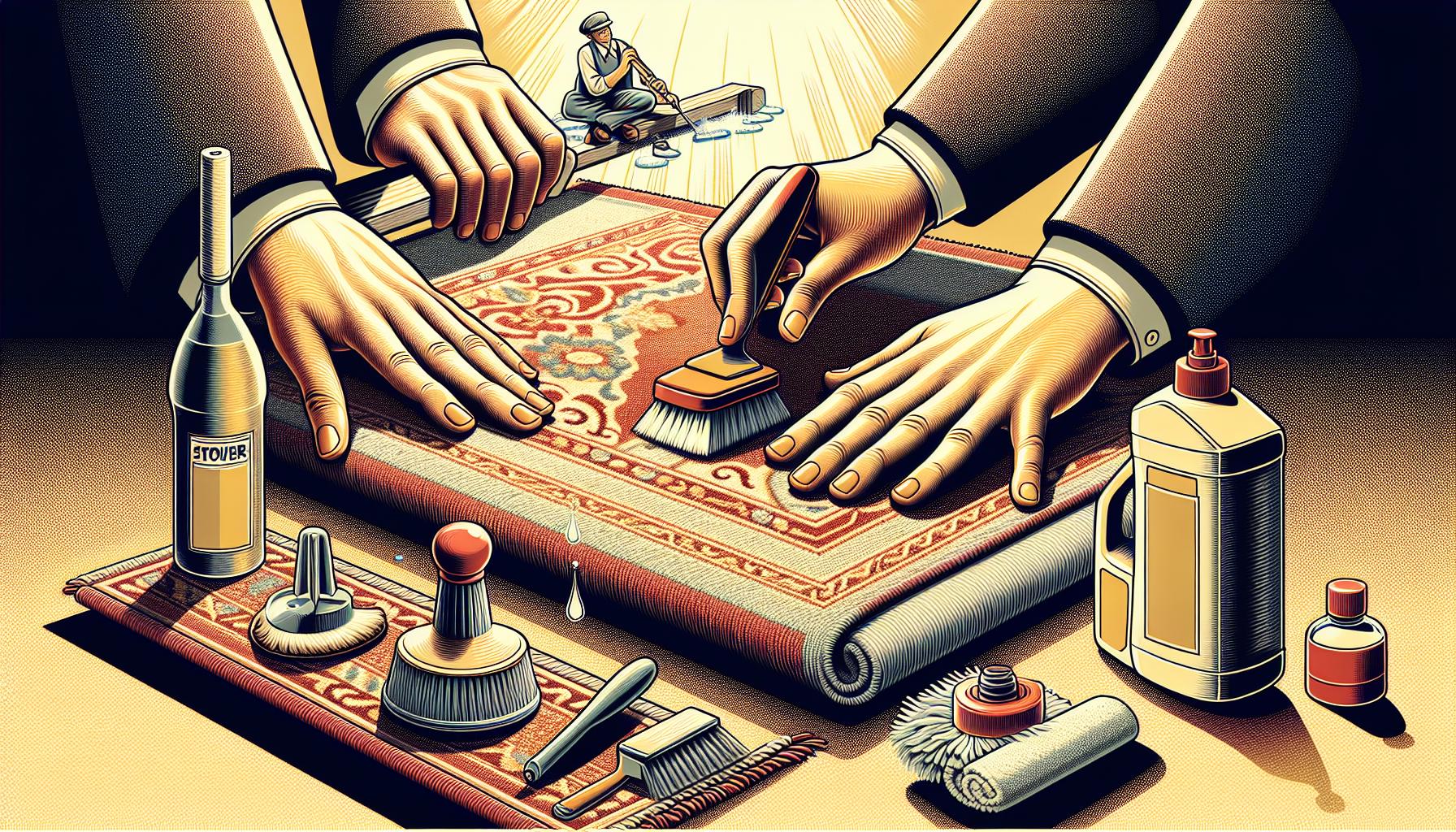
Cleaning your rug by hand can seem daunting, but with a structured approach, you can achieve impressive results. Start by identifying the type of rug you have, as this will influence both the cleaning method and the time required for cleaning. Natural fibers like wool or silk require gentler care compared to synthetic materials. Understanding your rug’s fabric ensures that your cleaning efforts are effective and safe.
Begin the process by vacuuming the rug thoroughly to remove surface dirt and debris. Make sure to use a vacuum with a hose attachment to get into the corners and edges effectively. After vacuuming, prepare your cleaning solution. For a standard solution, mix a few drops of mild dish soap with lukewarm water in a bucket. For heavily soiled rugs, consider using a specialized carpet cleaner that is appropriate for your rug type. Always test the solution on a small, inconspicuous area to ensure the colors do not bleed.
Next, grab your soft-bristle brush. Dip it into the cleaning solution and start scrubbing in gentle, circular motions. Focus on small sections at a time, ensuring that you don’t saturate the rug entirely, which could lead to longer drying times. After scrubbing, use a clean sponge or cloth dampened with plain water to rinse the area, removing any soap residue. Follow this process around the entire rug, allowing it to work its magic on stains while treating your fibers gently.
Once you’ve cleaned the entire rug, it’s time to dry it properly. Avoid direct sunlight, which can fade colors; instead, place it in a well-ventilated area. If possible, utilize a fan to speed up the process. Depending on the thickness and material of your rug, drying can take anywhere from a few hours to a full day. When fully dry, vacuum the rug again to fluff the fibers and restore its texture. By following these steps, you can hand-clean your rug effectively, restoring its beauty without the need for professional help.
Time Estimates for Different Rug Materials
When it comes to hand cleaning rugs, the material plays a crucial role in determining both the time required and the method used. Various materials-like synthetic fibers, wool, and silk-each have their own characteristics and cleaning needs, impacting the total cleaning duration significantly.
Synthetic Rugs: Cleaning synthetic rugs, which are often made from materials like nylon or polyester, is relatively quick and straightforward. You can expect to spend anywhere from 30 minutes to 1 hour for a thorough cleaning. These materials are resilient and can withstand more vigorous scrubbing, making them easier to remove dirt and stains.
Wool Rugs: For wool rugs, the cleaning process will take a bit longer, typically ranging from 1 to 2 hours. Wool fibers require a gentler approach to avoid damage. Using a softer brush and mild cleaning solutions is essential for maintaining the integrity of the fibers. Additionally, wool rugs may need more rinsing to avoid residue, adding to the overall time.
Silk Rugs: Silk rugs, known for their delicate nature, require the utmost care. Expect to spend approximately 2 to 4 hours cleaning one. Due to their fragile fibers, these rugs need gentle handling, mild detergents, and careful rinsing to prevent water damage or color bleeding. It’s essential to be meticulous with your technique, applying only light pressure during scrubbing.
Cotton and Jute Rugs: Cotton rugs can usually be cleaned in about 1 hour, while jute rugs, which are more absorbent, may take longer, around 1 to 2 hours. Cotton is typically robust but should avoid excessive water, whereas jute should be cleaned with respect to its natural absorption properties to prevent mildew.
In summary, adapting your cleaning approach based on the rug material not only ensures effective cleaning but also protects your investment by prolonging the life of your rugs.
Common Challenges in Hand Cleaning Rugs
Cleaning rugs by hand can be a fulfilling task, but it also presents a variety of challenges that can complicate the process and prolong the time needed for effective cleaning. One common issue is dealing with intricate patterns and textures. Many rugs, especially those made from wool or silk, feature delicate designs where dirt may embed deep into the fibers. This requires meticulous attention and patience to ensure the entire area is cleaned without damaging the rug.
Another frequent challenge is the type of stains encountered during cleaning. From food and drink spills to pet accidents and muddy footprints, not all stains respond well to the same cleaning solutions. For instance, grease stains often require a different approach than water-based stains, such as using a mild degreaser or a mixture of baking soda and vinegar. Additionally, if a stain has set for too long, it may become more difficult to remove, leading to frustration and an extended cleaning process.
Water damage is another pressing concern, particularly with natural fiber rugs like jute and silk. Excess moisture can lead to mold growth, which negates all your hard work. To avoid this, it’s crucial to control the amount of water used during washing and ensure proper drying techniques are followed. Employing methods like the use of a wet/dry vacuum can help extract excess moisture, significantly reducing drying time and minimizing risks.
Finally, pet hair can be a pervasive challenge for many rug owners. Removing embedded hairs can be tedious and time-consuming. It’s effective to start with a thorough vacuuming, but secondary methods such as using a rubber glove or a pet hair removal brush can provide that extra lift needed to clear away stubborn strands. Tackling these challenges head-on with the right techniques will not only simplify the cleaning process but also lead to stunning results and prolong your rug’s life.
Proven Techniques for Stubborn Stains
For those grappling with stubborn stains on their rugs, knowing the right techniques can be a game-changer. Often, common spills like coffee, wine, or pet accidents can leave behind marks that seem impossible to eradicate. However, with a few proven strategies, you can restore your rug’s pristine look without spending a fortune on cleaning services.
First, assess the type of stain. For organic stains like food or beverages, a simple solution of white vinegar, water, and a few drops of dish soap can work wonders. Combine equal parts vinegar and water in a spray bottle and add the dish soap. Lightly spray the stained area and let it sit for about 5-10 minutes before blotting with a clean cloth. Always work from the outside of the stain inward to prevent spreading.
For grease stains, it’s essential to cut through the oily residue. Use a mixture of baking soda and dish soap to create a paste. Apply the paste directly onto the grease spot, gently rubbing it in with a soft cloth or your fingers. Allow it to sit for approximately 10-15 minutes before vacuuming up the dried residue. This method effectively absorbs and lifts the grease from the fibers of the rug.
Specific Techniques for Tough Stains
Persistent stains may require a more robust approach. Here are some targeted techniques:
- Ink: To tackle ink spills, apply rubbing alcohol on a cotton ball and gently dab the stain, working from the edges inward. Avoid rubbing vigorously, as this can spread the ink further.
- Red Wine: Immediately blot the stain with a clean cloth, then sprinkle salt to absorb excess liquid. After a few minutes, apply a mixture of hydrogen peroxide and dish soap (in a 3:1 ratio) and blot until the stain lifts.
- Pet Stains: Use an enzymatic cleaner specifically designed for pet messes; this will break down the organic material and eliminate odors. Follow the product instructions closely for the best results.
Remember, patience is key when tackling tough stains. If one method doesn’t yield immediate results, don’t hesitate to try a different approach. The goal is to treat stains as early as possible, as letting them sit can lead to more stubborn marks. With these powerful techniques at your disposal, you can confidently take on the challenge and keep your rugs looking beautiful.
Drying and Maintenance Tips for Clean Rugs
Drying your rug properly after cleaning is crucial for maintaining its appearance and longevity. A damp rug can lead to mold and mildew growth, which not only degrades the rug but can also pose health risks. To ensure efficient drying, always start by blotting as much water as possible with clean, dry towels. Press down firmly and rotate the towels frequently; this prevents moisture from settling deep into the fibers, which is essential for quicker drying.
Once you’ve removed excess water, tackle the drying process. If conditions permit, take your rug outdoors on a warm, sunny day. Direct sunlight can significantly speed up drying due to its warming effect and natural antibacterial properties. Lay the rug flat on a clean, dry surface, making sure to avoid any direct contact with damp ground. Turn the rug over after a few hours to prevent any moisture from accumulating on the side that was facing the ground, ensuring even drying.
For indoor drying, position the rug in a well-ventilated area. You can use fans to circulate air around the rug, which helps to evaporate moisture. If possible, elevate the rug by placing it on a drying rack. This promotes airflow underneath, further accelerating the drying process. A dehumidifier can also be an excellent ally in a small or enclosed space, as it will pull moisture from the air and help keep the environment dry.
Once your rug is completely dry, it’s time to perform some maintenance to keep it looking its best. Vacuum the rug thoroughly to restore its fiber structure and remove any loosened dirt. Regular vacuuming is key in preventing debris from embedding deeper into the fibers. Additionally, consider using a carpet protector spray every few months to help shield against future stains and wear. With these drying and maintenance tips, your rug will not only look great but also serve you well for years to come.
Safety Tips for Hand Cleaning Your Rug
When it comes to cleaning rugs by hand, safety should always be a top priority. This not only protects you but also preserves the integrity of your rug. Start by wearing protective gear such as gloves and a dust mask to shield against any dust, allergens, or cleaning chemicals that may be released during the cleaning process. Always ensure that you’re working in a well-ventilated area, especially when using any detergents or solutions. This minimizes the risk of inhaling harmful fumes and allows for a more comfortable cleaning experience.
Choose your cleaning products wisely. Opt for eco-friendly, biodegradable solutions whenever possible, as they are less likely to pose health risks to you or your pets. Before applying any solution, conduct a patch test on a small, inconspicuous area of your rug to ensure that the color or fabric won’t be damaged. Apply the solution using a soft cloth and blotted into the fibers rather than scrubbing aggressively, which can fray or damage your rug.
While cleaning, maintain proper posture to avoid strain or injury. Bend your knees and keep your back straight when working low to the ground, and utilize ergonomic tools like long-handled brushes to lessen the physical burden. Finally, always stay hydrated and take regular breaks to prevent fatigue – after all, a clean rug is not worth risking your well-being for. Following these safety measures will ensure that you can effectively clean your rug while protecting both your health and the longevity of your valuable textiles.
Eco-Friendly Cleaning Solutions You Can Use
When tackling the task of hand-cleaning rugs, opting for eco-friendly cleaning solutions not only protects the environment but also ensures a safe cleaning process, especially in households with children or pets. Many effective and natural ingredients can be found in your kitchen, allowing you to create potent cleaning solutions that don’t compromise on performance.
Effective Natural Ingredients
Utilize a blend of baking soda, white vinegar, and water for a powerful cleaning solution. Here’s how:
- Baking Soda: Sprinkle this on the rug to absorb odors and loosen dirt. It acts as a gentle abrasive that helps remove grime without risking damage to the fibers.
- White Vinegar: Mix one part vinegar with four parts water in a spray bottle. This solution works wonders in breaking down stains and neutralizing odors. The vinegar also disinfects the area, making it safe for pets and children.
- Essential Oils (optional): To add a pleasant fragrance and additional cleaning properties, consider adding a few drops of essential oils like tea tree or lavender to your vinegar and water solution, which also boast natural antibacterial properties.
Application Techniques
Once your solution is prepared, apply it using a soft cloth. Start by blotting the stains gently-never rub aggressively, as this can damage fibers. You can apply the solution using a spray bottle directly onto the affected areas, allowing it to sit for several minutes to penetrate the stain. Follow up by blotting with a cloth dampened in water to remove any residue, repeating as necessary until the stain is fully lifted.
Remember to always conduct a patch test first on a small, inconspicuous area of the rug to ensure that the color or fabric won’t be negatively affected. This step is crucial for maintaining the aesthetic of your rug and avoiding unforeseen damage.
By implementing these eco-friendly cleaning solutions, you not only effectively eliminate dirt and stains but also contribute to a healthier indoor atmosphere. This method respects both your home and the environment while ensuring that you achieve impressive cleaning results, allowing you to take pride in maintaining a clean rug without harsh chemicals.
Preventative Care: Extend Your Rug’s Life
To keep your rugs looking pristine and extend their lifespan, implementing effective preventative care strategies is essential. A rug that’s well-maintained not only enhances your home’s aesthetic appeal but also saves you time and money in the long run by minimizing the need for extensive cleaning or replacements.
Start by positioning your rugs where there’s minimal foot traffic. Places like entryways and busy passages are prone to wear and tear, so consider using runners or mats there instead. Having a good quality pad underneath your rug protects against moisture and dirt, reducing friction and prolonging its life. Additionally, it’s vital to regularly rotate your rugs. Exposure to sunlight from windows can fade colors unevenly, and rotating them every few months ensures even wear and color retention, keeping them vibrant for years.
Regular cleaning is key in preventative maintenance. Vacuuming your rug weekly prevents dirt and debris from becoming ingrained in the fibers. When vacuuming, use a nozzle designed for delicate fabrics to avoid pulling threads or damaging the rug. For a deeper clean, consider spot cleaning as soon as spills occur. Use a mild detergent mixed with water and blot the area gently with a clean cloth. This immediate action minimizes staining and keeps your rug looking fresh.
Lastly, schedule periodic professional cleanings based on usage; yearly for low-traffic areas, and twice a year for high-traffic ones. An expert cleaning service can reach deep into the fibers, removing embedded dirt and allergens that standard upkeep may miss. By being proactive, you maintain the beauty of your rug, turning every room in your home into a welcoming space while ensuring your investment lasts.
When to Call a Professional for Rug Cleaning
Scheduling a professional cleaning for your rug can often be the most effective way to maintain its beauty and longevity. While routine care and spot cleaning are crucial, there are instances where the expertise of a professional can make a significant difference. When dealing with deeply embedded dirt, old stains that resist home cleaning efforts, or specialized fabrics that require delicate treatment, enlisting a professional is not just a convenience-it’s essential.
One critical sign that you should reach out to a professional is the appearance of stubborn stains. If you’ve tried various home remedies without success, such as vinegar or baking soda treatments, and the stain remains, a professional cleaner will have access to advanced techniques and specialized equipment that effectively dissolve even the most challenging stains. They can determine the nature of the stain and the best method for removal without damaging your rug.
Another factor to consider is the type of material your rug is made from. Natural fibers like silk, wool, or cotton may require particular cleaning methods that differ from synthetic materials. Professionals are trained to identify these materials and use cleaning agents and techniques suitable for each type, reducing the risk of shrinkage or color bleeding. For antique or expensive rugs, it’s often best to let an expert handle the cleaning to ensure their value and integrity are preserved.
Additionally, if you notice lingering odors or allergens trapped within your rug, this is a strong indicator that professional intervention is necessary. Standard home cleaning may not adequately address the buildup of dust mites, pet dander, or odors, particularly in high-traffic areas where dirt accumulates more quickly. A deep cleaning service can refresh your rug and improve your indoor air quality-a vital consideration for households with allergies or respiratory issues.
In summary, while regular DIY maintenance is crucial for your rug, don’t hesitate to call in the pros when faced with tough stains, delicate materials, or lingering odors. Investing in professional cleaning not only enhances the aesthetic appeal of your rug but also protects your long-term investment, ensuring that your home remains inviting and healthy.
To Conclude
Now that you know how long it takes to hand clean a rug and have some practical tips at your disposal, it’s time to take action! Don’t let those stains linger any longer. Grab your cleaning supplies and tackle those dirt patches today, knowing that a clean rug will enhance your home’s appearance and comfort. If you’re looking for more insights, check out our articles on “Best Cleaning Techniques for Various Rug Types” and “Essential Tools for Rug Maintenance” to become a true cleaning expert.
For additional guidance or tailored cleaning solutions, consider signing up for our newsletter. You’ll receive expert tips directly to your inbox and be the first to know about the latest cleaning innovations. Have questions or want to share your own cleaning experiences? Leave a comment below! Remember, every action you take now not only improves your rug but also sets the stage for a healthier living space. Don’t wait-start your cleaning journey today and enjoy the results!
Get our latest guides, news, and insights highlighted in your Google Search & AI Overviews.


