


Cleaning cloth diapers effectively is crucial for maintaining your baby’s comfort and health. Did you know that proper cleaning can prevent rashes and odors, ensuring your little one stays fresh and happy? In this guide, we’ll break down simple, actionable steps to achieve stain-free freshness, so you can enjoy peace of mind while using this eco-friendly option.
Many parents feel overwhelmed by the thought of washing cloth diapers, but you don’t need to be an expert to get great results. With the right techniques, you can tackle tough stains and odors without hassle. This comprehensive approach will not only save you time but also enhance your confidence in managing those laundry challenges.
Ready to dive in? Let’s explore these essential cleaning tips that will leave your cloth diapers spotless, ensuring your baby always has a clean and soft layer against their skin. Say goodbye to worries about lingering stains and hello to beautifully fresh cloth diapers!
How to Prepare Cloth Diapers for Washing
Preparing cloth diapers for washing is a critical step to ensure they remain clean, odor-free, and in good condition for long-term use. The first crucial action is to promptly rinse the diapers after use. By doing so, you help prevent stains from setting in, especially if they contain organic matter. Rinsing can be straightforward-simply run them under cold water until the water runs clear. This essential step minimizes the risk of staining, making the washing process much more effective.
Once the initial rinse is complete, it’s vital to gather your supplies for washing. Essential supplies include a high-quality, cloth-diaper-friendly detergent, a mesh laundry bag (to keep everything organized), and possibly a pre-soak solution for those particularly stubborn stains. Before placing diapers in the washing machine, ensure they are turned inside out. This technique is particularly effective, as it allows for a deeper clean, reaching areas that may have trapped moisture or residue.
After organizing your supplies and prepping the diapers, it’s time to load the washing machine. Remember to avoid overloading; giving your diapers enough space allows for proper agitation during the wash cycle. A well-organized load may consist of the main diaper shell, inserts, and any additional items, such as wet bags. Following these preparations will set you up for success, making the washing process smoother and enhancing the lifespan and cleanliness of your cloth diapers.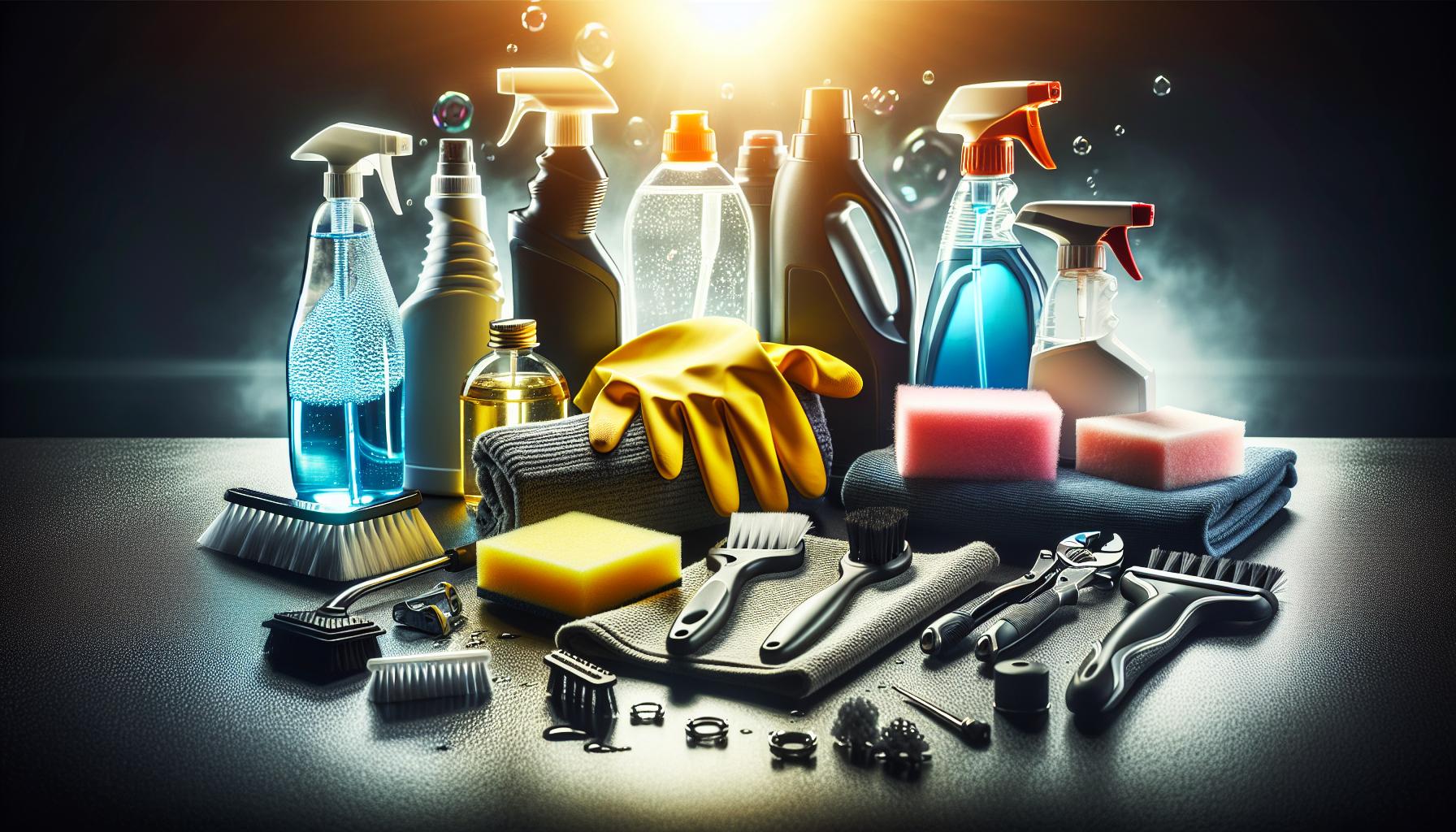
Essential Supplies for Effective Cleaning
To achieve truly effective cleaning of cloth diapers, having the right supplies on hand is essential. Equipping yourself with the proper tools not only streamlines the washing process but also ensures that your diapers are thoroughly cleaned and ready for use again. Start by choosing a high-quality, cloth-diaper-friendly detergent. Opt for a detergent that is free from additives like fragrances, dyes, and softeners, as these can irritate sensitive skin and reduce absorbency. Reading product labels is critical; look for detergents specifically formulated for cloth diaper care, as they penetrate fibers more effectively and combat odors.
Additionally, consider employing a mesh laundry bag to keep your diapers organized during washing. This bag helps prevent missing items and keeps your load sorted, reducing wear and tear on the fabric. For tougher stains, a pre-soak solution can work wonders. Simply add a mix of water and a safe soaking agent to the bag, or use a targeted stain remover designed for sensitive fabrics. This added step ensures that any residual stains don’t become a permanent issue, making the subsequent washing process significantly easier.
Don’t overlook accessories like cloth wipes or wet bags, which are designed to hold soiled items until washing day. Having these in your routine not only helps manage messes but keeps everything neatly contained. You may also want to invest in a quality drying rack or extra clothespins if you prefer air-drying, which is a gentler option that helps maintain the integrity of the fabric. Each of these supplies contributes to a more efficient and effective diaper washing routine, ultimately leading to fresher, cleaner cloth diapers ready for your little one’s use.
Step-by-Step Washing Process Explained
To achieve pristine cleanliness with cloth diapers, following a structured washing process is critical. This method not only ensures effective removal of stains but also prolongs the life of your diapers. Start by gathering your supplies: a high-quality cloth diaper detergent, your mesh laundry bag, and, if needed, a pre-soaking solution.
Begin by making sure that soiled diapers are properly prepared. First, remove any solid waste by shaking or scraping the diaper into the toilet. Next, rinse the diaper in cold water to minimize odor and staining. Place the rinsed diapers directly into a mesh laundry bag; this keeps everything organized and prevents loss in the wash.
Now, it’s time for the washing cycle. Set your washing machine to a cold rinse and spin cycle. This initial rinse helps to wash away residual waste and prevents stains from setting. After that, run a hot wash cycle with your cloth-diaper-friendly detergent. Use the recommended amount on the detergent package, but be cautious not to overuse, as this can lead to build-up and affect absorbency. Make sure to choose a cycle with enough agitation to ensure a thorough clean-this is crucial for effective stain removal.
After the washing cycle is complete, it’s advisable to run an additional rinse cycle on cold. This step ensures that all detergent residues are thoroughly rinsed away, preventing any potential irritation to your baby’s skin. It also helps maintain the fabric’s integrity over time. Once rinsed, check for any persistent stains; if any remain, don’t worry. Simply apply a safe stain remover directly to the affected area, let it sit according to the product instructions, and then conduct another wash.
By adhering to this step-by-step process, you will ensure that your cloth diapers are not only clean but also ready for reuse, supporting both sustainability and your baby’s comfort.
Best Methods to Remove Stains Quickly
To tackle stubborn stains on cloth diapers efficiently, using the right methods can transform your laundry routine and keep your diapers looking fresh. Understanding that the quicker you treat a stain, the easier it will be to remove it is crucial. Let’s dive into proven techniques that consistently yield remarkable results.
Start by using cold water to rinse the stained area as soon as you can. This initial step prevents the stain from setting. After rinsing, select an effective stain treatment specifically tailored for cloth diapers. A mix of baking soda and water can be particularly useful-create a paste and apply it directly onto the stain, gently scrubbing in a circular motion. Let it sit for about 30 minutes before rinsing again with cold water. This technique consistently removes even stubborn stains, helping to restore your diapers to their best condition.
For organic stains like food or breastmilk, consider a natural enzyme-based stain remover. Apply the enzyme solution according to the product instructions, ensuring that it remains in contact with the stain for adequate time to break down the organic matter. Afterward, wash the diaper in your regular cloth-diaper washing routine. This approach, combined with proper washing techniques, guarantees that stains do not stand a chance against your cleaning efforts.
Lastly, sunlight is one of nature’s best stain removers. After washing, hang the diapers out to dry in direct sunlight. The UV rays naturally bleach and disinfect while helping to fade any lingering stains. If you’re tackling more persistent stains, consider repeating the stain removal process a couple of times or applying a small amount of hydrogen peroxide as a pre-treat; just be cautious, as overuse can weaken fabrics over time.
By following these straightforward stain removal techniques, you can effectively keep your cloth diapers in top condition, ensuring your little one’s comfort while promoting an eco-friendly lifestyle.
Drying Techniques for Cloth Diapers
To ensure your cloth diapers remain in optimal condition and provide maximum absorbency, the drying process is just as crucial as washing. Improper drying can lead to issues such as odors, fabric degradation, and decreased effectiveness of the diaper. Here, we’ll cover the best practices for drying your cloth diapers effectively while also preserving their longevity.
One of the most effective methods for drying cloth diapers is using natural sunlight. Not only does sunlight help to disinfect and naturally bleach fabrics, but it also enhances the freshness of the diapers. After washing, simply hang the diapers outside on a clothesline or a drying rack in direct sunlight. Make sure they are evenly spread out to promote airflow, which helps to prevent mildew and odors. Aim for a full day of drying to fully harness the sun’s power; this method can also help to eliminate any lingering stains from the washing process.
If outdoor drying isn’t an option, using a dryer on a medium to low heat setting is an alternative. However, avoid high heat because it can damage the elastic and waterproof layers of diapers, leading to decreased performance. To protect your diapers, you can place dryer balls in the machine to help improve airflow and reduce drying time. Additionally, always refer to each diaper’s care instructions, as different fabrics-such as microfleece, hemp, or cotton-have specific drying requirements.
Lastly, be mindful of how to handle the diapers immediately after drying. Allow them to cool completely before folding or putting them away, as this helps maintain their shape and softness. If you’re concerned about odors, consider using an essential oil spray lightly at this stage-this maintains freshness without compromising the integrity of the fabric. By utilizing these drying techniques, you’ll enjoy clean, ready-to-use cloth diapers that are both functional and comfortable for your little one.
Tips for Preventing Odors and Build-Up
To keep cloth diapers fresh and odor-free, proactive strategies during both use and cleaning are essential. It’s common for users to grapple with unpleasant smells or build-up, but with the right practices, these issues can be effectively mitigated, ensuring a clean and hygienic experience for your baby.
First, consider how you handle soiled diapers immediately after use. Ideally, rinse them in cold water as soon as possible to remove waste and prevent stain setting. You can do this by using a handheld sprayer, a bidet, or simply soaking them in a pail with water. This initial rinse removes a significant amount of odor-causing residue, making the subsequent washing process easier and more effective.
Use Vinegar and Baking Soda
Incorporating household items like vinegar and baking soda into your washing routine can combat odors effectively. Add a cup of vinegar during the rinse cycle; this not only softens the fabric but also acts as a natural deodorizer. Similarly, sprinkling baking soda in the wash helps neutralize odors without the use of harsh chemicals. Be cautious though, as excessive amounts can over-clean the fabric, so moderation is key.
Wash Regularly and Avoid Overloading
Establish a consistent washing schedule every two to three days to prevent build-up and odor. When washing, avoid overloading the machine; doing so can prevent the diapers from agitating properly, leading to inadequate cleaning. Aim for a full but not stuffed load, ensuring that the water and detergent can circulate freely.
Keep the Diaper Area Clean
The storage area for your cloth diapers also plays a crucial role in odor prevention. Ensure that the pail or storage bin is clean and dry. Line it with a breathable wet bag to allow air flow, curbing dampness that leads to musty smells. Take a few minutes every week to wash and air out the wet bag to maintain freshness.
By implementing these strategies-immediate rinsing after use, incorporating vinegar and baking soda, adhering to a regular washing schedule, and maintaining cleanliness in your storage area-you’ll keep your cloth diapers free from unpleasant odors and build-up, ready for your little one’s comfort.
Proper Storage to Maintain Freshness
Keeping cloth diapers fresh is crucial not only for hygiene purposes but also for extending the lifespan of the diapers themselves. Proper storage plays a pivotal role in preventing odors and bacterial growth, ensuring you always have clean, odor-free diapers ready for use. Here’s how to do it effectively.
The first step in maintaining freshness is to choose the right storage container. Opt for a breathable wet bag or a diaper pail with a tight-sealing lid that allows airflow while preventing contamination. A breathable lining, such as a mesh or cotton fabric, minimizes the risk of moisture build-up, which is a breeding ground for bacteria and unpleasant smells. Regularly wash the wet bag or clean the pail to prevent residue accumulation; aim for a wash once a week for optimal results.
When your diapers are soiled but not yet washed, store them in the pail or wet bag without tightly packing them. This is crucial as it allows air circulation, which helps reduce odors. If you notice any lingering smells, sprinkle a small amount of baking soda at the bottom of the pail; it’s an excellent natural deodorizer. Remember to empty and refresh the contents of the pail or wet bag before they start to ferment-this often means laundry every two to three days, depending on your usage.
In addition to choosing the right container and maintaining cleanliness, consider adding an odor-neutralizing agent to keep storage fresh. Options like essential oils (such as lavender or tea tree) can be effective when used sparingly. Simply place a few drops on a cotton ball and toss it into the pail or wet bag. This not only helps mask unpleasant odors but also leaves a pleasant scent that you and your baby will appreciate.
By following these guidelines for proper storage, you’ll maintain the freshness of your cloth diapers, making the washing process easier and ensuring that your baby’s skin remains irritation-free. Regular maintenance and the right storage solutions will empower you to tackle diaper changes with confidence.
Choosing the Right Detergent for Cloth Diapers
Choosing the right detergent for cleaning cloth diapers is pivotal for ensuring they remain fresh, absorbent, and free from irritation for your baby’s sensitive skin. Not all detergents are created equal; in fact, many traditional laundry products can contain additives that may irritate skin or degrade the fibers of the diapers over time. For best results, you need a detergent that effectively removes stains and odors without leaving residue.
When selecting a detergent, look for one that is specifically formulated for cloth diapers. These detergents are usually free from fragrances, brighteners, and enzymes, which can build up and cause unpleasant odors or wear down the fabric. There are several excellent brands on the market, including Charlie’s Soap, Rockin’ Green, and Mini-Soap, which have proven effective among cloth-diapering parents. Always check the package for recommendations on usage amounts, as too much detergent can also lead to buildup issues.
To use the detergent effectively, follow the manufacturer’s instructions but consider adjusting the amount based on your washing machine’s capacity and soil level of the diapers. A good rule of thumb is to use half the recommended amount if you have a high-efficiency (HE) washer, as these machines use less water. For heavily stained diapers, feel free to increase the dosage slightly while ensuring you’re not overloading your machine.
In addition, run a rinse cycle before washing to prevent any solids from binding to the fabric, and wash diapers in hot water-typically between 120°F (49°C) and 140°F (60°C)-to help dissolve stains more effectively. Always remember to run an extra rinse cycle at the end to ensure all detergent is washed away; this not only helps to keep your diapers soft but also prevents any potential build-up or irritation. By meticulously selecting your detergent and adhering to these practices, you will ensure your cloth diapers stay clean, fresh, and ready for use.
How to Spot Clean Between Washes
To keep cloth diapers fresh and stain-free between washes, implementing effective spot cleaning techniques is essential. Accidents happen, and immediate action can significantly reduce staining and odor issues. For this task, you will need a few basic supplies: warm water, a gentle cloth diaper-safe stain remover or a homemade solution made from equal parts white vinegar and water, and a soft cloth or towel.
Start by gently rinsing the soiled area with warm water. Rinse the fabric under running water to remove as much of the waste as possible. This initial rinse is crucial, as it helps prevent stains from setting. Next, apply your stain remover directly onto the affected area. Use a soft cloth to gently dab the solution onto the stain, taking care not to rub too harshly, which can damage the fabric fibers. For stubborn stains, allow the solution to sit for 5-10 minutes before rinsing again with warm water.
In cases where a diaper has really stubborn stains or odors, consider creating a paste of baking soda and water. Apply this paste to the affected area, gently working it into the fabric in circular motions. Let it sit for about 15 minutes to allow the baking soda to absorb odors and lift stains. Rinse thoroughly with warm water to ensure all residues are removed.
After successfully spot cleaning, hang the diaper to air dry until the next laundry day. This not only helps to quickly disinfect the area but also prevents any remaining moisture from adding to potential odors. Keeping up with these simple, effective spot cleaning techniques will go a long way in maintaining your cloth diapers’ cleanliness and ensuring they remain in top condition for your baby’s delicate skin. By incorporating these practices into your routine, you’ll keep stains at bay and make your full washing days more manageable and efficient.
Understanding Water Temperature’s Impact
Understanding the right water temperature for washing cloth diapers can dramatically affect their cleanliness and longevity. Lower water temperatures might save energy, but they often fail to eliminate bacteria, odors, and stubborn stains that are all too common with cloth diapering. Generally, a hot wash-around 130°F (54°C)-is optimal for removing heavy soiling, while cold water can be effective for light cleaning and rinsing prior to a deeper wash.
When washing cloth diapers, the initial step should typically involve a cold rinse to remove excess waste. Following this, the main wash should be conducted in hot water. Hot water effectively activates the detergent and breaks down organic matter, making it a crucial part of your cleaning routine. The combination of heat and a suitable detergent works together to create a cleaning solution that penetrates the fabric, lifting away stains and sanitizing the material. It’s a well-established fact that hot water can consistently cut through buildup better than cooler temperatures.
For those concerned about energy consumption, using cold water for the pre-rinse stage is efficient, leading to reduced water waste. After the initial rinse, however, resist the temptation to lower the temperature for the main wash. Using hot water not only helps in maintaining the integrity of the fabric but also in preventing odors from lingering. Additionally, certain stains, particularly those involving urine, feces, or breast milk, are best dealt with when heat is applied, as this aids in dissolving the substances more effectively.
Ultimately, understanding the impact of water temperature on cloth diaper care can transform your cleaning results. Stick with a two-step process: start with a cold rinse followed by a hot wash to ensure maximum cleanliness and odor control. This method not only keeps your diapers fresh but also extends their lifespan, ensuring they serve you well throughout the diapering journey.
Addressing Common Problems and Solutions
When it comes to maintaining cloth diapers, encountering common problems is part of the journey. However, with the right strategies in place, these challenges can be effortlessly overcome. Stains are often the most concerning issue for parents, but rest assured, there are effective solutions to tackle them. For example, applying a mixture of baking soda and water directly to the stained area before washing can break down organic matter and lift stains effectively. Additionally, utilizing a stain remover specifically designed for cloth diapers can yield impressive results, especially when treated promptly.
Another concern is odor retention, which can arise if diapers are not washed properly or the wrong detergent is used. To combat this, ensure that you are using a detergent free of fragrances and softeners, as these can contribute to buildup. Incorporate regular strip washes-a thorough cleaning process using a higher dose of detergent in hot water-to refresh your cloth diapers and eliminate any lingering smells. It’s also essential to dry your diapers properly, as dampness can lead to mildew. A combination of sun-drying and air drying in a well-ventilated area can help reduce odors naturally.
For those struggling with detergent buildup, which can also contribute to leaks, a simple solution is to rinse your diapers multiple times after washing. A good rule of thumb is to run a second rinse cycle to ensure all detergent is washed out. If you suspect build-up, consider using a vinegar rinse as your final wash-not only does this help to break down residue, but it also leaves the fabric soft.
Lastly, be aware that excessive lint or pilling can occur with frequent washing. To prevent this, always wash diapers in a gentle cycle and avoid fabric softeners. Instead, use a laundry bag designed for delicates when washing to minimize friction. By following these straightforward solutions and being proactive, you can maintain the freshness and longevity of your cloth diapers, ensuring they remain an effective choice for diapering your little one.
Maintaining Your Cloth Diapers Long-Term
Maintaining cloth diapers long-term is essential for their longevity and efficacy. Many parents overlook the importance of the washing and storage process, leading to issues like odor retention and fabric wear. It’s crucial to establish a consistent routine that facilitates not only cleanliness but also the structural integrity of your diapers.
To start, regularly assess your washing routine. Aim for a wash every two to three days to prevent stains from setting in. Use a high-quality, biodegradable detergent specifically formulated for cloth diapers. Avoid using fabric softeners, as these can lead to buildup and reduce absorbency over time. Remember to rinse your diapers thoroughly; a double rinse cycle is often the best practice to ensure all detergent is removed. This not only enhances the cleanliness of your diapers but also keeps fabric soft without harsh residues.
When it comes to drying, the method is just as important. Line drying in the sun is ideal, as UV rays can naturally sanitize your diapers and help remove any lingering odors. If the weather doesn’t permit outdoor drying, a gentle tumble drying cycle can be effective, but be cautious not to overdry, as heat can degrade elastic and waterproof materials. After drying, always inspect your diapers for signs of wear, such as fraying or thinning fabric, to avoid leaks during use.
Lastly, proper storage is a game-changer. Store your clean, dry diapers in a breathable container, avoiding plastic bags that promote moisture build-up. If you notice any lingering odors after washing or drying, perform a strip wash with a mixture of baking soda and vinegar to refresh the fabric and eliminate any stubborn buildup. By taking these proactive steps, you can ensure your cloth diapers remain in excellent condition, providing a sustainable and economical option for your family’s diapering needs.
Insights and Conclusions
Congratulations on taking the first step toward effective cloth diaper cleaning! Now that you know the simple steps for achieving stain-free freshness, it’s time to put your skills to the test. Remember, consistency is key-regular maintenance not only keeps your cloth diapers in top shape but also ensures a healthier environment for your little one. If you have lingering questions or need tailored advice, don’t hesitate to explore our additional resources on fabric care and eco-friendly cleaning techniques.
Ready to dive deeper? Check out our guides on removing tough stains from baby clothes and the best eco-friendly detergents available. Don’t forget to sign up for our newsletter for more expert tips right in your inbox. Your journey to becoming a cloth diaper pro starts now-share your results and questions in the comments below, and join our community dedicated to sustainable parenting!
Get our latest guides, news, and insights highlighted in your Google Search & AI Overviews.

