In a world increasingly focused on sustainability, beeswax wraps stand out as a practical alternative to single-use plastics. Not only do they help preserve the freshness of your food, but they also showcase an eco-friendly lifestyle. However, maintaining these versatile kitchen essentials can seem daunting. Understanding how to properly care for your beeswax wraps is essential to ensure their longevity and effectiveness.
Cleaning beeswax wraps is straightforward and critical for keeping your kitchen environment sanitary. Neglecting their care can lead to unwanted odors and bacteria buildup, which can compromise your food safety. By mastering easy cleaning techniques, you can ensure these wraps continue to serve you well while contributing to a greener planet.
In this guide, we will explore simple, effective methods to keep your beeswax wraps clean and functional, empowering you to embrace a sustainable kitchen with confidence. Let’s dive into the best practices for maintaining your wraps so you can enjoy their benefits for years to come!
The Importance of Beeswax Wraps in Sustainable Living
Beeswax wraps are revolutionizing the way we approach food storage, providing an eco-friendly alternative to plastic wraps and containers. These reusable wraps not only help reduce single-use plastic waste but also preserve the freshness of food naturally. Made from organic cotton infused with beeswax, jojoba oil, and tree resin, they are deeply effective at protecting your food from contamination while allowing it to breathe, which is essential for maintaining optimal freshness. By choosing beeswax wraps, you’re actively contributing to a more sustainable kitchen and environment, reducing your carbon footprint while enjoying the benefits of natural materials.
Caring for beeswax wraps is straightforward, ensuring they last for an extended period with the right maintenance. To clean them, simply use cold water and mild soap, avoiding hot water that could melt the wax and damage the wrap. With a bit of attention to proper cleaning techniques, you can ensure these wraps serve you well for up to a year or more. When they do eventually wear out, consider upcycling them into craft projects or using them as compost, which continues the cycle of sustainability. By incorporating beeswax wraps into your kitchen routine and maintaining them diligently, you are making a conscious choice for a healthier planet while enjoying the fruits of your labor in a nourishing way.
In addition to reducing waste, beeswax wraps can enhance your kitchen experience. You can easily mold them to fit various food items from fruits to vegetables or cover bowls and plates, making them a versatile kitchen tool. Their adaptability not only maximizes food preservation but also inspires creativity in meal storage. Consider them as a beautiful addition to your sustainable lifestyle-combining practicality with an eco-conscious mindset that modern living demands.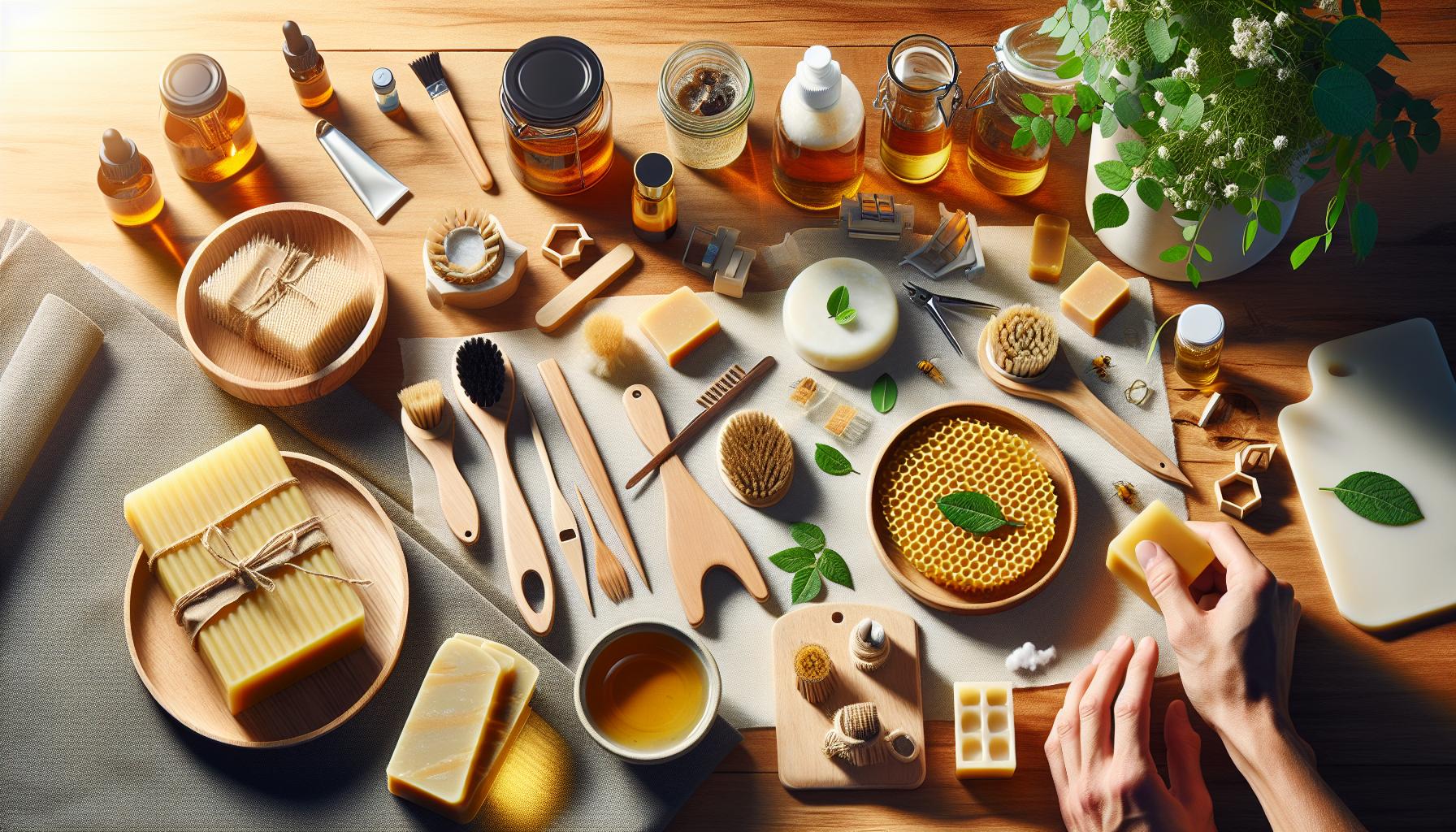
How to Clean Your Beeswax Wraps Effectively
To keep your beeswax wraps in top condition, effective cleaning is essential. These versatile and eco-friendly kitchen aids thrive on gentle care that preserves their quality for extended use. Begin by rinsing your wraps in cold water immediately after use to prevent any food residues from setting in. It’s important to remember that hot water can melt the beeswax, diminishing the wrap’s effectiveness.
When you’re ready to wash, use a mild dish soap or a gentle, fragrance-free soap as harsh chemicals can break down the wax and oils. Create a gentle wash by mixing a few drops of soap with cold water in a bowl. Use a soft sponge or cloth to wipe the wrap down, applying the soapy solution in a circular motion to remove any stains or residues. Focus particularly on any sticky or greasy spots, as this technique consistently removes even stubborn stains.
Once clean, rinse under the cold water again to ensure all soap is washed away. Gently shake off excess water and hang your wraps to air dry; avoid wringing them out to maintain their structure and integrity. Place them in a well-ventilated area away from direct sunlight, as UV rays can degrade the beeswax over time. Following these steps will ensure your beeswax wraps remain usable for months, if not years, making them a staple in your sustainable kitchen.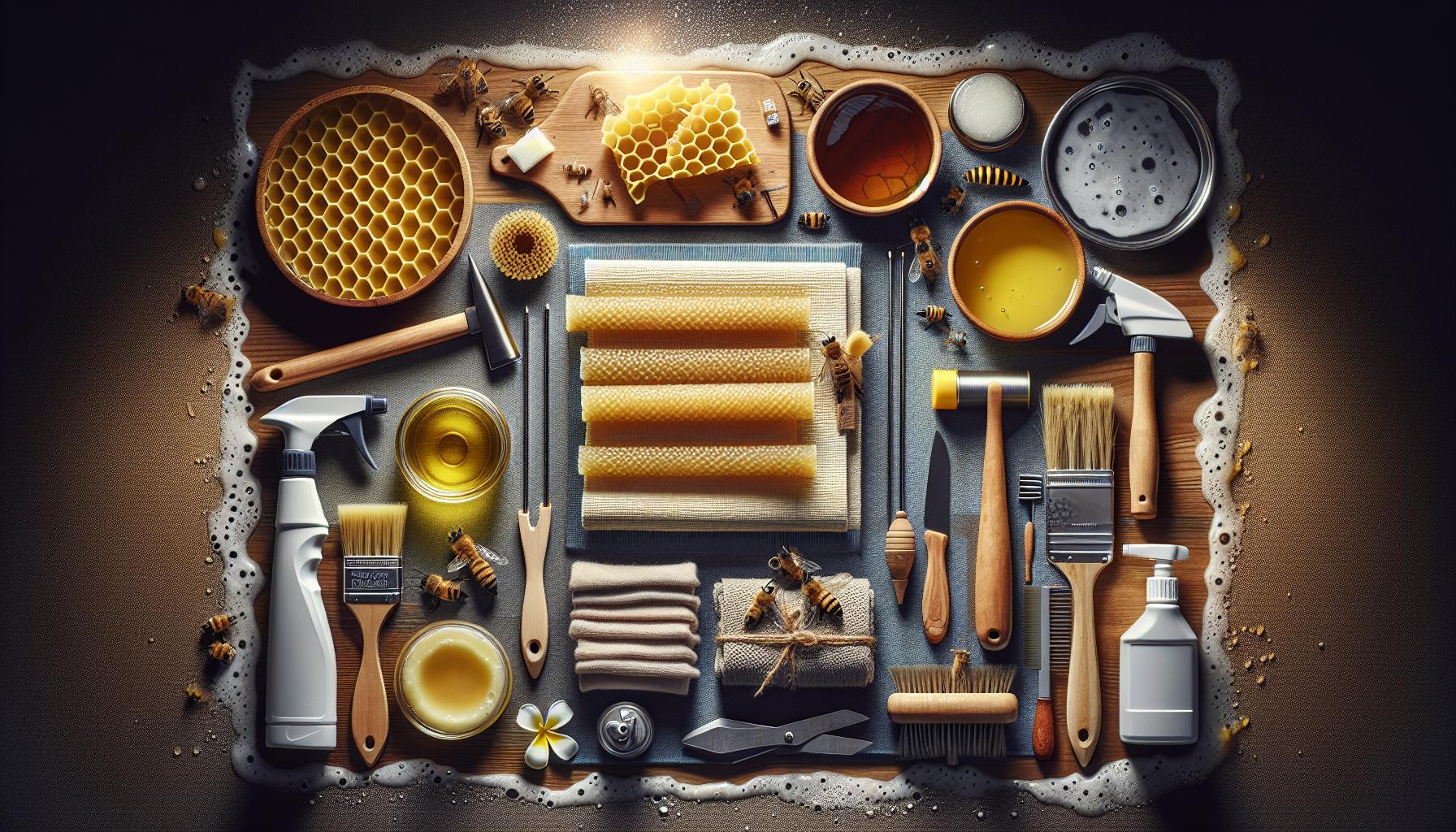
Step-by-Step Guide to Washing Beeswax Wraps
To maintain the longevity and effectiveness of your beeswax wraps, a proper washing routine is essential. It ensures that these sustainable alternatives to plastic remain clean and functional, ready for reuse in your kitchen. Let’s delve into the step-by-step method of washing your beeswax wraps effectively.
Start by rinsing your wraps immediately after use with cold water. This quick action prevents food residues from setting in, making the subsequent washing process much easier. Remember, never use hot water as it can compromise the beeswax coating. After rinsing, prepare a gentle cleaning solution by mixing a few drops of a mild dish soap, preferably fragrance-free, with cold water in a bowl or basin. Harsh chemicals can adversely affect the wax and oils, so stick to something gentle.
Now it’s time for the cleaning process. Take a soft sponge or cloth and dip it into your soapy mixture. Using circular motions, gently wipe down the surface of the wrap. Pay special attention to any particularly sticky or greasy spots-this technique consistently removes even the most stubborn stains. Once you’ve thoroughly cleaned the wrap, rinse it again under cold water to ensure all soap residues are washed away.
After rinsing, let the wrap air dry. To do this, gently shake off any excess water and hang the wraps in a well-ventilated area, keeping them away from direct sunlight, which can degrade the beeswax over time. Avoid wringing out the wraps to retain their structure and integrity. By following these steps, you can extend the life of your beeswax wraps, making them a durable and environmentally friendly choice in your kitchen.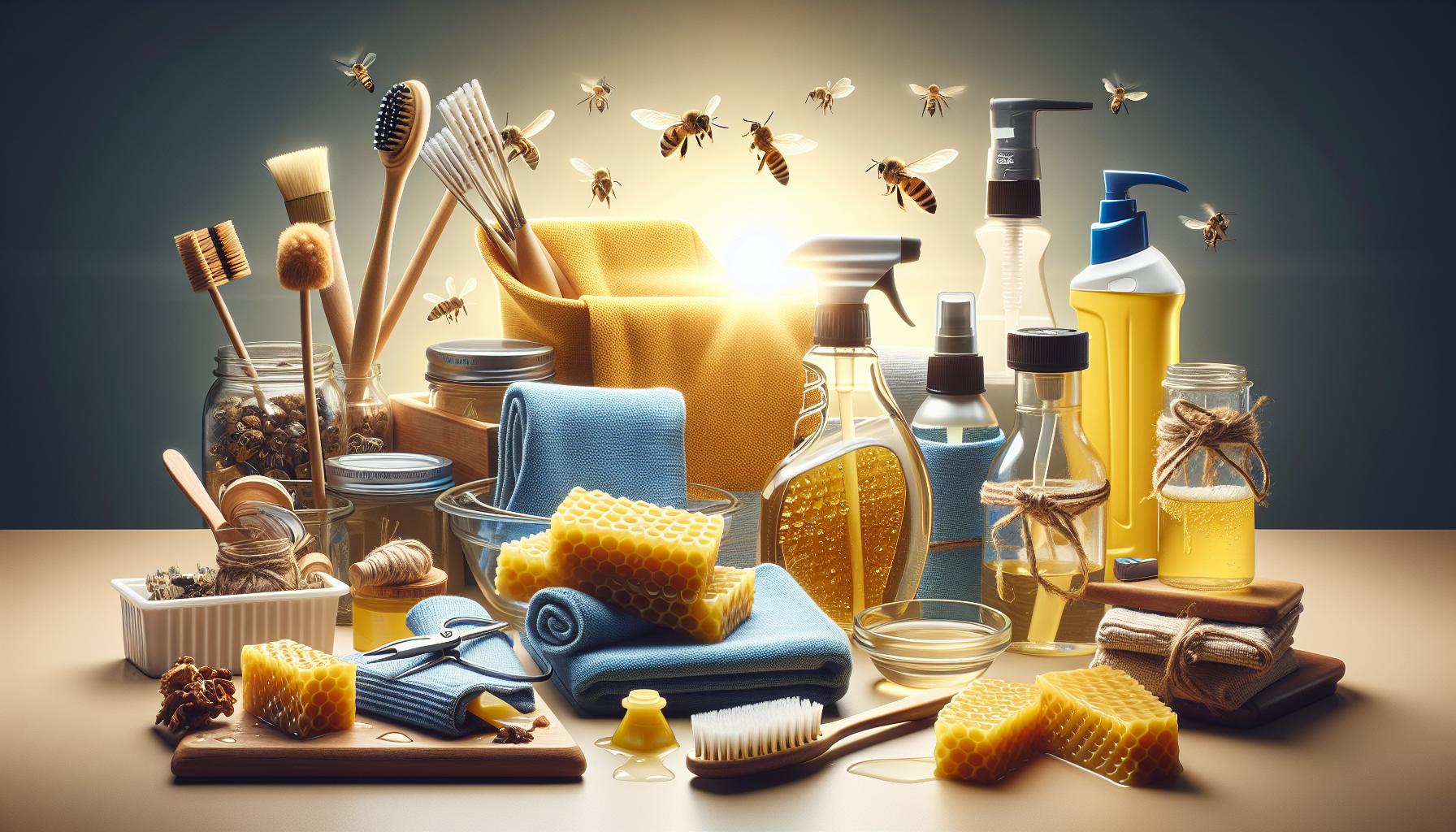
Best Products for Maintaining Beeswax Wraps
Keeping your beeswax wraps in top shape requires the right products that not only clean them effectively but also preserve their unique properties. Start with a mild, eco-friendly dish soap that’s free of harsh chemicals. Look for options like Seventh Generation or Method dish soap, both known for their gentle formulas that won’t strip the beeswax coating. Always avoid anything with strong fragrances or bleach, as these can deteriorate the wrap’s natural properties over time.
Additionally, consider using a soft sponge or a cloth designed specifically for delicate surfaces. Products like the Skoy Cloth or a natural fiber sponge provide the perfect balance of toughness without being abrasive, ensuring that your wraps remain intact throughout the cleaning process. If you wish to enhance your results further, you can also use a soft-bristle brush for those stubborn spots, allowing you to maintain the wrap’s integrity while tackling tougher residue.
For drying, a clean tea towel or dedicated air-drying rack is essential. It’s important to keep your wraps out of direct sunlight to prevent the beeswax from deteriorating. You could also invest in a dedicated drying rack, which not only facilitates proper air circulation but also looks aesthetically pleasing on your countertop. Proper storage is crucial; keep your wraps folded in an airy container or hung neatly, avoiding crumpling that can compromise their effectiveness.
Lastly, using a natural beeswax conditioner can help rejuvenate your wraps over time. Products like BeesWrap Beeswax Rejuvenator can be applied to restore the wax’s stickiness, ensuring your wraps continue to perform well in sealing your food items. By utilizing these carefully chosen products and techniques, you empower yourself to maintain and extend the life of your beeswax wraps, contributing positively to your sustainable living efforts.
Common Mistakes to Avoid During Cleaning
Cleaning beeswax wraps may seem straightforward, but there are several common missteps that can significantly diminish their lifespan and effectiveness. One of the biggest errors occurs when users opt for high-temperature water during the cleaning process. Hot water can melt the beeswax, leading to a loss of its unique properties. Always use cool or lukewarm water to maintain the wraps’ integrity.
Another frequent mistake is using harsh chemical cleaners. Many people might think that a stronger cleaner will yield better results, but this approach can actually damage the natural beeswax coating. Stick to mild, eco-friendly dish soaps such as Seventh Generation or Method, which are specifically designed to clean without stripping the beeswax. Additionally, avoid using abrasive sponges or scrubbers; these can scratch the surface and compromise the wrap’s ability to seal food effectively.
Improper drying techniques also contribute to premature wear. Leaving wraps crumpled or in direct sunlight can cause the beeswax to degrade. Instead, air-dry your wraps flat in a cool, shaded area or use a clean tea towel for drying. This will help preserve the beeswax’s texture and prolong its use.
Lastly, many overlook the importance of proper storage for their wraps. Storing them in a cramped space can lead to creases and reduce their effectiveness. Keep your wraps in a breathable container or hang them up to maintain their shape. By avoiding these common cleaning pitfalls, you’ll ensure your beeswax wraps remain effective and durable, contributing positively to your sustainable kitchen efforts.
How to Extend the Life of Your Beeswax Wraps
To ensure your beeswax wraps remain effective and last as long as possible, it’s crucial to adopt some practical care techniques. These eco-friendly alternatives to plastic wrap deserve a bit of attention to extend their lifespan and maintain their natural properties. First, always allow your wraps to cool before cleaning. This simple step prevents any melting that can occur when the wraps are still warm from handling. Letting them return to room temperature will help maintain the integrity of the beeswax layer.
When it comes to washing your wraps, opt for a gentle hand wash using a mild, eco-friendly soap. Fill a bowl with cool or lukewarm water, add a small amount of soap, and gently scrub the surface with a soft sponge or cloth. Avoid aggressive scrubbing, which can degrade the beeswax coating. After rinsing the wraps thoroughly, reshape them gently while they’re still damp and air dry flat in a cool, shaded space away from direct sunlight. These thoughtful steps help prevent fading and maintain the wraps’ pliability.
Consider implementing a rotating system for your wraps to minimize wear from frequent use. While using one wrap, allow the others to rest, keeping them from consistent exposure to food items and moisture. To further prolong their life, store them properly by avoiding tight spaces where they can crease. Hanging them or using a breathable bag ensures that they retain their shape and effectiveness. Regularly inspect your wraps for signs of wear; if they begin to lose their stickiness, this may be a sign that it’s time to refresh the wax coating, which can easily be done at home.
Finally, remember that beeswax wraps are intended for low-moisture foods and should not be used with raw meat or in high-heat situations, such as microwaves. Staying mindful of how and where you use your wraps significantly contributes to their longevity. By following these care tips, you will maximize the life of your beeswax wraps, making a lasting impact on your sustainable kitchen efforts while reducing waste effectively.
Creative Uses of Beeswax Wraps in the Kitchen
Using beeswax wraps in the kitchen offers a versatile and eco-friendly solution to replace single-use plastics. These natural wraps provide not just an alternative for food storage, but also inventive uses that enhance your cooking and dining experiences while contributing to a sustainable lifestyle.
Start with wrapping items like cheese, fruits, and freshly baked bread, as beeswax wraps mold with the warmth of your hands, creating a secure seal. This method effectively preserves freshness and flavor without leaching harmful chemicals into your food. For a fun twist, consider using beeswax wraps to cover bowls directly. Not only does this keep your leftovers fresh, but it also adds a touch of charm to your table.
Beeswax wraps are fantastic for creating snack packs. Simply use smaller squares to hold nuts, dried fruit, or cut vegetables. The warmth from your hands will help form a pouch that can be securely closed. This method is perfect for on-the-go snacks, helping you avoid plastic baggies while also promoting a zero-waste approach. You’ll find it just as easy to wrap a sandwich. Instead of using parchment paper or plastic, use a larger wrap; this clever trick keeps your lunch fresh, and the wrap is reusable, making it a win for both your kitchen and the environment.
Additionally, consider repurposing old or worn beeswax wraps in creative ways around the kitchen. Use them as pot holders for warm dishes or as a lid for mixing bowls to prevent splatters while stirring or blending. Each application helps illustrate the wraps’ sturdy and flexible nature, proving they can be more than just a food-covering tool. Embracing beeswax wraps not only simplifies your kitchen routine but also serves as a testament to your commitment to environmentally conscious practices.
By creatively integrating beeswax wraps into your kitchen routine, you extend their usefulness beyond simple food storage while reinforcing your commitment to sustainability and waste reduction.
Alternatives to Beeswax Wraps for Eco-Friendly Living
There are numerous effective alternatives for eco-friendly living that can be as versatile as beeswax wraps in your kitchen. As the push for sustainable practices grows, it’s important to explore these options that not only reduce waste but also serve multiple purposes. Here’s a look at some practical substitutes that can seamlessly fit into your routine while helping to minimize plastic use.
Cloth Food Wraps
One prominent alternative to beeswax wraps is reusable cloth food wraps. Made from cotton fabric and infused with food-safe waxes like soy or jojoba, these wraps mold around food items, much like beeswax. They are perfect for storing leftovers or wrapping cheese, fruits, and vegetables. To clean them, simply rinse with cold water and a mild detergent, and they will last for years with proper care. This approach offers a similar level of sustainability while allowing for creativity in choosing vibrant patterns and designs.
Silicone Food Covers
Silicone food covers are another excellent option that provides an airtight seal without the use of plastic. These flexible, durable coverings come in various sizes to fit bowls, pots, and dishes. They’re dishwasher-safe, making them incredibly easy to clean-just toss them in the dishwasher, and they’re good to go. Switch to silicone covers for foods that require a tighter seal, such as liquids, or when freezing foods, as they can withstand low temperatures without deforming.
Glass Containers
Using glass containers with airtight lids is an outstanding way to reduce plastic dependence in your kitchen. Not only are glass containers non-toxic and reusable, but they are also microwave and oven safe (without lids). They help keep food fresh and visible, making it easier to know what leftovers are available. Invest in a range of sizes to accommodate different food types, and you can say goodbye to single-use plastic wrap altogether.
Natural Plant-Based Wraps
Lastly, consider natural plant-based wraps made from materials like hemp or corn starch. These wraps use similar principles to waxed wraps but are often biodegradable, offering a zero-waste option when it’s time to replace them. They can be conveniently composted after use, aligning perfectly with a sustainable living philosophy.
Implementing these alternatives can transform your kitchen routine. By choosing cloth food wraps, silicone covers, glass containers, or plant-based wraps, you embrace a sustainable lifestyle that not only cuts down on waste but also showcases creativity and resourcefulness in every meal preparation. Each option brings you closer to a zero-waste kitchen, proving that going green can be both effective and stylish.
Troubleshooting: What to Do When Your Wraps Get Dirty
When your beeswax wraps end up dirty, it can be a frustrating experience, but rest assured there are simple and effective solutions to restore them. The key to successfully cleaning them lies in understanding how they work and using the right methods to preserve their integrity. Remember, beeswax wraps are coated with wax and resin, making them durable yet sensitive to certain cleaning agents. They are not meant to withstand high heat or aggressive scrubbing, which is why gentle care is crucial for prolonging their life.
To tackle light stains, start by rinsing your wrap under cool water immediately after use. This initial rinse helps to remove any food particles and prevents them from drying and sticking to the wrap. Next, prepare a mild soap solution using a few drops of dish soap and cool water in a basin. Using a soft cloth or your hands, gently scrub the wrap in a circular motion, focusing on stained areas. Avoid using any abrasive brushes or sponges that might scratch the surface. After a thorough wash, rinse the wrap under cool running water to remove any soap residue. Hang it or lay it flat to air dry-never use a cloth or paper towel to dry your wraps, as this could leave lint behind.
For tougher stains caused by greasy foods or sauces, you might need a bit more finesse. Mix a tablespoon of baking soda with a few drops of water to create a paste, and apply this directly to the stained area. Gently rub with a soft cloth before rinsing off. Baking soda is a gentle abrasive that can lift stubborn stains without damaging the wax coating. If your wraps have developed an odd smell, adding a little white vinegar to the rinse water can help neutralize odors.
Lastly, pay attention to your cleaning routine to avoid common pitfalls. Do not use hot water, as it can melt the wax, rendering your wraps ineffective. Also, avoid placing beeswax wraps in the dishwasher or washing machine; the harsh conditions and high temperatures are detrimental to their structure. With these strategies in place, you will keep your beeswax wraps fresh and functional, making your sustainable kitchen practices even more effective.
Upcycling Ideas for Worn Beeswax Wraps
Beeswax wraps are a sustainable alternative to plastic, but over time, they can wear out and lose their effectiveness. Instead of discarding them, consider creative ways to upcycle worn beeswax wraps, transforming them into valuable products for your home. This not only extends their life cycle but also contributes to an eco-friendly lifestyle by reducing waste.
One excellent upcycling idea is to turn your worn beeswax wraps into reusable food bags. Cut the wrap into desired sizes and sew or use fabric glue to secure the edges, creating a pouch that can hold snacks, sandwiches, or produce. This approach allows you to keep food fresh without the need for single-use plastic bags. Additionally, you can utilize the larger pieces for crafting projects, such as covering bowls or plates during meals.
Another exciting option is to repurpose your beeswax wraps into DIY fire starters. Shred or crumble the worn wraps and mix them with natural materials like pine cones or cardboard. Place this mixture in small bags or directly within a fire pit or fireplace. When lit, the natural wax will burn slowly, providing a consistent flame that makes starting a fire easier. This method not only helps reduce waste but also enhances your outdoor experiences.
For crafting enthusiasts, consider using your damaged wraps in mixed media art projects. Cut the wraps into shapes and incorporate them into collages or decoupage projects, adding texture and a unique aesthetic to your creations. The combination of colors and patterns in beeswax wraps can enhance art pieces, making them visually appealing while promoting sustainability.
Lastly, think about using worn beeswax wraps as makeshift dust cloths in your home. The natural wax helps attract dust and can be a great way to clean surfaces sustainably. Just be sure to wash and care for them appropriately before use to avoid transferring any unwanted odors or residues.
By implementing these upcycling ideas, not only do you breathe new life into worn beeswax wraps, but you also reinforce your commitment to sustainable living. Engage your creativity, reduce waste, and explore the endless possibilities that these versatile wraps can offer.
Frequently Asked Questions about Beeswax Wraps Care
Beeswax wraps are a revolutionary alternative to plastic wrap, but proper care is essential to maximize their lifespan and effectiveness. If you’re wondering how to keep these eco-friendly kitchen staples in top condition, you’re not alone. Common queries focus on cleaning techniques, storage, and troubleshooting. Here’s the lowdown on caring for your beeswax wraps to ensure they remain your kitchen ally.
Firstly, to clean your beeswax wraps, avoid using hot water or harsh soaps, as these can strip the natural wax coating. Instead, use cool water and a gentle dish soap. Simply rinse your wrap under cool water, applying a few drops of mild soap directly. Gently scrub with a soft sponge to remove any stubborn residues. This method not only preserves the integrity of the wax but also ensures you’re not exposing your food to unwanted chemicals. Once cleaned, simply air dry your wraps on a dish rack or hang them to dry.
Storage is another frequent concern. To keep your beeswax wraps fresh, store them in a cool, dry place away from direct sunlight-excessive heat can melt the wax. A drawer or a cloth bag works perfectly. When it comes to reusing them, avoid covering raw meat or highly pungent foods to prevent lingering odors. If you do end up with a wrap that’s picked up unwanted smells, clean it thoroughly, as mentioned above, and let it air out until fresh again.
Finally, if your beeswax wraps start sticking together or lose their pliability, you can rejuvenate them. Simply place them in a warm area (like near an oven while it is on), or carefully iron them on a low setting between two sheets of parchment paper to redistribute the wax evenly. This technique can restore their original functionality without the need for replacing them entirely. By following these care tips, your beeswax wraps will continue to support your sustainable lifestyle for a long time to come.
The Way Forward
Now that you’re equipped with the knowledge to care for your clean beeswax wraps, it’s time to embrace this sustainable kitchen solution fully! Remember, regular maintenance not only extends the life of your wraps but also enhances their effectiveness in keeping your food fresh. If you have any lingering questions about beeswax wraps or want to explore more sustainable kitchen options, check out our guides on “Eco-Friendly Kitchen Tips” and “DIY Beeswax Wraps.”
Act now to revolutionize your kitchen experience! Implement these easy care tips today and witness firsthand how simple it is to reduce plastic waste in your home. Don’t forget to subscribe to our newsletter for exclusive content and updates on future sustainable practices that can elevate your kitchen game. Share your experiences or any tips you’ve discovered in the comments below-we love hearing from our community! Your journey towards a more sustainable kitchen starts here-let’s share it together!
Get our latest guides, news, and insights highlighted in your Google Search & AI Overviews.