Did you know that wine stoppers and décor can tell a story about your experiences and gatherings? However, over time, these cherished items can accumulate grime and dust, detracting from their beauty and significance. “Clean Cork: Preserve Wine Stoppers and Décor” offers you effective techniques to rejuvenate these pieces, ensuring they remain vibrant and meaningful in your home.
Whether you’re a wine enthusiast or someone who enjoys hosting, maintaining the aesthetic and integrity of your décor is essential. This guide not only tackles common cleaning challenges but also empowers you with practical solutions that preserve the essence of your wine-related artifacts. Dive into proven methods that will restore your stoppers and decorations to their former glory, creating an inviting environment for your next gathering. You’ll soon discover that caring for these items can be straightforward and deeply rewarding. Let’s embark on this journey to refresh your cherished keepsakes and elevate your décor effortlessly.
Understanding the Importance of Clean Corks for Wine Preservation
In the world of wine, the cork is more than just a stopper; it acts as a guardian of flavor, aroma, and overall quality. A clean cork is essential for preserving the integrity of the wine it seals. Over time, corks can collect dust, mold, and other contaminants that not only affect their appearance but can also compromise the wine’s quality. Neglecting to clean corks can lead to spoilage, unwanted off-flavors, or even cork taint, which is caused by a compound found in some corks that can ruin the wine experience.
Understanding the importance of maintaining clean corks goes beyond aesthetic considerations. When corks are dirty, they can harbor bacteria or mold that may transfer to the wine, affecting its taste and safety. Additionally, a dirty cork may not seal effectively, allowing air to enter the bottle and oxidize the wine, leading to premature aging or spoilage. A simple cleaning routine can mitigate these risks, ensuring that your wine is not only preserved but also presented as intended.
Investing time in preserving a cork’s cleanliness can elongate the lifespan of your wine collection. Regularly inspecting and cleaning corks will enhance your overall wine experience, whether you’re a casual drinker or a serious collector. The commitment to maintaining pristine corks reflects a broader dedication to quality wine stewardship, showcasing a respect for the craft of winemaking and a desire to fully appreciate each bottle. This attention to detail can transform an ordinary tasting into a memorable event, allowing the wine’s true character to shine through in its full glory.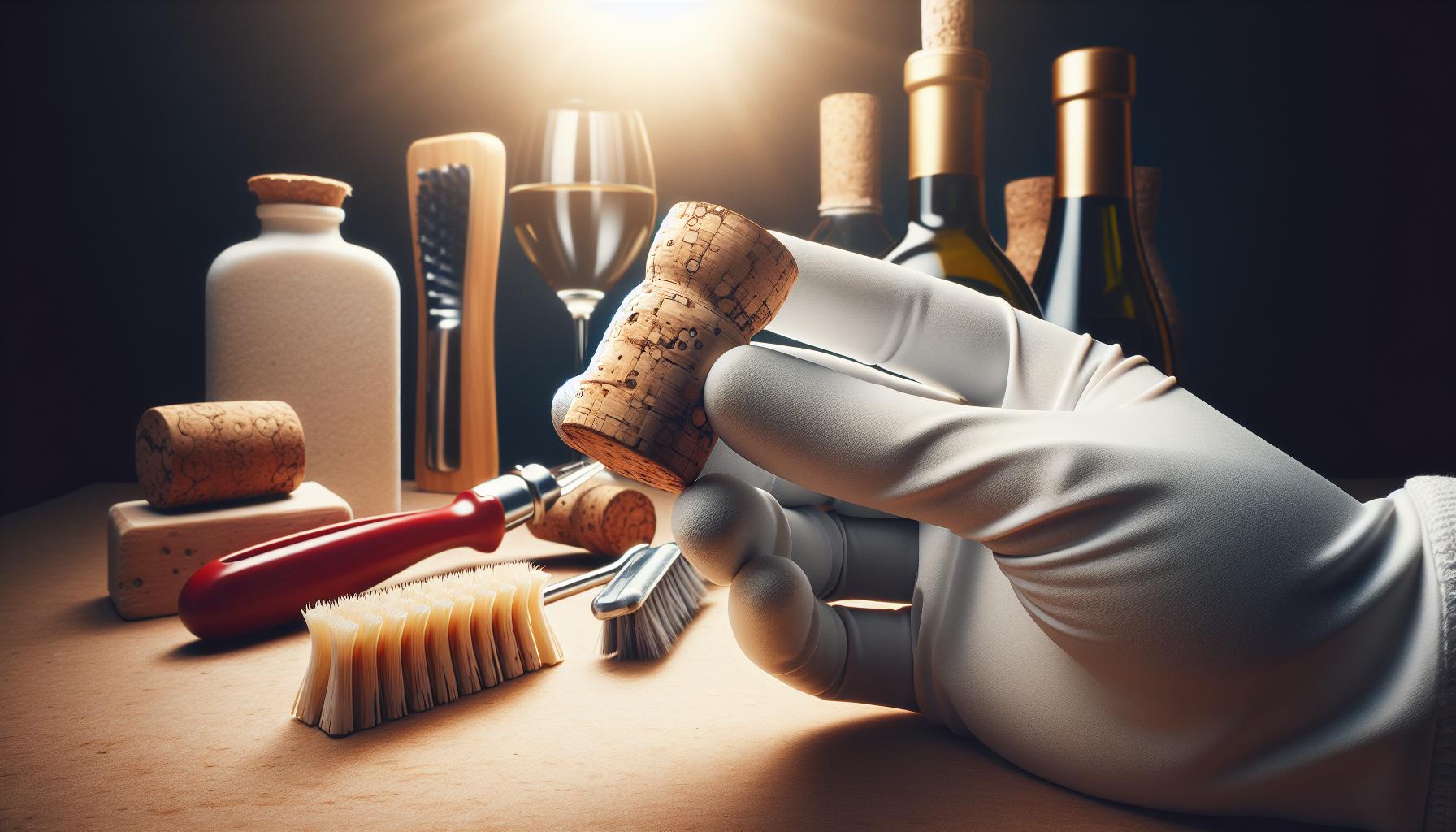
Essential Tools for Cleaning and Preserving Wine Stoppers
A well-stocked cleaning toolkit can make all the difference when it comes to preserving the integrity of your wine stoppers. For effective cleaning and maintenance, equip yourself with the right tools to ensure that your corks remain in top condition. Here’s a curated list of essential items that will help you tackle any cork cleaning project with confidence.
Must-Have Tools
- Soft Bristle Brush: A soft-bristled brush is ideal for gently scrubbing the surface of the cork without causing damage. Look for brushes designed for delicate tasks, as they can effectively remove dust and debris.
- White Vinegar Solution: A mixture of equal parts water and white vinegar acts as a natural disinfectant. This solution not only cleans but also neutralizes any odors that may have settled into the cork.
- Microfiber Cloths: Use soft microfiber cloths to wipe down and dry your corks. These cloths are absorbent and won’t leave behind lint, ensuring a spotless finish.
- Small Bowl or Container: For submerging corks in your cleaning solution, a small bowl is essential. This allows for thorough cleaning while keeping your work area tidy.
In addition to these items, consider using gloves to protect your hands during the cleaning process. Gloves make handling dirty corks easier and prevent contamination from oils and dirt on your skin. A lint-free towel can also prove useful for final drying, ensuring that no fibers cling to your cleaned corks.
Having these tools at your disposal prepares you for effective cork maintenance. By incorporating these simple but essential items into your cleaning routine, you can enhance the longevity and presentation of your wine collection, creating an experience that truly celebrates the art of winemaking.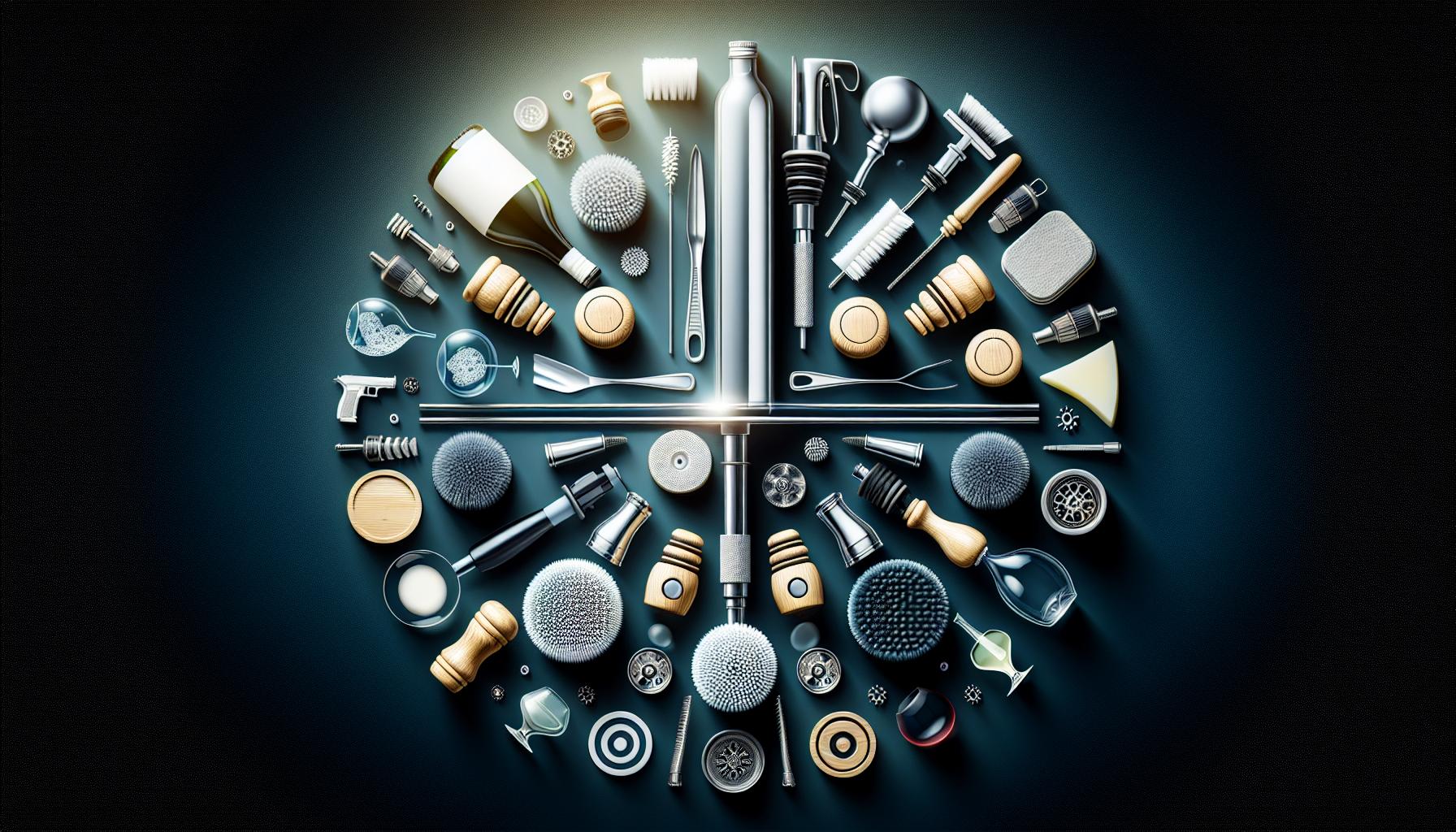
Step-by-Step Guide to Effectively Clean Wine Corks
Cleaning wine corks is not just about aesthetics; it’s essential for maintaining the quality of the wine and ensuring the longevity of your stoppers. Mold and residue can build up if corks are not cleaned properly, which can affect both the flavor of the wine and the integrity of the cork itself. Here’s a streamlined approach to effectively clean wine corks, ensuring they remain functional and visually appealing.
Begin with a thorough assessment of the corks. If they’re visibly soiled or have an odor, they need immediate attention. Make a solution of equal parts water and white vinegar in a small bowl. Submerge the corks in this mixture for about 10 to 15 minutes, allowing the natural disinfectant properties of vinegar to do their work. The vinegar will not only help remove stains but also neutralize any unpleasant smells.
While the corks soak, grab your soft bristle brush. After the soaking period, gently scrub each cork with the brush. Focus on grooves and seams that may harbor dirt-this technique consistently removes even stubborn stains without damaging the cork. Rinse the corks under running water to wash away any residual vinegar and loosened debris. After rinsing, use a clean microfiber cloth to wipe them down, ensuring that no lint is left behind.
Finally, allow the corks to air dry completely before storing or reusing them. If you have a flexible drying rack, lay the corks flat to maintain their shape. This complete cleaning process not only enhances the appearance of your corks but also protects their functionality, ultimately enriching your wine experience. By following these steps, you safeguard your wine’s flavor while elevating the cork’s role, whether it be in preservation or as part of your home décor.
Preventing Damage: Handling Corks with Care
Handling corks requires a gentle yet purposeful approach to ensure their longevity and functionality. Wine corks are delicate materials that can be easily damaged if mishandled, leading to compromised seal integrity, which can ultimately affect the wine’s flavor profile. Protecting these stoppers starts with understanding their structure. A cork is made up of tiny cells that can easily compress or break under pressure or incorrect manipulation, which is why they deserve finesse during cleaning and storage.
When cleaning corks, use a soft-bristle brush to avoid damaging the surface. Apply light pressure while scrubbing to dislodge any dirt without compromising the cork’s fibers. If a cork is particularly stubborn, dampen it slightly before brushing; this minimizes friction and helps lift dirt more effectively. Moreover, always handle corks by their ends rather than the body. By doing so, you lessen the risk of compressing the material and risking breakage.
A common mistake many make is letting corks soak for too long in cleaning solutions. It’s crucial to remember that excessive exposure can weaken the cork’s structure. A 10-minute soak in a vinegar and water solution is sufficient for cleaning-any longer can jeopardize the cork’s integrity. After cleaning, allow the corks to air dry completely in a position that avoids bending-lay them flat or utilize a cork drying rack to ensure they retain their original shape.
Caring for corks doesn’t end after cleaning; it’s also about proper storage. Store corks in a cool, dry place away from direct sunlight to prevent drying out and cracking. Consider using breathable fabric bags or boxes to allow air circulation, which helps maintain the cork’s suppleness. By applying these practical methods, you not only preserve the wine’s quality but also extend the life of the cork stoppers, enhancing your overall wine experience and décor applications where corks serve a dual purpose.
Creative Uses for Clean Corks in Home Décor
Creating beautiful décor from something as simple as clean wine corks can transform your home into a showcase of creativity and sustainability. Not only do these projects add a unique touch to your living space, but they also provide a fantastic way to repurpose materials that may otherwise go to waste. With a bit of imagination, you can elevate your home aesthetic using wine corks in a variety of engaging and stylish ways.
One of the most popular uses for clean corks is crafting custom bulletin boards. To create one, collect a number of clean corks and arrange them in a visually appealing pattern on a wooden board or a picture frame backing. Using hot glue, secure each cork in place, leaving just enough room to pin notes, photos, or reminders. This not only gives you a functional space for organization but also adds a rustic charm to your décor.
Another innovative way to utilize your cork collection is by making coasters. Cut corks in half lengthwise and arrange them in a circular or square shape according to your design preference. Adhere them to a cork base or a sturdy piece of cardboard using strong adhesive. This straightforward project not only protects your surfaces but also showcases your personality, making each set of coasters a conversation starter.
- Table Centerpiece: Fill a glass jar or vase with clean corks for a unique table centerpiece. Add flowers, fairy lights, or decorative stones to enhance the visual appeal.
- Cork Letter Art: Create a monogram or initial from corks. Glue them onto a canvas or wood board shaped like your initials for a personal touch in any room.
- Cork Wall Art: Attach corks to a canvas or wooden frame in an artistic arrangement to create stunning 3D wall art that can be customized to suit your home’s color scheme.
By incorporating these creative uses of clean wine corks into your home décor, you not only beautify your space but also embrace a sustainable lifestyle-turning what might be considered trash into cherished treasures. Each project allows you to express your style while enjoying the satisfaction that comes from crafting something unique.
Eco-Friendly Cleaning Solutions for Wine Corks
The right cleaning solutions not only keep your wine corks in pristine condition but also ensure you’re being environmentally responsible. Traditional cleaning agents can often contain harmful chemicals that contribute to pollution and waste, but there are many effective eco-friendly alternatives that are safe for both the environment and your corks.
To start with, vinegar serves as an excellent natural disinfectant. Mix equal parts white vinegar and water in a bowl. Soak your corks in this solution for about 10 minutes, allowing the vinegar to break down any residue without compromising the cork’s integrity. After soaking, gently scrub each cork with a soft brush, focusing on any stubborn stains. Rinse them under cool water and let them air dry completely before using or repurposing.
Another effective solution is baking soda, known for its versatility and cleaning power. Create a paste with three tablespoons of baking soda and a little water. Apply this paste directly to any stains on the corks and let it sit for 15-20 minutes. The mild abrasive action helps lift dirt and grime. Once the time is up, wipe the paste away with a damp cloth and rinse thoroughly. For persistent odors, baking soda absorbs unwanted smells; simply sprinkle some inside a jar with any corks you wish to freshen.
For a refreshing scent while cleaning, consider using citrus peels. Soak corks in a mixture of warm water and citrus peels-from oranges or lemons-for about 30 minutes. The natural oils in the peels disinfect while leaving your corks pleasantly fragrant. After soaking, rinse under cool water, and dry properly.
These eco-friendly methods not only sustain the quality and appearance of your corks but also embody a commitment to a greener lifestyle. By choosing these natural cleaning techniques, you’re ensuring that your cleaning habits contribute positively to the environment while enjoying your wine-related activities.
Tips for Maintaining the Quality of Wine Stoppers
Maintaining the quality of wine stoppers is essential not just for preserving wine but also for ensuring they can be beautifully repurposed in your décor. To start, always store your corks in a cool, dry place away from direct sunlight. Exposure to harsh conditions can lead to degradation, making corks fragile and less effective as stoppers. If you plan to use corks for decoration, consider preservation sprays specifically designed for natural materials, which can help protect them from environmental damage while enhancing their appearance.
Handling corks with care is vital. Always grasp corks by their ends and avoid squeezing or bending. This practice prevents cracking and maintains their structural integrity. For stoppers that haven’t been used in a while, check for any signs of mold or spoilage, which can affect their aesthetic and functional qualities. If necessary, lightly sand any rough areas to smooth out imperfections, but ensure to do this gently to avoid harming the cork.
Regular cleaning is another key aspect of maintaining cork quality. After using corks, rinse them under lukewarm water immediately to prevent residue buildup. Allow them to air dry completely before placing them in storage. For those looking to refresh older corks, soak them in a mixture of warm water and a splash of white vinegar, then scrub gently with a soft brush. This method effectively removes any stubborn stains and odors while being safe for the material.
Lastly, if you’re using corks for craft projects, opt for eco-friendly adhesives and finishes to preserve their integrity. These materials not only enhance the cork’s appearance but also support environmental sustainability. Whether you’re creating a cork board or decorative centerpieces, prioritizing quality maintenance will ensure your cork embellishments remain stunning and functional for years to come.
Common Mistakes in Cork Cleaning to Avoid
Cleaning wine corks may seem like a simple task, but a few missteps can compromise their quality and usability. One common mistake is neglecting to rinse corks immediately after use. Failing to do so allows residue from wine to dry and stick, making it far more challenging to clean later. Always rinse corks under lukewarm water right after opening a bottle; this practice prevents buildup and ensures they are clean for storage or repurposing.
Another frequent error is using harsh chemicals or abrasive scrubbers. Cork is a delicate material, and aggressive cleaning methods can cause damage, leading to crumbling or discoloration. Stick to gentle solutions, such as a mixture of warm water and a splash of white vinegar, using a soft brush or cloth to remove any stains. This technique consistently removes even stubborn stains without harming the cork’s integrity.
Many also overlook the importance of proper drying. After cleaning, it’s crucial to fully air dry corks before storing them to prevent mold growth. A common error is placing damp corks directly into storage, creating a moisture-rich environment that encourages spoilage. Lay cleaned corks flat on a clean towel in a well-ventilated area, ensuring they are completely dry.
Lastly, be mindful of how you store corks. Stacking corks improperly can lead to deformation and damage. Use a dedicated cork storage container or box, arranging them in a single layer. This method preserves their shape and quality, making them ready for future use or decorative projects. By avoiding these common mistakes, you can extend the life of your wine stoppers and keep them looking beautiful for all your crafting needs.
Innovative Cork Craft Ideas for Enhancing Home Aesthetics
Transforming clean wine corks into delightful decorative items not only enhances your home aesthetics but also celebrates sustainability by repurposing materials. Imagine warm, rustic accents that tell a story each time you pass by. Here are some innovative craft ideas that will breathe new life into your clean wine corks, making them perfect for any home décor.
Cork Board Creation
Crafting a cork board from leftover corks can add charm to your home office or kitchen. Begin by gathering a sturdy piece of cardboard or an old picture frame, then lay out your cleaned corks in a desired pattern. Use a strong adhesive to secure each cork in place, filling the surface for a textured look. This functional piece not only serves as a pinboard but also acts as a unique conversation starter for guests.
Charming Candle Holders
Elevate ambiance by fashioning wine corks into beautiful candle holders. Simply take a clean cork and carefully drill a hole in the center that fits a tea light or votive candle snugly. You can paint or wrap the cork in twine for added flair. Place these holders on a dining table or mantelpiece to create a cozy atmosphere.
Natural Coasters
Utilize corks for stylish coasters, protecting your surfaces while adding a decorative touch. Cut corks in half lengthwise and arrange them in a circular or square shape adhering them with glue. Once dry, finish with a sealant to protect against moisture. These coasters not only look elegant but also absorb condensation, ensuring your furniture stays pristine.
Artistic Wall Hangings
Turn your corks into a stunning wall art piece. Create a design by mounting corks on a canvas or wooden board, forming shapes such as hearts, trees, or initials. Paint the corks in coordinating colors to match your décor. This project leads to a personalized art installation that resonates with your love for wine while adding texture and depth to your walls.
By engaging in these creative projects, you’ll not only preserve clean corks but also produce distinctive and functional décor that showcases your ingenuity. Embrace these innovative ideas and watch how they can enrich your living space.
Storing Wine Corks: Best Practices and Tips
Storing wine corks properly is crucial for maintaining their quality and functionality, particularly if you plan to reuse them for sealing bottles or crafting decorative items. An organized approach not only helps preserve the integrity of the corks but also makes them easily accessible for your next creative project or wine storage needs.
First, ensure that your corks are completely clean and dry before storing them. Moisture can lead to mold growth, which can ruin both the corks and any wine they may come into contact with. A dedicated, dry container is ideal for storage-consider using a glass jar or a small, ventilated basket that allows airflow while keeping dust and pests at bay. Avoid placing corks in closed plastic bags, as they can trap moisture and promote decay.
When sorting your corks, group them by type or size to simplify future use. For instance, keep longer corks for larger wine bottles and shorter ones for smaller or antique bottles. You might also want to label your containers, especially if you accumulate a variety of corks over time. Organizing them in this way streamlines your workflow, whether you’re crafting art pieces or resealing a bottle of wine.
Lastly, store your corks in a cool, dark place. Extreme temperatures can weaken corks, leading to brittleness or deterioration. A cupboard or a shelf away from direct sunlight is perfect. With these strategies, you’ll not only extend the life of your corks but also be ready to transform them into unique home decor or functional items as inspiration strikes.
The Environmental Impact of Recycling Wine Corks
Recycling wine corks is not just a sustainable practice; it’s also a crucial step towards reducing environmental waste. Every year, countless corks are discarded, contributing to landfills and environmental harm. By choosing to recycle corks, you’re not only prolonging their life cycle but also supporting eco-friendly initiatives that promote sustainability. Cork is a natural material, and its biodegradability means that when disposed of improperly, it can take years to break down, creating a detrimental impact on our ecosystems.
One of the most significant benefits of recycling corks is the reduction of deforestation. Cork trees are harvested for their bark rather than cut down, allowing them to continue growing and sequestering carbon dioxide from the atmosphere. This harvesting process is sustainable and beneficial for the environment. By recycling corks, you are supporting the continued health of cork oak forests, which in turn provide habitats for diverse wildlife and contribute to biodiversity.
Cork recycling initiatives often focus on reusing corks in innovative ways. For example, many companies transform recycled corks into flooring, insulation, or even new wine stoppers. This closed-loop model not only minimizes waste but also reduces the need for new materials, translating into lower energy consumption and fewer resources used in the manufacturing process. Furthermore, many local recycling programs or prominent organizations support the collection of corks, making it easier than ever for individuals to participate in this eco-conscious effort.
To maximize the environmental benefits of recycling, it’s essential to ensure that your corks are clean and free of residues before recycling them. This practice enhances the quality of the recycled products and promotes a cleaner overall recycling process. Embracing the recycling of wine corks not only reflects a commitment to sustainability but also adds value to your responsible choices as a consumer. By making simple adjustments to how you handle corks, you can contribute positively to the environment while creating opportunities for unique DIY projects and decorative elements in your home.
Enhancing Your Wine Experience through Proper Cork Care
Maintaining the cleanliness and quality of wine corks is essential for ensuring an enjoyable wine experience, as the cork is integral in preserving the wine’s integrity. Each time you indulge in a bottle, consider the cork’s role: it prevents oxidation and protects the wine from spoilage. To truly enhance your wine enjoyment, adopting a systematic approach to cork care will pay dividends, not only in preserving opened bottles but also in elevating your overall wine experience.
Start by incorporating regular cork inspections into your wine-drinking routine. Inspecting corks allows you to catch any signs of deterioration early, such as dryness or mold, which can compromise wine quality. When removing a cork, do so gently to prevent crumbling, which can introduce unwanted particles into your wine. If the cork feels particularly dry, consider soaking it briefly in clean water to rehydrate it before closure. This technique maintains the cork’s elasticity, ensuring a tighter seal for future uses.
Proper cork care extends beyond mere cleanliness; it involves storage practices that influence cork longevity. Store wine bottles horizontally to keep the cork moist, particularly for natural corks, which can dry out if left upright. Maintain a consistent, cool temperature in your wine storage to prevent cork warping, which can lead to air exposure. By following these simple practices, you not only extend the life of your corks but also significantly enhance the pleasure derived from each bottle you open, making every sip an exceptional experience.
Lastly, consider the aesthetic potential of clean corks in home décor. After properly cleaning and preserving your corks, they can be repurposed into charming decorative elements throughout your home. Whether used as bulletin boards, coasters, or unique wall art, clean corks add a touch of rustic elegance to any space while providing a tangible connection to your wine experiences. Embracing these practices not only showcases your commitment to quality wine enjoyment but also reflects a mindful approach to sustainability in repurposing materials.
In Conclusion
Transform your wine experience by preserving your stoppers and décor with Clean Cork’s proven techniques. Remember, a little care goes a long way-ensure your wine stoppers remain in top condition while enhancing your home’s aesthetic. If you have any lingering questions about cleaning or maintenance, explore our detailed guides on the best cleaning tools and methods for your unique décor.
Don’t wait-start today by checking out our full range of resources and products designed to help you maintain that pristine look. Sign up for our newsletter to stay updated on tips and exclusive offers, and consider sharing your experiences in the comments below. Your journey to preserving beauty and functionality in your home begins now, and we’re here to support you every step of the way!
Get our latest guides, news, and insights highlighted in your Google Search & AI Overviews.