


Did you know that the air circulating through your home could be teeming with dust, allergens, and even mold? Clean home ducts are essential not just for maintaining a comfortable environment but also for promoting better health. By following proven steps to clear out your air ducts, you can significantly improve the quality of air in your living space, allowing you to breathe easier and enjoy a fresher, healthier home.
Many homeowners overlook duct cleaning, assuming that a vacuum or air filter does the job. However, neglecting this vital task can lead to respiratory issues, exacerbated allergies, and higher energy costs. This guide will empower you with practical, straightforward methods to effectively clean your home ducts, ensuring optimal airflow and a healthier living environment. Get ready to take control of your indoor air quality and discover the difference clean ducts can make!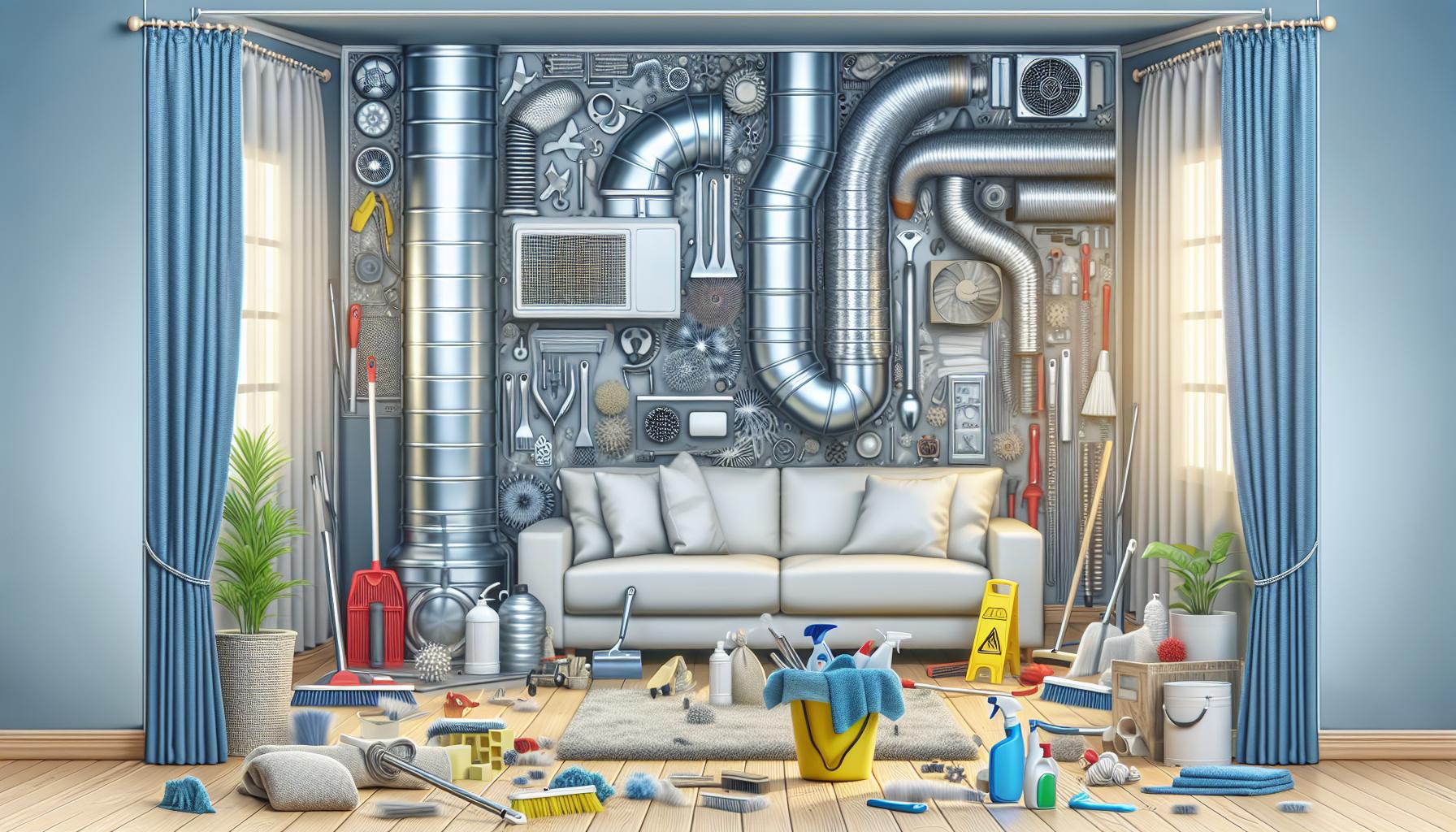
Identify the Importance of Clean Home Ducts
Clearing out your home’s ductwork is not just a mundane maintenance task; it is a crucial aspect of creating a healthy indoor environment. Statistics suggest that indoor air can be 2-5 times more polluted than outdoor air, primarily due to dust, allergens, and pollutants that accumulate in the air ducts. Neglecting to clean these ducts regularly can lead to poor air quality, exacerbating respiratory issues, allergies, and even asthma in sensitive individuals. By ensuring that these pathways are free from dust and debris, you can significantly improve the air you breathe, leading to a healthier and more comfortable living space.
Moreover, clean ducts contribute to the overall efficiency of your HVAC system. When dust accumulates in the ducts, it forces your heating and cooling systems to work harder to distribute air evenly throughout your home. This increased workload not only raises energy consumption but also shortens the lifespan of your HVAC system. Regular cleaning can enhance the overall efficiency of your system, resulting in lower energy bills and fewer repair needs over time. Therefore, prioritizing clean air ducts is a step towards not just well-being but also financial savings in the long run.
In addition to these practical advantages, the importance of clean ducts extends to the prevention of unpleasant odors, mold growth, and pest infestations. Stagnant air in dirty ducts can create an environment where mold can thrive, potentially releasing harmful spores into your home. Furthermore, dirt and debris can attract pests like rodents and insects, which can introduce additional health risks. By maintaining clean ducts, you create an inhospitable environment for these issues while promoting a fresh and inviting indoor atmosphere. Understanding these facets emphasizes that clean ducts are fundamental to health, efficiency, and comfort in your home.
Signs Your Ducts Need Cleaning Now
Noticing unexpected changes in your home may be the key to understanding whether it’s time to clean your air ducts. A sudden and unexplained increase in dust accumulation on surfaces, such as furniture and electronics, can be a glaring indicator that your ducts need attention. If you find yourself dusting more often than usual, it’s likely due to dirt and contaminants circulating through your HVAC system, prompting a closer inspection of your ducts.
Another significant sign is an increase in allergy symptoms or respiratory issues among family members. If you or your loved ones find themselves sneezing, coughing, or experiencing other allergy-related symptoms more frequently, the problem may lie within the ducts. Recirculated air that carries allergens, dust mites, and even pet dander can exacerbate these conditions, making it crucial to address possible duct contamination promptly.
Pay close attention to any unusual odors that may emanate from your vents. Musty or foul smells, particularly those resembling mildew or organic decay, can indicate the presence of mold or accumulated debris within the duct system. This not only complicates indoor air quality but can also pose serious health risks. If detected, it’s imperative to plan for immediate cleaning to mitigate these risks.
Lastly, consider the operational efficiency of your HVAC system. If you notice inconsistent temperatures between rooms, excessive energy bills, or hear strange noises coming from your heating and cooling system, clogged or dirty ducts may be the culprit. Regular cleaning not only enhances air flow but also ensures your system operates smoothly, saving you money and maintaining comfort in your home. By recognizing these signs early, you empower yourself to create a healthier and more efficient living environment.
Proven Steps for Effective Duct Cleaning
To ensure your air ducts are thoroughly cleaned and remain in excellent condition, start by gathering a set of effective tools and outlining a clear process. Engaging in this task not only enhances your indoor air quality but can improve the efficiency of your HVAC system. Follow these to breathe easier and create a healthier home environment.
Begin by preparing your space. Before diving in, turn off your HVAC system to prevent any airflow that might stir up dust. Remove any vent covers by unscrewing them or gently prying them off with a flathead screwdriver, depending on the design. Next, vacuum the areas around the vents to eliminate loose dust and debris. Cover any furniture nearby with a drop cloth to protect them from the inevitable dust clouds that will arise during the cleaning process.
Once your area is prepped, it’s time to address the ducts. Use a high-powered vacuum equipped with a hose attachment to clean the interior of the ducts. Start at the vent closest to the HVAC system and work your way outward. Move the hose in a circular motion within the duct to capture all dust and debris clinging to the sides. If you encounter particularly stubborn grime, consider using a duct cleaning brush attached to a long pole to scrub the insides more effectively.
Another key step is to clean the dryer vent, as lint accumulation can pose a fire hazard and reduce efficiency. Disconnect the dryer from the vent and use the vacuum to clear out any lint buildup throughout the vent system. Regularly maintaining your dryer vent can significantly reduce cleanup time when it’s your turn to clean the ducts.
Lastly, reattach the vent covers and turn your HVAC system back on. Allow it to run for a few minutes to circulate fresh, clean air and displace any lingering dust. To further optimize your indoor air quality, consider installing a high-efficiency filter and replace it regularly. Follow up with a monitoring system to keep track of air quality changes in your home, reminding you when it’s time for the next round of duct cleaning.
By following these practical steps, you can effectively remove contaminants from your duct system, enhance airflow, and improve the overall health of your indoor environment. Regular maintenance will lay the groundwork for a fresher, cleaner home.
DIY Duct Cleaning Tools You Need
To effectively clean your home’s ducts and improve your indoor air quality, having the right tools at your disposal is crucial. A well-prepared toolkit not only streamlines the process but also enhances the effectiveness of your cleaning efforts. Here are the essential tools you’ll need to tackle duct cleaning like a pro.
Essential Tools for DIY Duct Cleaning
- High-Powered Vacuum: Invest in a vacuum with strong suction and a long hose attachment. A shop vacuum often works best as it can handle dust and debris efficiently.
- Duct Cleaning Brush: A stiff-bristled brush attached to a long handle is invaluable. This brush can easily dislodge stubborn grime stuck to the sides of your ducts.
- Microfiber Cloths: Use these for wiping down surfaces and vent covers. They effectively capture dust without scattering it back into the air.
- Screwdriver Set: Have a basic set of screwdrivers handy for removing vent covers. Depending on your home, you may need Phillips or flathead screwdrivers.
- Drop Cloths: Protect your furniture and flooring by spreading drop cloths in the work area. This will catch any dust that may escape during the cleaning process.
- Protective Gear: Don’t forget to wear a dust mask and goggles. These will help protect your respiratory health and eyes from dust and debris.
Your Cleaning Strategy
With these tools, your approach becomes straightforward. Start by removing vent covers using your screwdriver. This allows for direct access to the duct openings. Next, use your vacuum to remove loose dust around the vents, followed by inserting the vacuum hose into the ducts. Work methodically, vacuuming as far into the duct as possible. After that, employ your duct cleaning brush to scrub the interior, loosening any remaining dirt or grime.
Engaging in regular duct cleaning not only promotes a healthier home environment but also optimizes the efficiency of your HVAC system. With these tools at hand, you’re well-equipped to ensure your ducts are cleaned effectively and efficiently. Remember, a clean duct system leads to fresher air, contributing to a more pleasant living space.
Step-by-Step Guide to Clean Ducts
Cleaning your home’s ducts is essential for maintaining a healthy living environment, yet many overlook this task until problems arise. Dust, allergens, and other contaminants accumulate over time, leading to poor indoor air quality and potentially exacerbating respiratory issues. Tackling this job can seem daunting, but with a systematic approach, you can ensure your ducts are clean and functioning optimally.
Start by preparing the area around your vents. Move any furniture or items that could obstruct your access to the duct openings. It’s best to wear protective gear, such as a mask and goggles, to prevent inhalation of dust. Next, remove the vent covers using a screwdriver. Place these covers in a safe location, as you’ll need to clean them before reassembly. Once removed, use your high-powered vacuum to suck up loose dirt and debris around the vent edges and inside the ducts as far as the hose allows.
Following the vacuuming, equip yourself with your duct cleaning brush. Insert the brush into the ducts, ensuring you scrub along the sides to dislodge stubborn grime. Utilize a gentle twisting motion to avoid damaging the duct material. Repeat this process with the vacuum to capture any dislodged particles. For areas that are particularly dirty, consider applying a mixture of warm water and vinegar to help break down the grease and dust-apply it with a cloth and allow it to sit for a few minutes before wiping clean.
Finally, clean the vent covers with warm, soapy water. Dry them thoroughly before reinstalling them. After reattaching the covers, give your HVAC system a run to ensure everything is working as intended and check whether the airflow feels improved. Regularly dedicating time to duct cleaning not only enhances your home’s air quality but also helps prolong the life of your HVAC system, ultimately saving you money and providing a healthier environment for you and your family.
Professional Duct Cleaning Services Explained
Professional duct cleaning services are essential for maintaining a healthy and efficient HVAC system. These services utilize specialized equipment and techniques designed to effectively remove dust, mold, allergens, and other contaminants that can accumulate within your ductwork over time. The benefits of hiring professionals go beyond mere cleaning; they encompass improved air quality, enhanced system performance, and reduced energy costs. With the right expertise, these services ensure that the air circulating in your home is not only cleaner but also safer for you and your family.
When you opt for a professional service, the process typically begins with a thorough inspection of your duct system. This step is crucial as it helps identify specific issues, such as blockages or damage. Technicians utilize advanced tools, including high-powered vacuums and air whips, that reach deep into your ducts. This equipment is specifically designed to agitate and dislodge debris, pulling contaminants out efficiently. After this initial phase, most companies proceed to either sanitize the ducts or treat them with anti-microbial solutions to prevent future growth of mold and bacteria.
One aspect often overlooked is the importance of certified and trained professionals. Ensure that the service you choose provides technicians who are trained in industry standards and practices. Companies that follow guidelines set by the National Air Duct Cleaners Association (NADCA) ensure a standard of cleanliness and professionalism. They not only get the job done but also offer you valuable advice on how to maintain your duct systems between cleanings. This expert guidance can involve recommendations for air filters, ventilation placement, and seasonal maintenance checks.
Ultimately, engaging a professional duct cleaning service saves you time and effort while achieving optimal results. Not only will your indoor air quality improve, but you will also notice a decrease in your utility bills as your HVAC system runs more efficiently. Investing in these services can significantly enhance your home’s comfort and contribute to a healthier living environment.
Preventive Measures to Keep Ducts Clean
Maintaining clean ducts is an essential part of ensuring a healthy indoor environment. Contaminants such as dust, pollen, and molds can accumulate within your ductwork, leading to poor air quality and respiratory issues. Implementing preventive measures can significantly reduce dirt buildup, keeping your air clean and your HVAC system efficient. Below are actionable steps that will help you maintain clean ducts and facilitate a healthier home atmosphere.
Regular Filter Changes
One of the simplest yet most impactful measures you can take is to replace or clean your HVAC filters regularly. Depending on your system and environment, filters should generally be changed every 1 to 3 months. A clogged filter not only obstructs airflow but also allows dust and allergens to recirculate back into your living space. Utilize high-efficiency particulate air (HEPA) filters which can trap smaller particles, ensuring cleaner air is delivered throughout your home.
Seal and Insulate Ducts
Inspecting and sealing duct leaks is vital for maintaining air quality. When ducts are compromised, dust and allergens can enter the system from unconditioned spaces such as attics or basements. Use mastic sealant or foil tape to close off these leaks effectively. Additionally, insulating exposed ducts in unconditioned areas will prevent moisture build-up that can contribute to mold growth.
Scheduling Routine Inspections
Proactive inspections of your duct system help identify issues before they escalate. Schedule a professional inspection every 3-5 years to assess duct cleanliness and integrity. Technicians can spot potential problems like mold, rodents, or significant debris, allowing for timely interventions that ensure your system operates smoothly.
Maintain Humidity Levels
Controlling humidity within your home can significantly reduce the likelihood of mold and mildew in your ducts. Aim for a humidity level between 30% and 50%. Use dehumidifiers in moisture-prone areas and consider a whole-home humidifier during dry seasons to navigate extremes. This balance helps maintain a healthier environment, reducing the amount of dirt and organic matter that can accumulate in your ducts.
Consistency is key in executing these preventive measures. Establish a maintenance schedule to ensure tasks, from changing filters to scheduling professional inspections, are completed regularly. By adopting these proactive strategies, you can keep your ducts clean, enhance the performance of your HVAC system, and enjoy a healthier living space.
How Clean Ducts Improve Air Quality
Maintaining clean ducts is critical for fostering a healthy indoor environment. Indoor air can be significantly more polluted than outdoor air, containing allergens like dust, pet dander, and mold spores. When your air ducts collect these contaminants, they not only circulate them throughout your home but can also trigger respiratory issues, allergies, and other health problems. Regularly cleaning your ducts can substantially improve air quality and contribute to the overall well-being of your household.
One significant benefit of clean ducts is the reduction of airborne allergens. By removing built-up dust and debris from your ductwork, you minimize the potential for these particles to enter the air you breathe. This is especially important for individuals with asthma or allergies, as even minor allergens can lead to uncomfortable symptoms. In addition to allergens, the removal of microbial contaminants, such as mold and bacteria, can prevent foul odors and safeguard against health risks associated with these irritants.
Moreover, clean ducts contribute to improved energy efficiency. When dust and debris clog the ductwork, your heating and cooling systems must work harder to maintain comfortable temperatures, resulting in higher energy bills. Clean ducts promote better airflow, allowing your HVAC system to operate more efficiently, prolonging its lifespan and reducing maintenance costs. Regular duct cleaning not only enhances comfort but also ensures that your air conditioning and heating are working optimally.
Implementing regular duct maintenance creates a healthier living space. By investing in comprehensive cleaning services and adopting preventive measures, you ensure that your home remains free from contaminants that can compromise air quality. This commitment to clean ducts pays off in both health and energy savings, making it an essential aspect of home maintenance that can lead to a stronger, cleaner, and more inviting environment for you and your family.
Common Duct Cleaning Mistakes to Avoid
Mistakes in duct cleaning can compromise your efforts to breathe easier and achieve a truly clean environment. It’s easy to overlook vital steps or misinterpret when cleaning is necessary, leading to a cycle of ineffective maintenance. One common mistake is thinking that air duct cleaning is a one-time task. Regular cleaning, ideally every 3 to 5 years, is essential to manage build-up and ensure optimal performance of your HVAC system. This not only improves air quality but also prolongs the lifespan of your system.
Another frequent error is neglecting to clean other components of the HVAC system, such as the blower, coils, and drip pan. These areas can harbor significant contamination that affects air quality and system efficiency. Ensure to include these parts in your cleaning routine to enhance overall effectiveness. Additionally, using improper tools or techniques, such as household vacuum cleaners instead of specialized duct cleaning equipment, can leave debris behind. Invest in or hire professionals with the right tools specifically designed for air duct maintenance; this ensures thorough cleaning and prevents damage to your ducts.
Applying the wrong cleaning solutions is also a pitfall. Many are tempted to use harsh chemicals in a bid for a deeper clean. However, these can leave residues or create harmful fumes that counteract any benefits gained from the cleaning process. Instead, utilize non-toxic and safe cleaning agents specifically formulated for HVAC systems to maintain air quality and safety. Always follow up any cleaning procedure with a thorough inspection to ensure everything is in order, as overlooking this final step can lead to dangerous and problematic situations.
In summary, to avoid common mistakes in duct cleaning, adopt a routine schedule for both duct and component cleaning, utilize proper tools, choose safe cleaning methods, and perform diligent post-cleaning inspections. By approaching duct maintenance with these best practices, you set the stage for a healthier home environment.
Understanding the Costs of Duct Cleaning
Understanding the financial implications of duct cleaning is crucial for maintaining a healthy home environment. On average, homeowners can expect to pay anywhere from $300 to $1,000 for professional duct cleaning services, depending on the size of the home and the complexity of the job. This investment is often more than just a routine maintenance task; it’s essential for enhancing indoor air quality, increasing HVAC efficiency, and prolonging the lifespan of the system. Ignoring the cleaning of your ducts can lead to more severe problems down the line, including costly repairs and increased energy bills due to an inefficient system.
When considering the costs, it’s vital to factor in the specific needs of your HVAC system. Homes that have pets, smokers, or recent renovations may produce more dust and debris, necessitating more frequent cleaning. Additionally, the type of ductwork material can also affect the cost. For instance, cleaning flexible ductwork generally takes less time and may cost less than cleaning rigid metal ducts, which require more specialized equipment and techniques.
Another aspect to consider is the frequency of cleaning. While most professionals recommend cleaning ducts every 3 to 5 years, high-traffic homes may need annual cleanings. This regular investment not only prevents the build-up of harmful allergens and mold but also helps avoid the more significant costs associated with neglecting your ducts.
Here’s a quick breakdown of potential costs associated with duct cleaning:
| Service | Expected Cost |
|---|---|
| Basic Duct Cleaning (1,000 – 2,000 sq ft) | $300 – $500 |
| Additional Vents (each) | $25 – $50 |
| Sanitizing Treatment | $100 – $300 |
| Complete HVAC System Cleaning | $600 – $1,000+ |
By understanding these costs and their implications, homeowners can budget effectively and make informed decisions about maintaining their duct systems. Investing in regular cleaning not only improves air quality but ultimately saves money in the long run by preventing larger issues from developing.
The Benefits of Regular Duct Maintenance
Regular maintenance of your home’s ducts is not just about cleanliness-it’s a pivotal factor in ensuring a healthy environment and enhancing the efficiency of your HVAC system. A well-maintained duct system can help reduce energy costs and provide cleaner air, which is essential for your family’s well-being. Dust, allergens, and other pollutants can accumulate in ducts over time, leading to health issues such as respiratory problems or allergic reactions. By committing to regular duct maintenance, you can significantly reduce these risks and create a more inviting atmosphere in your home.
Beyond health benefits, clean ducts contribute to the overall efficiency of your HVAC system. When dirt and debris obstruct airflow, your heating and cooling systems must work harder to maintain the desired temperature, resulting in increased energy consumption and elevated utility bills. Regular maintenance ensures that airflow remains unobstructed, allowing your system to operate efficiently and prolonging its lifespan. This proactive approach not only saves money but also reduces the likelihood of unexpected system failures that can occur due to neglect.
Implementing a routine maintenance schedule is straightforward and can be customized to fit your home’s specific needs. For homes with pets, children, or smokers, more frequent cleanings may be necessary to handle the higher levels of dust and allergens. Establishing a cleaning schedule will help you monitor and maintain clean ducts, improving air quality year-round. Regular inspections also give you the opportunity to identify any issues early, allowing for timely repairs before they escalate into significant problems.
In summary, prioritizing duct maintenance is an investment in your home’s health and comfort. By keeping ducts clean, you enhance air quality, improve HVAC efficiency, and potentially lower energy costs while also ensuring a longer lifespan for your system. The clear advantage of routine duct cleaning makes it a necessary step for any homeowner committed to fostering a safe, clean, and efficient living environment.
Transform Your Home Environment with Clean Ducts
Keeping your home’s ducts clean is not just about aesthetics; it’s about transforming the very air you breathe every day. Imagine reducing your respiratory issues and adoring the fresh smell that wafts through your living space, all thanks to a bit of diligence with your duct system. Clean ducts directly contribute to indoor air quality by significantly lowering the levels of irritants such as dust, mold spores, and pet dander. This leads to fewer allergy flare-ups and a healthier environment for your loved ones.
To effectively achieve clean ducts, start with a practical plan. First, regularly check for any visible dust around vent registers; if it’s noticeable, it’s time to clean. Next, use a vacuum with a hose attachment to pull out loose dust and debris. This basic step is critical for maintaining airflow and reduces the strain on your HVAC system, ultimately saving you money on energy bills. Consider investing in high-efficiency air filters that capture finer particles-a simple upgrade can yield significant long-term health benefits by trapping allergens and pollutants before they circulate in your home.
While DIY cleaning can go a long way, there are advantages to including professional services in your routine maintenance schedule. Professionals use specialized equipment and techniques that reach deep within your ductwork, ensuring every nook and cranny is addressed. Whether it’s through a comprehensive air duct cleaning service or routine checks and balances, having an expert opinion can catch potential issues early, preventing costly repairs down the line.
Incorporate proactive habits to maintain clean ducts and ensure a healthy living environment. Regular inspections-perhaps twice a year-allow you to assess your HVAC system’s efficiency. In homes with pets or strong cooking odors, you may want to clean more frequently. Engage family members by delegating tasks to ensure a collective effort; everyone can play a role in monitoring air quality. Remember: the time invested in maintaining clean ducts pays dividends in comfort, health, and energy savings, allowing you and your family to breathe easier.
Final Thoughts
Now that you understand the proven steps to clean your home ducts and breathe easier, it’s time to take action. Remember, cleaner ducts mean better air quality and a healthier home environment! Don’t wait-check your ducts today and implement these strategies for an immediate impact. If you have lingering questions or need personalized advice, consider signing up for our newsletter or scheduling a consultation with our experts.
For more tips on maintaining your indoor air quality, explore our articles on “Choosing the Right Air Filters” and “The Benefits of Regular HVAC Maintenance.” Remember, the sooner you start, the sooner you can enjoy the fresh, clean air your home deserves. Share your experiences in the comments below or reach out with any questions; we’re here to help you every step of the way!
Get our latest guides, news, and insights highlighted in your Google Search & AI Overviews.


