
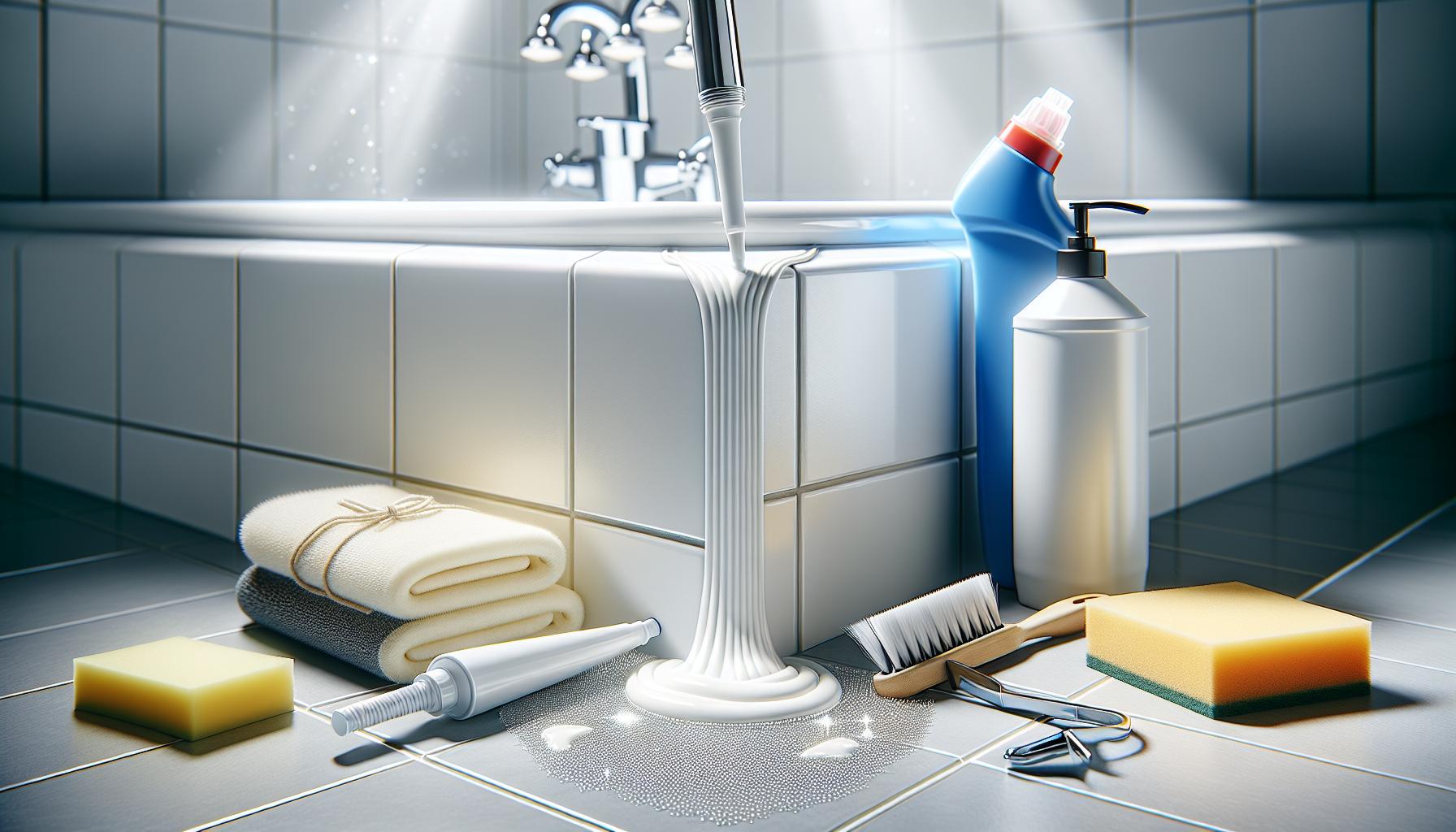

Moldy caulk can transform your once inviting bathroom into an unsightly space, diminishing its overall appeal and hygiene. Fortunately, restoring its beauty is a straightforward task that anyone can tackle with the right approach. By effectively cleaning mold from your caulk, you not only enhance the look of your bathroom but also prevent potential health hazards associated with mold exposure.
Understanding the importance of maintaining clean caulk goes beyond aesthetics; it directly impacts your home’s air quality and your family’s well-being. If you’ve wrestled with stubborn mold and are feeling overwhelmed, don’t fret. This guide will equip you with expert techniques and actionable steps, empowering you to reclaim your bathroom’s pristine condition. Let’s get started on this transformative cleaning journey!
Prepare Your Bathroom for Mold Removal
To effectively , it’s crucial to create an environment that promotes safety and efficiency. First, ensure proper ventilation by opening windows or using fans; good airflow helps disperse moisture and encourages faster drying. Eliminating moisture is vital, as mold thrives in damp conditions. If possible, turn off water sources close to the affected area to keep humidity down.
Next, gather the appropriate supplies and ensure your workspace is ready. Before starting, protect your skin and eyes-wear gloves and goggles to prevent any irritation from mold and cleaning solutions. Remove any items from the immediate area, including toiletries, towels, and decor, to give yourself ample space to work and to avoid contaminating these items. Disinfect the surrounding surfaces with a mixture of water and a few drops of dish soap, setting the stage for a thorough cleaning.
Finally, assess the extent of the mold issue. If you spot significant growth on caulk or grouting, recognize that more robust solutions may be necessary. Knowing whether you need to scrub, replace caulking, or delve into deeper remediation methods will help you map out your next steps. Adequately preparing your bathroom not only enhances the effectiveness of mold removal strategies but also helps maintain a safe and welcoming atmosphere.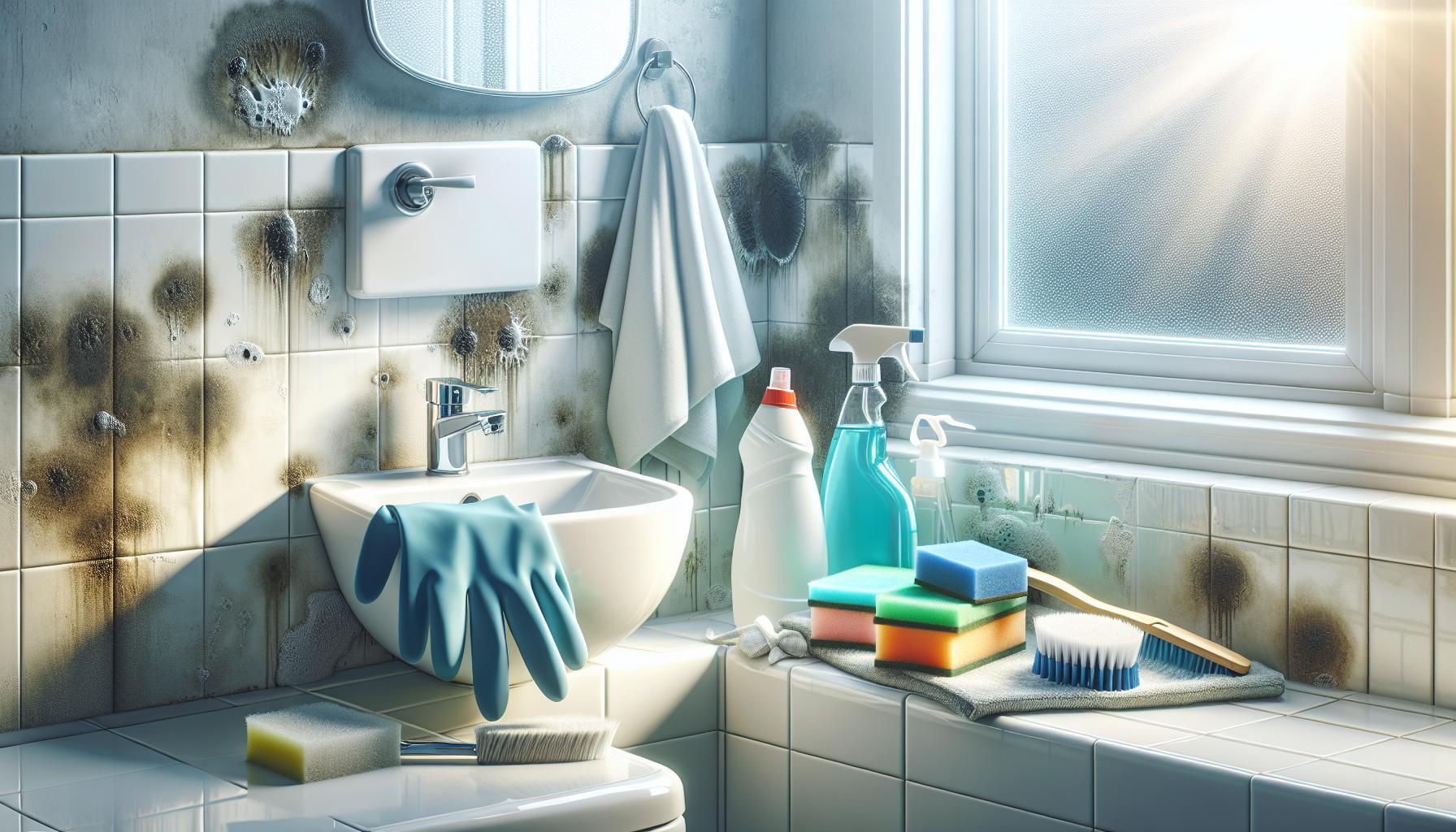
Understanding the Risks of Moldy Caulk
Moldy caulk can be more than just an eyesore; it poses serious health and structural risks that every homeowner should be aware of. Mold thrives in moist, warm environments, and bathrooms are prime candidates for such conditions. When caulk, especially around bathtubs, sinks, and showers, becomes moldy, it indicates a moisture problem that can lead to further issues, including respiratory issues for you and your family. Mold spores can easily become airborne, potentially triggering allergies and asthma symptoms. This makes addressing moldy caulk not just a matter of aesthetics, but a vital step in maintaining a healthy home environment.
Moreover, mold can compromise the integrity of your caulking and the surfaces it is meant to protect. When left untreated, mold can penetrate deeper into the caulk, leading to deterioration and necessitating more extensive repairs. Damaged caulk allows water to seep into spaces where it can cause structural damage, promoting rot and potentially expensive repairs down the line. If you have moldy caulk, it’s essential to consider not only the visible effects but also the hidden damage it could be causing.
To effectively manage the risks associated with moldy caulk, it is important to act promptly. Regular inspections of your bathroom areas prone to moisture can help catch mold growth before it escalates. If you discover mold, be proactive about removal; with the right tools and cleaning solutions, you can restore your bathroom to a clean, beautiful condition. Implementing preventive measures, such as using a mold-resistant caulk during replacements, can significantly reduce the chances of recurrence, safeguarding your home’s beauty and integrity.
Essential Tools for Effective Caulk Cleaning
To effectively tackle moldy caulk, having the right tools on hand can make all the difference between a challenging chore and a straightforward task. Proper preparation not only enhances your cleaning efficiency but also ensures that you address the mold issue comprehensively. Here’s what you need in your toolkit for successful caulk cleaning.
Start with a sturdy mold remover. This could be a commercial product specifically designed for bathrooms or a homemade solution such as a vinegar and baking soda mix. These options are effective in breaking down mold and making it easier to remove. Coupled with this, a sponge or scrubbing brush is essential for physically removing mold residues, while a toothbrush can help to reach narrower spaces between tiles and fixtures.
Don’t overlook the utility knife or caulk removal tool. These tools are indispensable for scraping away old, damaged caulk that harbors mold. Ensure you use a sharp blade to minimize your effort and time spent on this step. A plastic putty knife is perfect for gently prying without scratching surfaces during removal.
A reliable bucket or small container is also needed for mixing cleaning solutions and rinsing any sponges or brushes. Keep a pair of gloves handy to protect your skin from mold spores and harsh cleaning chemicals, and protective eyewear should be on your list for safety, particularly if you’re using strong solvents.
Lastly, a rag or microfiber cloth is crucial for drying surfaces post-cleaning and ensuring a smooth application of any new caulk. By gathering these essential tools, you set yourself up for success in restoring your bathroom’s beauty while tackling mold effectively and efficiently. With this well-equipped approach, you can confidently face the task and ensure lasting results.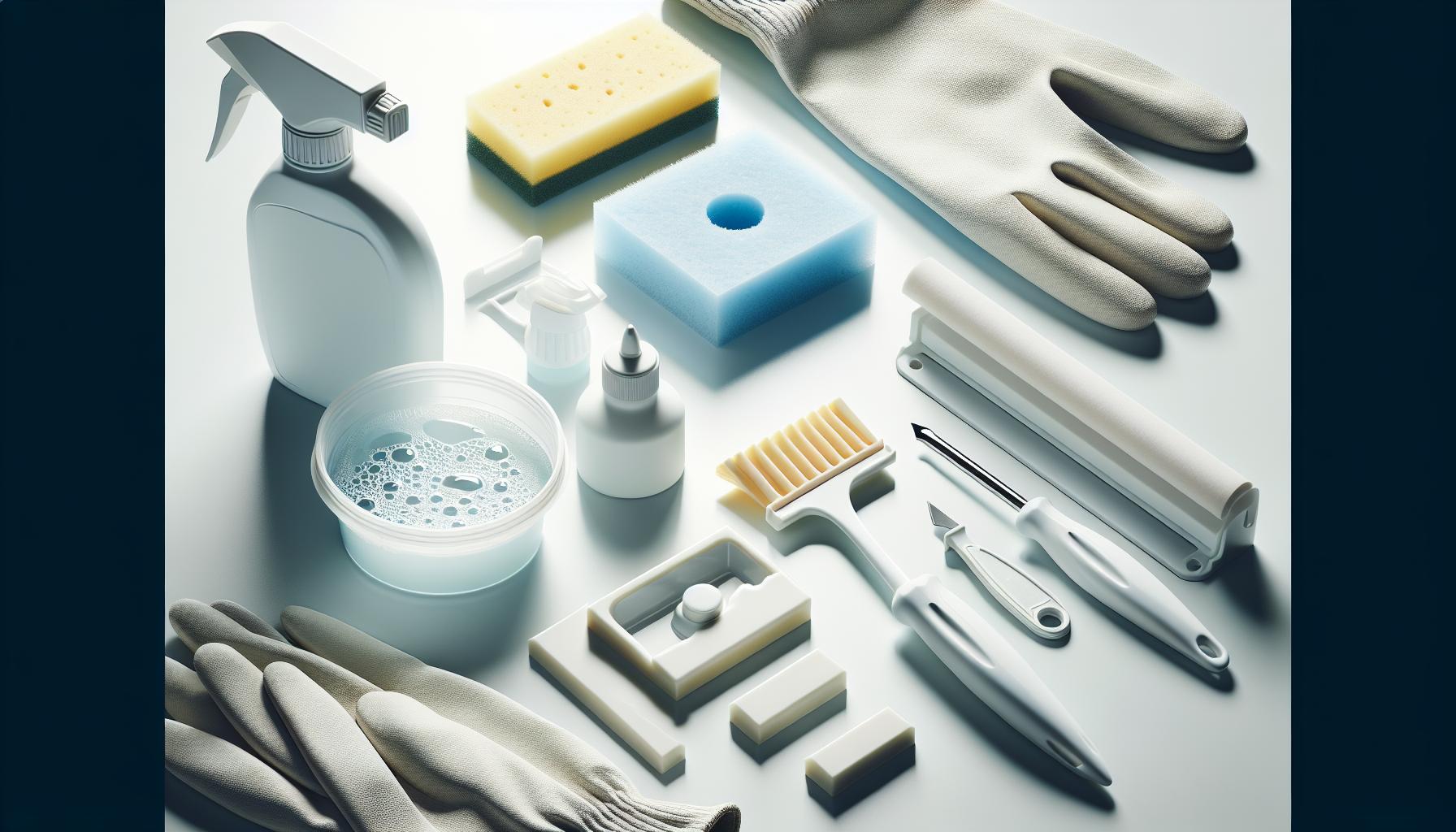
Step-by-Step Guide to Cleaning Moldy Caulk
To tackle moldy caulk effectively, begin by preparing the area. Clear any items from the surrounding space to ensure you can work efficiently without obstacles. If necessary, put down plastic sheets to catch falling debris and protect your floors. This preliminary step sets the stage for a successful cleaning process.
Start with the cleaning solution. If you’re using a commercial mold remover, follow the product instructions for proper application. For a natural option, create a paste using equal parts vinegar and baking soda, which deodorizes and breaks down mold effectively. Apply the solution directly onto the moldy caulk using a sponge or cloth, ensuring thorough coverage. Allow it to sit for at least 10-15 minutes so that it has time to penetrate and loosen the mold.
Next, it’s time to scrub. Using a scrubbing brush or an old toothbrush, gently scrub the caulk in circular motions. Focus on stubborn areas where mold is thickest; this technique consistently removes even the most persistent stains. Rinse the brush frequently in clean water to avoid redepositing mold particles. If you encounter particularly tough spots, apply more solution and let it sit longer before scrubbing again.
After scrubbing, rinse the area with clean water. Use a damp cloth to wipe away any residue from the cleaning solution, ensuring that no cleaner remains on the surface. Dry the area thoroughly with a rag or microfiber cloth to prevent new mold growth. If the caulk remains discolored or pitted, you may need to remove and replace it entirely, a task that will be addressed in the upcoming section.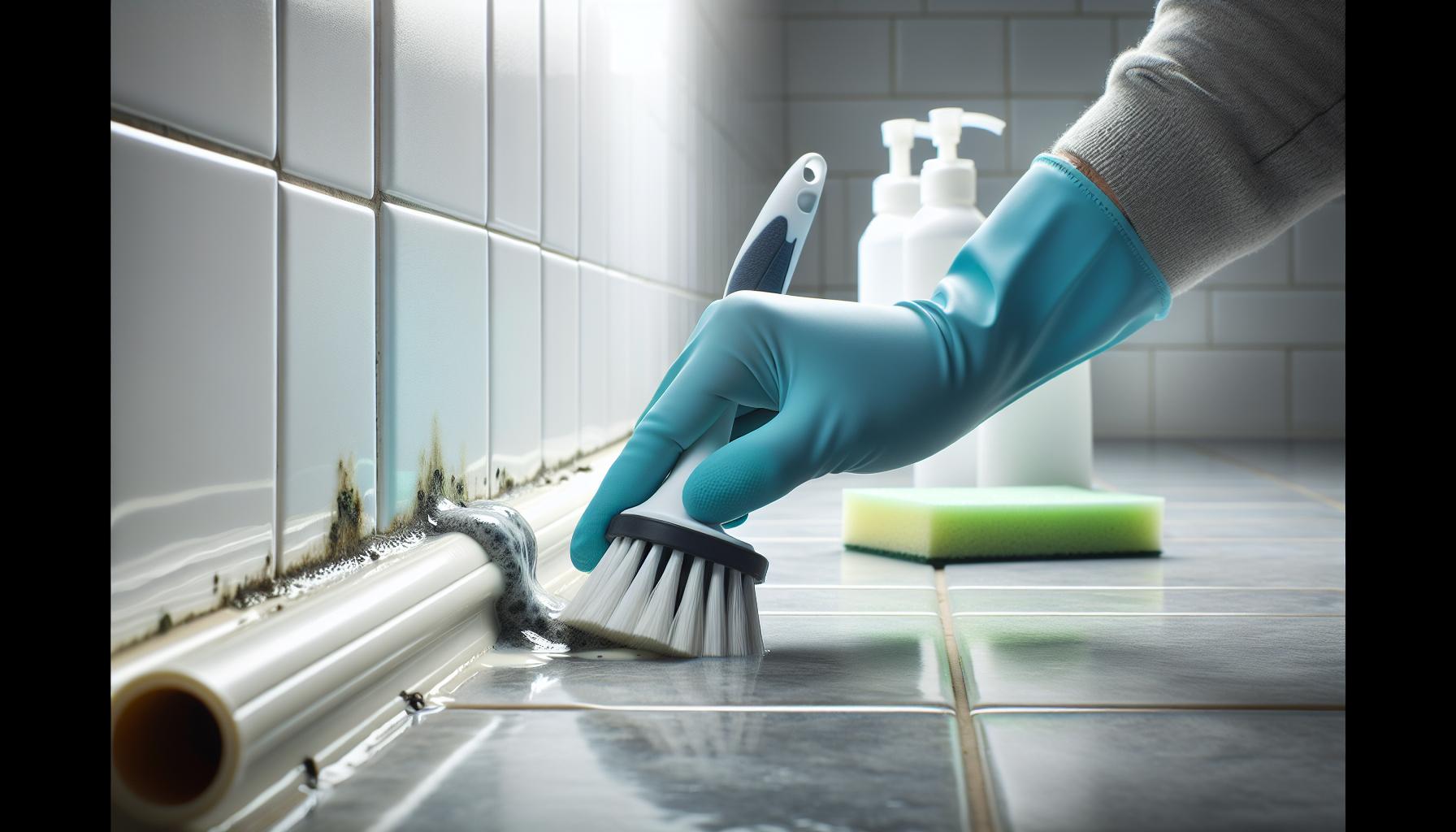
Choosing the Right Cleaning Solution
is critical when tackling the problem of moldy caulk in your bathroom. With a plethora of options available, understanding their strengths and applications will make a significant difference in your cleaning effectiveness. Most commercial mold removers contain potent antifungal agents that target mold at its root. When selecting one, look for products with ingredients such as hydrogen peroxide or sodium hypochlorite, as these are highly effective in killing mold spores and preventing regrowth. Always follow the manufacturer’s instructions for safe and effective usage to ensure optimal results.
For those who prefer natural alternatives, vinegar and baking soda are proven all-stars in mold removal. Create a paste using equal parts of white vinegar and baking soda; this combination not only breaks down mold but also deodorizes the area. Apply the paste generously to the stained caulk and allow it to sit for about 10-15 minutes-this wait is crucial as it gives the solution time to penetrate deeper layers of mold. When you’re ready, scrub with a firm brush, focusing especially on discolored areas, and watch how these natural ingredients lift the unsightly stains.
If you discover stubborn mold that resists both commercial and natural solutions, consider a more potent option like oxygen bleach. Unlike traditional chlorine bleach, oxygen bleach is gentler on surfaces and safer for your health and environment. Mix it according to package directions, apply it to the caulk, and let it sit as directed. Not only will it remove existing mold, but it will also help lighten any dark stains, making the caulk look almost new again.
In summary, selecting the right cleaning solution sets the foundation for successful mold removal. Whether you opt for a commercial product or a DIY natural remedy, the effectiveness lies in how well these solutions are applied and allowed to work. Proper preparation and technique will restore not just the appearance of your caulk, but also the hygiene of your bathroom.
Safe Removal of Old, Moldy Caulk
To effectively tackle the removal of old, moldy caulk, it’s crucial to approach the task with both the right mindset and tools. Moldy caulk not only detracts from your bathroom’s aesthetics but can also pose health risks due to mold spores. Begin your process by gathering necessary tools, including a utility knife, caulk remover tool, and safety goggles. These will be your allies in maneuvering through this cleaning endeavor safely and effectively.
Start by softening the old caulk. Apply a specialized caulk remover according to the manufacturer’s instructions for optimal results. This will facilitate easier cutting and removal. Once the caulk softens, carefully use a utility knife to cut along the edges of the caulk bead. Be cautious to avoid damaging the surfaces underneath. This technique consistently removes even stubborn caulk without extensive scrubbing or damage to the surrounding area.
Once you’ve removed the majority of the caulk, use a caulk remover tool to lift any remaining residue. Ensure you clean up any leftover bits, as even small fragments can harbor mold spores. After the old caulk is entirely detached, wipe the area with a damp cloth to remove dust and debris, and allow it to dry completely. This preparation is essential before applying new caulk, as it ensures a secure bond and prevents future mold growth. Properly executed, this method will restore your bathroom’s beauty and hygiene, making it a well-prepared canvas for fresh caulk application.
Preventing Future Mold Growth in Your Bathroom
To maintain a beautiful and mold-free bathroom, proactive measures are essential. Mold thrives in damp, dark spaces, so your first line of defense is ensuring proper ventilation. Always use exhaust fans while showering and leave them running for at least 30 minutes afterward to reduce humidity levels. If your bathroom lacks a fan, consider installing one or leaving windows open when weather permits. Proper airflow is critical to preventing moisture accumulation.
Choosing the right materials during your bathroom renovation can also thwart mold growth. Opt for mold-resistant paints and caulks, specifically designed to inhibit mold accumulation. These products contain antimicrobial agents that actively resist mold and mildew, ensuring longevity and cleanliness in your bathroom. When applying caulk, ensure the surfaces are completely dry and clean. This attention to detail promotes a solid bond that is less susceptible to mold infiltration.
Regular maintenance routines are vital in keeping your bathroom mold-free. Establish a habit of inspecting and cleaning surfaces weekly. Pay close attention to corners, the base of sinks, and areas around the tub where water may gather. Use a mixture of vinegar and water for routine cleaning; this not only cleans but also disinfects without harsh chemicals. Keep an eye out for any signs of mold and treat them immediately with a mixture of water and bleach or a specialized mold remover.
Lastly, investing in a dehumidifier can make a significant difference in high-humidity areas. Aim for a humidity level of 30-50% in your bathroom. The addition of a dehumidifier not only creates an unwelcoming environment for mold spores but also enhances overall air quality. By taking these preventive steps, you are not only safeguarding your bathroom’s aesthetic but also protecting your family’s health from the risks associated with mold exposure.
Transforming Your Bathroom with New Caulk
The appearance of fresh caulk can dramatically transform your bathroom, creating a clean, polished look that is not just aesthetically pleasing but also essential for maintaining hygiene. Replacing moldy caulk with new sealant not only enhances the visual appeal of the space but also serves as a vital barrier against moisture, a known culprit for mold proliferation. When the caulk in your bathroom is old, discolored, or harboring mold, it significantly detracts from the overall beauty and could even impact your home’s value.
To begin the transformation, first and foremost, select a high-quality, mold-resistant caulk designed specifically for bathrooms. This type of caulk often contains antimicrobial properties, which actively repel mold and mildew. Ensure the surfaces are clean and dry before application. Remove any old caulk thoroughly using a caulk remover tool or a utility knife, taking care to scrape away any residues and moisture-damaged surfaces. A well-prepared surface will enhance adhesion and longevity, effectively fighting future mold growth.
When applying the new caulk, use a caulking gun for precise application. Hold the gun at a 45-degree angle and apply steady pressure while moving along the seam in one continuous motion. This technique ensures a smooth, even bead that not only looks professional but also forms an effective seal against water infiltration. After applying the caulk, smooth the bead with a wet finger or a caulk-smoothing tool to remove any excess and create a neat finish. Allow the caulk to cure for the time recommended by the manufacturer, usually at least 24 hours, to ensure a strong and lasting seal.
Once you’ve finished your caulk application, the impact on your bathroom will be immediately noticeable. The combination of a fresh, clean look and effective moisture barriers contributes to a healthier environment, minimizing the risk of mold growth. By taking these proactive steps, you not only improve the aesthetics of your bathroom but also safeguard your home and enhance its market value, offering both form and function in one simple project.
Expert Tips for Long-Lasting Results
To ensure that your freshly caulked areas remain mold-free and maintain their pristine appearance for as long as possible, you must adopt some best practices. These expert insights will not only improve the longevity of your caulk but also enhance the overall hygiene of your bathroom.
First, always keep ventilation in mind. A well-ventilated bathroom significantly reduces moisture buildup, which is a prime contributor to mold growth. Use an exhaust fan during and after showers, and consider leaving the bathroom door or window open for a while afterward. This simple step can dramatically decrease humidity levels, creating an environment less conducive to mold.
Regular upkeep is crucial. After you’ve replaced the caulk, wipe down the shower and surrounding areas using a squeegee after each use to prevent water from collecting in nooks and crannies. Incorporate a weekly cleaning routine that includes a mild cleaning solution with vinegar or baking soda. These natural agents are effective for combating mold without the harsh effects of chemical cleaners, making it safe for your new caulk.
Additionally, pay attention to any signs of wear over time. If you notice discoloration or a musty smell, don’t wait. Act promptly by cleaning the affected area with a mixture of one part bleach to ten parts water, ensuring proper ventilation while you work. Always remember to apply a mold-resistant sealant during initial installation, but if your space experiences excessive humidity, consider upgrading to a higher-grade option for added protection.
In summary, maintaining new caulk is about prevention and regular care. With attention to ventilation, ongoing cleaning, and timely maintenance, your bathroom can stay looking sharp and fresh while effectively resisting mold. Embrace these habits, and you’ll enjoy your beautifully caulked bathroom for the long haul.
Maintaining a Fresh and Clean Bathroom Environment
Maintaining a clean and fresh bathroom environment goes beyond just aesthetic appeal; it plays a crucial role in your health and overall home hygiene. Did you know that the bathroom is one of the most humid areas in a house, making it a prime breeding ground for mold and mildew? This is why implementing a diligent cleaning routine is essential to prevent buildup and potential health hazards.
Start by establishing a consistent cleaning schedule. A weekly scrub down of all bathroom surfaces with a mold-inhibiting cleaner can significantly reduce the chances of mold growth. Pay special attention to areas prone to moisture accumulation, such as the grout between tiles and the insides of your bathtub. Use a combination of warm water and a few drops of dish soap or a specialized bathroom cleaner to ensure all surfaces remain spotless. After cleaning, dry the surfaces with a microfiber cloth to remove any residual moisture, which is vital in preventing mold recurrence.
In addition to regular cleaning, make a habit of ventilating your bathroom whenever possible. Open windows or run an extractor fan during and after showers to lower humidity levels. Consider investing in a dehumidifier if your bathroom lacks adequate airflow. This equipment can be a game-changer for maintaining a dry and clean environment, especially in smaller or poorly ventilated bathrooms.
Lastly, keep an eye on the caulk and grout seals around showers and tubs. As discussed previously, these areas are susceptible to mold if not properly maintained. Inspect them regularly for signs of wear or discoloration and clean any visible mold promptly. Incorporating mold-resistant products during re-caulking or grouting can further protect your bathroom from future issues, ensuring it remains a fresh and inviting space. With these proactive cleaning habits, you can enjoy a mold-free bathroom that looks great and feels even better.
Alternative Solutions for Caulk Protection
The key to maintaining a mold-free bathroom lies in proactive protection strategies, particularly when it comes to caulk. Mold thrives in damp environments, so applying alternative solutions can create a barrier against moisture and minimize mildew growth. Here are several effective methods to consider.
Start by replacing traditional caulk with mold-resistant caulk. This specially formulated caulk contains antimicrobial agents that actively inhibit mold growth. When re-caulking, ensure that you thoroughly clean the area to remove any residues or existing mold. Applying the mold-resistant caulk in a smooth, consistent bead will not only enhance the aesthetic but also seal gaps effectively. Use a caulking gun for precision, and smooth the caulk with a finger or a caulk finishing tool for a seamless finish.
Incorporating silicone-based caulk is another excellent option. Unlike acrylic-based caulks that can absorb moisture, silicone caulk is water-resistant and flexible, making it less prone to cracking. This flexibility allows it to expand and contract with temperature changes, which is crucial in a bathroom setting. When selecting silicone caulk, look for products labeled as “mildew-resistant” for added protection.
Moreover, regular maintenance is essential. Set a routine to inspect the caulked areas every few months for any signs of wear or mold. If you spot mold or discoloration, clean it promptly using a mixture of water and vinegar, or a mold-specific cleaner. Keeping surfaces dry is vital; after showers, wipe down tiles and fixtures to remove excess moisture, and keep the bathroom well-ventilated with exhaust fans or open windows to reduce humidity levels.
Finally, consider the use of caulk seals or spray protectants. These products create an additional layer of protection by repelling water and making the surface less hospitable to mold. Apply these protectants regularly to enhance the lifespan of your caulk and maintain a clean bathroom look. By adopting these proactive measures, you can effectively safeguard your bathroom from mold and enjoy a fresh, welcoming space.
The Impact of Clean Caulk on Home Value
Maintaining pristine caulk in your bathroom can significantly enhance your home’s value, transforming it from a neglected space into a desirable feature for potential buyers. First impressions are crucial, especially in high-traffic areas like the bathroom. When prospective buyers see clean, well-maintained caulk, it signals that the home has been cared for, thus reflecting its overall condition.
Fresh, mold-free caulk not only improves aesthetics but also indicates to buyers that the home is free from moisture issues, which can lead to serious problems like mold and structural damage. Homes with signs of neglect, such as discolored caulk or visible mold growth, can deter potential buyers or result in lower offers. In contrast, investing time in removing old caulk and applying new, mold-resistant varieties can yield impressive returns. Here’s how clean caulk impacts home value:
- Visual Appeal: Clean, vibrant caulk enhances bathroom appearance, making it look inviting and modern.
- Perceived Maintenance: A spotless bathroom with fresh caulk reflects meticulous upkeep, increasing buyer confidence.
- Reduced Future Repair Costs: By preventing mold growth and water damage, updated caulk reduces potential maintenance costs, which buyers appreciate.
- Competitive Advantage: In competitive markets, an aesthetically pleasing bathroom can set your home apart, leading to quicker sales and better offers.
Investing in clean caulk isn’t just about appearance; it’s a strategic move to maximize your property’s value. Moreover, when listing your home, highlighting the recent updates, including sparkling new caulk, can greatly enhance marketing efforts by addressing common concerns associated with bathroom maintenance. By prioritizing such seemingly small tasks, you can make a significant impact on the perceived value of your home in the real estate market.
To Conclude
Transform your bathroom by tackling moldy caulk today! With easy-to-follow methods, you can restore the beauty of your space and prevent the return of unsightly mold. Remember, the right cleaning products make all the difference-choose those specifically designed for tough stains. To maintain your efforts, regularly inspect caulk areas for signs of mold and take swift action to address any issues.
Ready to take the next step? Check out our guides on “Maintaining a Mold-Free Bathroom” and “Choosing the Right Cleaning Supplies” to keep your bathroom looking pristine. Don’t forget to subscribe to our newsletter for more expert tips and exclusive offers! Experience the satisfaction of a spotless bathroom and join our community of clean enthusiasts-share your success stories in the comments below and inspire others!
Get our latest guides, news, and insights highlighted in your Google Search & AI Overviews.


