
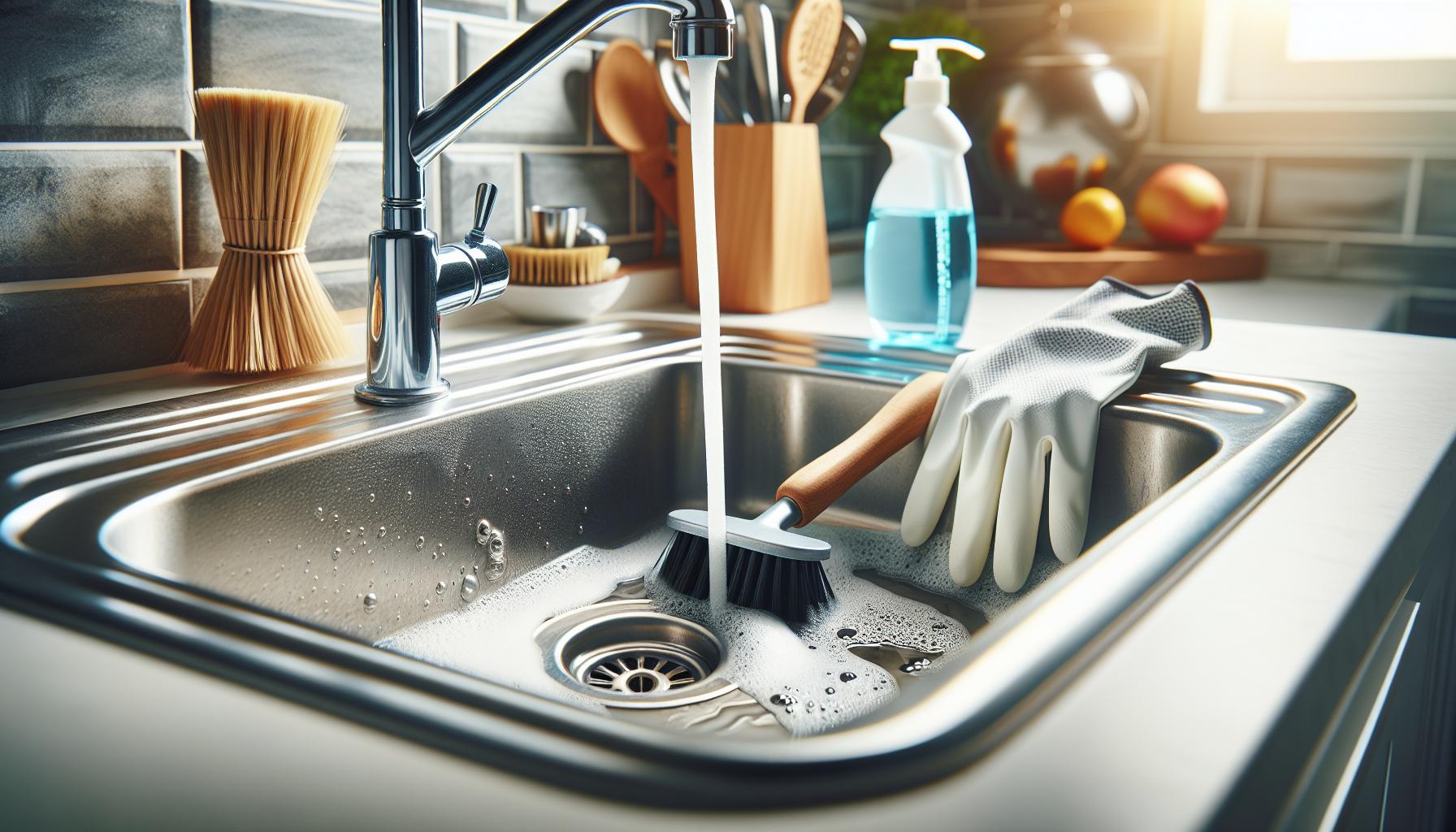

A clean kitchen sink drain pipe is essential for maintaining a fresh-smelling kitchen and ensuring smooth water flow. Did you know that a buildup of food particles and grease can lead not only to unpleasant odors but also to clogs over time? Regularly cleaning your sink drain pipe isn’t just about aesthetics; it dramatically improves functionality and keeps your home healthier.
This guide will empower you with effective, natural techniques that can tackle even the most stubborn grime without harsh chemicals. By understanding the step-by-step process to clean your kitchen sink drain pipe, you’ll not only eliminate lingering scents but also extend the life of your plumbing. Join me as we explore straightforward solutions that can transform your kitchen into a more pleasant space, allowing you to cook and entertain with confidence. Continue reading to discover how simple it is to achieve an odor-free flow in your kitchen sink!
Understanding Kitchen Sink Drain Odors and Their Causes
Sometimes, the most unpleasant household odors can be traced back to our kitchen sinks. Understanding the causes of these odors is crucial for effective cleaning and maintenance. Typically, foul smells emanating from sink drains result from a combination of factors, including food residue, grease buildup, bacterial growth, and even plumbing issues. When food scraps or grease enter the drain and settle, they create a fertile breeding ground for bacteria, leading to the development of odor-causing compounds.
Another common culprit is the P-trap-an essential plumbing component designed to trap debris and prevent sewer gases from entering your home. If the P-trap becomes clogged or dry, it can no longer perform this function effectively, leading to unpleasant odors. Additionally, improper disposal of certain items, such as fibrous vegetables or coffee grounds, can contribute to buildup that exacerbates the issue. As you consider your cleaning routine, knowing these causes allows you to tailor your approach to ensure persistent odors are eliminated for good.
By addressing the underlying causes and implementing consistent cleaning practices, you can not only neutralize nasty smells but also promote a healthier kitchen environment. Simple steps taken regularly-like flushing the system with hot water or utilizing homemade cleaning solutions-can go a long way toward keeping your kitchen sink odor-free. Remember, proactive maintenance is your best defense against stubborn kitchen sink odors, ensuring a fresh and pleasant cooking space.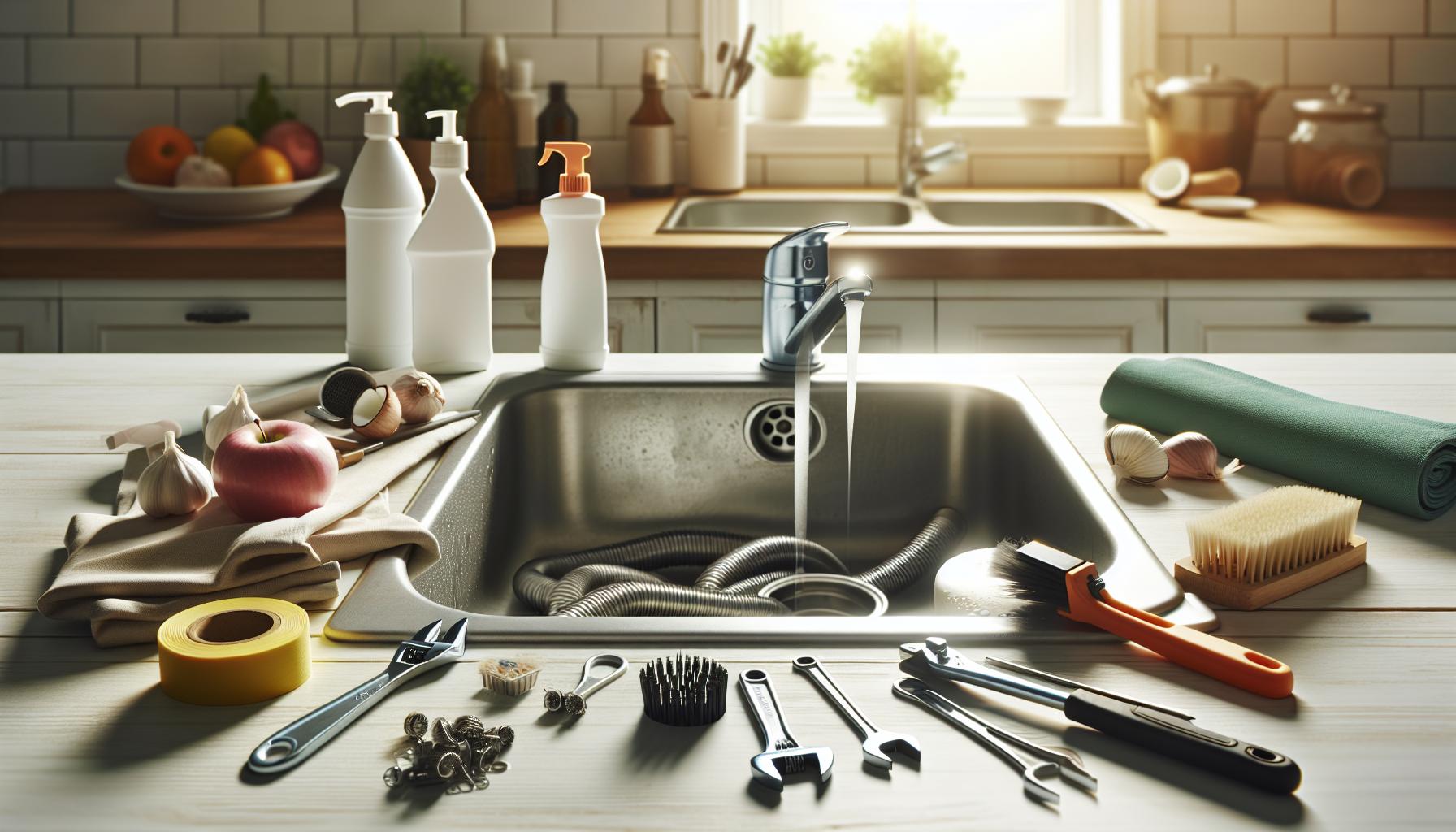
Essential Tools for Efficient Sink Drain Cleaning
To effectively tackle sink drain issues and maintain an odor-free flow, it’s crucial to have the right tools on hand. Proper equipment not only speeds up the cleaning process but also enhances your ability to address stubborn clogs and buildup that contribute to unpleasant odors.
Start with a plumber’s snake or drain auger. This flexible device is perfect for reaching deep clogs and navigating the twists of your drain pipes, allowing for the removal of debris that traditional cleaning methods might miss. The drain cleaning tool is an essential ally in your quest for clear water flow; its spiral metal blade effectively grabs hold of hair and other difficult-to-remove substances. For those tricky bends and curves in your plumbing, consider a flexible drain cleaning brush. Its long reach and bristles make it ideal for dislodging and collecting clogs caused by grease and food remnants.
In addition to these tools, a set of plumbing wrenches will empower you to tighten or loosen any fittings necessary during your cleaning efforts. It’s also wise to have a bucket ready to catch any residual water or debris that may spill as you work. Alongside these tools, stock some gloves and safety glasses for personal protection against sharp objects or chemicals you may encounter. Preparedness is key; having these items readily available eliminates downtime during your cleaning process.
Lastly, don’t overlook common household items like baking soda and vinegar. They are not only environmentally friendly but also remarkably effective at breaking down minor clogs and neutralizing odors. Regular use of these items can keep your drains in tip-top shape and significantly contribute to a fresher kitchen environment. By equipping yourself with these essential tools and materials, you’re setting the stage for successful and efficient sink drain maintenance.
Step-by-Step Guide to Remove the Drain Pipe
To tackle the task of removing your kitchen sink drain pipe effectively, start by ensuring you’re prepared and organized. This method is essential not only for unclogging purposes but also for thorough cleaning to eliminate any odor-causing residues. Here’s how to execute this step efficiently and confidently.
Begin by gathering your tools: a set of plumbing wrenches, a bucket, and some absorbent towels to catch any spills. With everything in place, turn off the water supply to the sink. Ensure that the sink is clear of dishes and debris. Next, place the bucket beneath the drain pipe to catch any water or waste that may come loose during the process.
Now, locate the coupling nut that connects the drain pipe to the sink strainer. Using your plumbing wrench, loosen the nut by turning it counterclockwise. If it’s too tight, consider using a second wrench to hold the strainer in place, preventing it from twisting while you loosen the nut. Once loosened, carefully disconnect the drain pipe from the strainer. Remember, some water may spill out, so be prepared with your bucket and towels.
With the drain pipe removed, inspect it for any buildup or clogs. If you see significant debris, deploy a plumber’s snake to reach deeper clogs. Insert the snake into the pipe and rotate it to grab and pull out any obstructions. After clearing out the pipe, rinse it thoroughly with hot water to ensure it’s free of any lingering grease or food particles. Reattach the drain pipe by reversing your disassembly steps-tightening the coupling nut securely to prevent leaks. With these steps, your kitchen sink will be well on its way to a cleaner and odor-free flow.
How to Disassemble and Clean the Drain Trap
To effectively eliminate unpleasant odors and prevent clogs in your kitchen sink, cleaning the drain trap is a vital step. This often-overlooked component collects debris, grease, and food particles, making it a prime spot for foul smells to develop. Fortunately, disassembling and cleaning the drain trap is a straightforward task that can save you from costly plumbing repairs and keep your kitchen fresh.
Start by placing a bucket underneath the drain trap to catch water and debris during disassembly. Using a pair of channel lock pliers, carefully loosen the slip nuts that secure the trap. It’s essential to turn the nuts counterclockwise, and if you encounter resistance, apply gentle pressure while ensuring you don’t damage the pipes. Once loosened, slowly remove the trap and pour any collected water into the bucket. Inspect the interior for buildup; if you see grime or sludge, it’s time to clean.
With the trap removed, use a brush with stiff bristles-like an old toothbrush or a specific plumbing brush-to scrub the interior surfaces. Focus on areas with visible corrosion or buildup, as these harborage spots contribute significantly to unpleasant odors. Rinse the trap with hot water to wash away any remaining debris, and you can even run a mixture of vinegar and baking soda through it for a natural cleaning boost. The reaction between the two will help break down any lingering smells and grime.
Finally, reassemble the drain trap by reversing the disassembly steps. Tighten the slip nuts securely by hand, but avoid over-tightening, as this can crack PVC pipes. Once reattached, run hot water through the sink for a minute to check for leaks. Regularly cleaning your drain trap every few months will help maintain an odor-free and smoothly draining kitchen sink. By incorporating this task into your cleaning routine, you’ll ensure a fresh and efficient kitchen environment.
Best DIY Solutions for Stubborn Clogs and Odors
Stubborn clogs and persistent odors in kitchen sink drains can be a real nuisance, but with the right DIY solutions, you can restore freshness and functionality with minimal hassle. One of the most effective approaches begins with hot water. Pour a pot of near-boiling water down the drain to melt away grease and eliminate minor clogs; the heat loosens gunk effectively. If that doesn’t completely clear the blockage, follow up with a mixture of baking soda and vinegar. Pour half a cup of baking soda directly into the drain, followed by half a cup of vinegar. Allow this to fizz for about 15 minutes before flushing it with hot water. This combination not only clears clogs but also neutralizes odors.
For more persistent clogs, consider using a handheld, flexible drain auger. Insert the auger into the drain and turn the handle while pushing it further down. This technique breaks up tough clogs made of food debris and grease that might resist other methods. It’s an excellent tool to have on hand if you regularly encounter blockages. Once you’ve cleared the clog, be sure to clean the drain trap more thoroughly; this helps ensure that any remnants that could cause odors are removed.
Maintaining an odor-free sink isn’t just about immediate fixes-it’s also about establishing a preventive routine. Regularly flushing your drain with hot water can help maintain clear, functional plumbing. Additionally, using a simple mixture of lemon juice and salt can help keep drains smelling fresh. Pour half a cup of salt followed by half a cup of lemon juice into the drain, let it sit for at least an hour, and then flush with hot water. The acidity of the lemon disinfects and neutralizes odors, while the salt encourages any lingering particles to dislodge.
Always remember to avoid problematic substances like coffee grounds, which can solidify and contribute to clog formation over time. Implementing these straightforward solutions will empower you to tackle stubborn clogs and unpleasant odors effectively, ensuring your kitchen sink remains a clean, welcoming space for meal preparation and daily cleanup.
Using Baking Soda and Vinegar for a Fresh Flow
Stubborn smells from your kitchen sink can signal a buildup of debris, grease, and grime deep within the drain. Fortunately, a simple remedy that harnesses the power of baking soda and vinegar can effectively address this problem. This dynamic duo not only unclogs drains but also neutralizes unpleasant odors, making it a favorite among DIY cleaning enthusiasts.
Start by preparing your workspace. Gather 1/2 cup of baking soda, 1/2 cup of vinegar, and a pot of boiling water. The hot water is essential as it helps dislodge gunk before you introduce the baking soda and vinegar. Begin the process by pouring the boiling water directly down the drain, which starts to break down any grease and loosens debris stuck within the pipe.
Next, pour 1/2 cup of baking soda into the drain. Using a funnel can ensure that all the baking soda reaches the drain and doesn’t create a mess. Follow this up with 1/2 cup of vinegar. As soon as the vinegar hits the baking soda, you’ll notice fizzing and bubbling-a clear indication that a reaction is taking place. This effervescent reaction works to break up stubborn clogs and eliminates odors as it cleans the pipes. Allow the mixture to sit and fizz for about 15 minutes to maximum effect.
After the fizzing has subsided, flush the drain with another pot of boiling water. This final step ensures that any loosened debris is washed away, leaving your pipes clear and fresh. Repeating this process once a month can keep odors at bay and maintain optimal drainage flow, ensuring your sink is a clean and welcoming space for all your culinary activities.
Preventive Maintenance Tips for Odor-Free Drains
Staying ahead of kitchen sink odors is not just about quick fixes; it’s about establishing a routine that prevents unpleasant smells from taking root in the first place. Regular maintenance is key to ensuring that your kitchen sink remains a clean and inviting space. By incorporating a few simple practices into your cleaning regimen, you can effectively keep your drains odor-free and functioning optimally.
Start by using a fine mesh strainer or drain cover to catch food particles and debris before they enter the drain. This simple barrier helps prevent buildup and clogging, reducing the likelihood of foul odors. After each use, rinse the strainer and dispose of the trapped debris, keeping your sink cleaner and minimizing potential trouble for your pipes.
Additionally, consider pouring a pot of boiling water down your sink on a weekly basis. This practice dissolves grease that might have accumulated and flushes away residue that can contribute to odors. For an extra boost, follow up with a monthly treatment of baking soda and vinegar. This combination works wonders to neutralize smells and keep your pipes clear, creating a clean slate that effectively resists future buildup.
Finally, be mindful of what goes down your drain. Avoid disposing of oil, fat, or fibrous vegetables, as these can cling to the sides of your pipes, leading to an accumulation that generates unpleasant odors. By adhering to these preventive measures, you can maintain an odor-free kitchen drain that supports a healthy and pleasant cooking environment.
When to Call a Professional for Sink Drain Issues
Sometimes, despite your best efforts, your kitchen sink drains can still present persistent issues that require professional intervention. Recognizing when it’s time to call in the experts can save you not only frustration but also time and money. If your DIY cleaning methods-like baking soda and vinegar treatments-have failed to eliminate stubborn odors or clogs, don’t hesitate to reach out to a plumber. A lingering smell or slow drain indicates a deeper issue that may involve a blockage beyond your reach, such as inside the pipes or further down the sewer line.
Another red flag is gurgling sounds coming from your sink. This noise often suggests that air is trapped in the pipes, potentially due to a more significant clog or venting issue. Ignoring these sounds can lead to more severe drainage problems and possibly damage your plumbing system. Additionally, if you notice water backups into other fixtures, like your bathtub or toilet, it’s a strong signal that you should consult a professional. This situation often points to a blockage in your main drain line, which requires specialized tools and expertise to resolve effectively.
Don’t forget to take into account the age and type of your plumbing fixtures. Older pipes, especially those made of metal or clay, may corrode or collapse over time. If you find yourself frequently addressing drain issues, it might be wise to seek a professional assessment of your entire plumbing system. A qualified plumber can offer insights into whether it’s time for repairs or a complete replacement to ensure a functional and odor-free kitchen.
Finally, if the thought of tackling your plumbing issue alone feels overwhelming, it’s perfectly reasonable to seek professional help from the start. Professionals are equipped with advanced tools and techniques that ensure problems are resolved correctly and safely, saving you the hassle and potential hazards of DIY methods. Don’t let drain issues disrupt your peace of mind-knowing when to call the pros is a key part of maintaining a clean and functional kitchen space.
Natural Remedies to Keep Your Drain Fresh
To maintain a fresh and odor-free kitchen sink drain, employing natural remedies is not only effective but also safe for your plumbing and the environment. One of the simplest methods involves using ingredients that you likely already have in your kitchen, making this process both accessible and budget-friendly. The key to preventing unpleasant smells and clogs lies in regular maintenance and utilizing these natural combinations effectively.
Start by pouring a generous amount of baking soda down the drain. This common household ingredient helps to neutralize odors and can absorb moisture. Follow this with a cup of white vinegar. The reaction between baking soda and vinegar creates fizzing bubbles that effectively dislodge grime and debris stuck in the pipes. Allow the mixture to sit for at least 30 minutes, or even overnight if you’re dealing with persistent odors. Afterward, flush the drain with hot water to wash away the residue. This technique consistently eliminates even stubborn stains and helps keep your pipes clear.
Another powerful duo for drain freshness is salt and baking soda. Combine half a cup of each and pour them down the drain. Let this mixture sit for several hours before rinsing with boiling water. This method not only deodorizes but can also break down any grease buildup, making it a great preventive measure. Additionally, for those who prefer fragrant solutions, consider using lemon juice. Pouring fresh lemon juice down the drain, either alone or mixed with baking soda, leaves a refreshing scent while combating odors naturally.
Regular applications of these remedies will enhance the overall sanitation of your kitchen sink, ensuring that unpleasant odors are kept at bay. Pair these treatments with preventative practices, such as running hot water after each use and avoiding the disposal of food scraps down the drain. By integrating these natural solutions into your cleaning routine, you can enjoy a pristine, smell-free kitchen sink that operates smoothly.
Common Mistakes to Avoid During Cleaning
Cleaning your kitchen sink drain pipe is essential for maintaining a fresh kitchen environment, yet many people overlook critical steps that can hinder their efforts. A single mistake can lead to persistent odors or clogs that disrupt your cleaning routine and potentially cause plumbing problems down the line. By avoiding these common pitfalls, you can ensure a more effective and hassle-free cleaning process.
One of the most frequent errors is neglecting to gather the right tools before starting. Without essential items like a plunger, a drain snake, and a sturdy bucket, you may find yourself unprepared when faced with a stubborn clog. Always gather your cleaning supplies and tools beforehand to streamline the process and prevent frustration mid-cleaning. Another important aspect is failing to flush the drain with hot water after using cleaning solutions. Many cleaners, particularly those that rely on chemical reactions, need to be followed by hot water to wash away residues effectively. Neglecting this step can leave behind grime and odors.
Additionally, many users apply too much pressure while trying to dislodge clogs, especially when using a plunger or snake. Excessive force can harm your pipes over time, especially if they’re older or made from more delicate materials. Instead, use a steady, gentle pressure to avoid potential damage. It’s also crucial to remember the combination of homemade cleaning solutions. While vinegar and baking soda are powerful together, mixing them incorrectly or using them excessively can lead to unwanted results. Limit vinegar to a cup and baking soda to half a cup to ensure effectiveness while preserving your plumbing system.
Finally, one of the biggest mistakes people make is neglecting regular maintenance. Waiting until unpleasant odors or clogs arise can lead to a much more intensive cleaning process. To avoid this, establish a routine cleaning schedule, such as monthly treatments with hot water, vinegar, and baking soda. This preventative approach not only keeps your drain clear but also ensures that you maintain an odor-free and sanitary kitchen environment. By sidestepping these common missteps, you position yourself for success, tackling sink maintenance with confidence and achieving better results.
How to Seal Your Sink Drain for Best Results
To achieve optimal performance from your kitchen sink drain, it’s crucial to ensure it is sealed properly. A well-sealed drain minimizes the risk of leaks, prevents odors from escaping, and keeps debris from slipping into the plumbing. Here’s how to effectively seal your sink drain for the best results, ensuring you maintain an odor-free environment in your kitchen.
Start by gathering your materials. You will need a good quality plumber’s putty or silicone sealant, and a cleaning cloth. Before sealing, make sure the area around the drain is clean and dry. Remove any old putty or debris around the drain flange; this is essential for achieving a good seal.
Once the area is prepared, roll a small amount of plumber’s putty into a rope that is approximately 1/4 inch thick. Place the rope around the drain hole or flange of the sink. Make sure the putty is continuous and complete the circle, ensuring there are no gaps-this will form a barrier that prevents leaks.
Next, carefully position the drain flange into place, pressing down firmly to ensure a tight seal. As you apply pressure, some putty will ooze out-this is a sign that you’re creating a solid connection. Wipe away any excess putty with a cleaning cloth for a neat finish. If you are using silicone sealant instead, apply a bead around the drain hole and smooth it out with your finger or a sealant tool for an even application.
After sealing, reassemble any components you may have removed, such as the retaining nut and washer underneath the sink. Ensure they are tightened securely, but avoid over-tightening as this can cause damage. Allow the putty or sealant to cure as per the manufacturer’s instructions, usually a few hours, before using the sink to prevent any disruption of the seal.
Regular checks of your sink’s seal can prevent future problems. Inspect for any signs of moisture or leaks and replace the seal when necessary. By maintaining a tight seal, you not only enhance the performance of your kitchen sink drain but also protect your plumbing system from clogs and odors related to debris buildup. This proactive approach gives you peace of mind and a fresh kitchen environment, keeping your cleaning routine efficient and effective.
Maintaining Your Kitchen Sink for Long-Term Use
To keep your kitchen sink in peak condition over the long haul, regular maintenance is essential. Routine care not only extends the lifespan of your sink but also ensures that it remains odor-free and hygienic. One of the most effective strategies involves a consistent cleaning schedule that includes both the visible parts of the sink and the often-neglected drain. A well-maintained drain helps prevent clogs and the accompanying unpleasant smells.
To start, clean your sink daily. After washing dishes, run hot water down the drain to help dissolve any lingering food particles. Once a week, use a simple solution of baking soda and vinegar. Pour about half a cup of baking soda into the drain, then follow it with a half-cup of vinegar. The bubbling reaction not only refreshes the drain but also helps dislodge residue.
Inspect and Repair Regularly
Be vigilant in inspecting seals and components underneath the sink. Check for leaks or signs of wear on the plumbing connections and fittings. If you notice any moisture accumulation or corrosion, address it immediately-this can help prevent more significant problems down the road. Additionally, replace any worn-out components such as washers or seals to maintain a proper fit and prevent leaks.
Establishing a decluttering habit around your sink can significantly improve its longevity. Reduce the presence of clutter on your sink’s surface, as this not only makes cleaning easier but also discourages the buildup of grime that attracts pests and odors. Every month, take a few moments to clean the area beneath the sink, removing any stray items or spills.
By integrating these practices into your cleaning routine, you’ll not only enjoy a fresh and functional kitchen sink but also create a healthier environment for your family. Regular cleaning, timely inspections, and minimizing clutter can go a long way in achieving a durable, odor-free sink that meets the demands of daily kitchen activity.
In Retrospect
Now that you’ve mastered how to clean your kitchen sink drain pipe for an odor-free flow, it’s time to put those skills to use! Regular maintenance not only keeps unpleasant smells at bay but also prolongs the life of your plumbing. If you encounter stubborn clogs, consider exploring our guide on “Effective Drain Unclogging Techniques” or learn more about “Essential Kitchen Cleaning Tips” to enhance your cleaning arsenal.
Don’t forget to subscribe to our newsletter for more cleaning hacks and exclusive resources designed to help you tackle household challenges with confidence. Your questions and thoughts matter, so leave a comment below or share your experience! Address any lingering concerns and dive deeper into our comprehensive articles to keep your home fresh and functional. Act now and enjoy a cleaner, more inviting kitchen every day!
Get our latest guides, news, and insights highlighted in your Google Search & AI Overviews.


