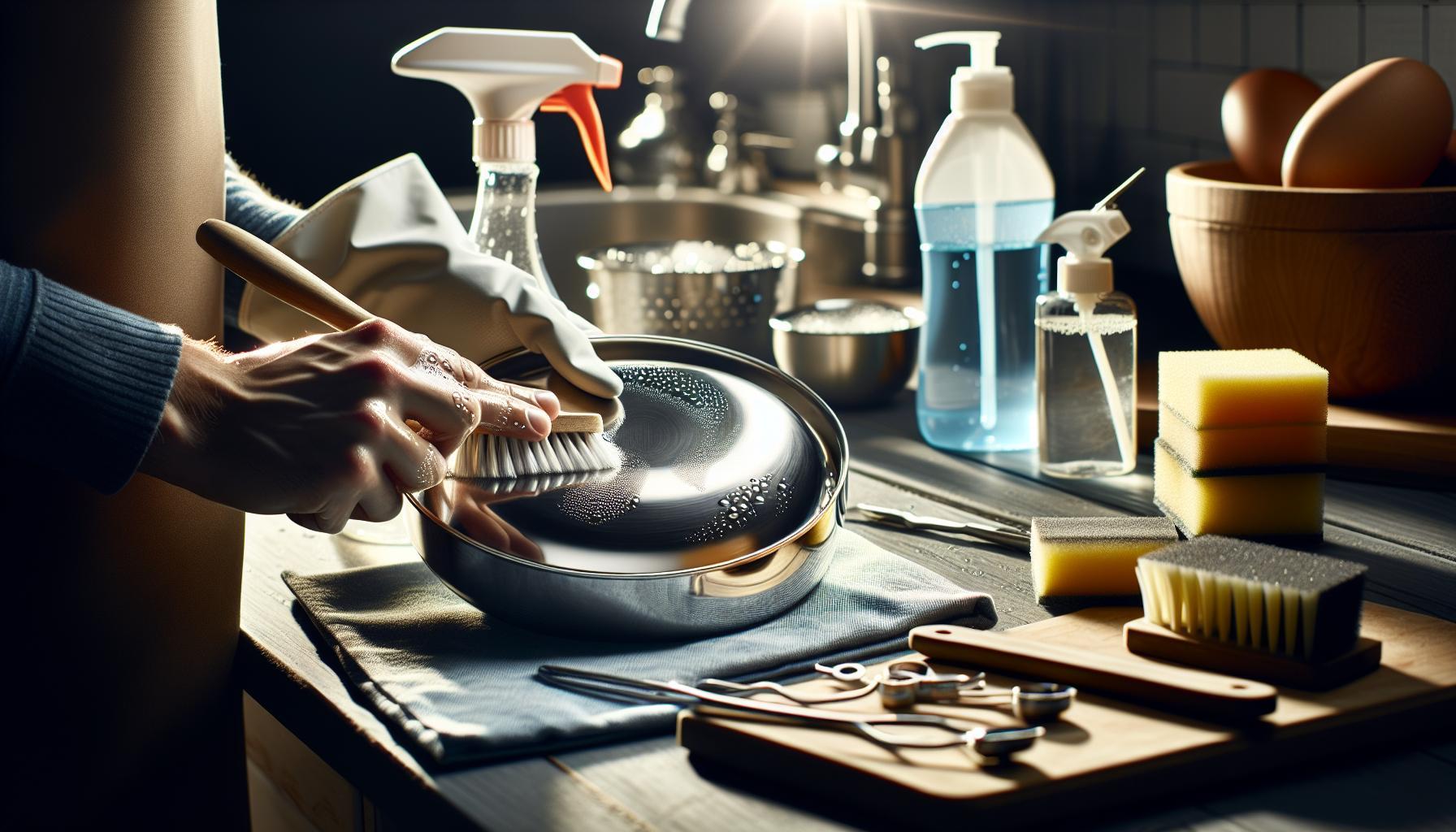
Did you know that steel surfaces can lose their luster within just weeks of exposure to moisture and dirt? This common issue can be frustrating, especially when you want your appliances, fixtures, or outdoor furniture to shine like new. The good news is that with the right techniques, you can not only restore their brilliance but also keep them gleaming for years to come.
In this guide, you will learn effective cleaning methods tailored specifically for various types of steel. Whether you’re tackling fingerprints on kitchen appliances or rust on outdoor grills, these proven strategies will empower you to achieve professional-level results at home. You’ll discover which products to use, the best cleaning techniques, and maintenance tips to minimize future grime.
Imagine stepping back to admire your steel surfaces glistening under the light, knowing you achieved that shine through straightforward, actionable steps. Let’s dive in and ensure your steel stays stunning and resilient against wear!
Essential Tools for Effective Steel Cleaning
To achieve a brilliant shine and extend the lifespan of your steel surfaces, you need the right set of tools at your disposal. Just as a painter requires brushes and paints, an effective steel cleaning routine is anchored by specific cleaning instruments. First and foremost, microfiber cloths are indispensable. Their soft texture prevents scratches while effectively absorbing dirt and oils, leaving surfaces streak-free.
Another essential tool is a scrubbing pad-specifically, a non-abrasive option. Look for pads designed for stainless steel; they can tackle tougher stains without damaging the finish. These are perfect for kitchen appliances, where grease and food residues can accumulate. For those hard-to-reach areas, such as between crevices or around appliance handles, a toothbrush can work wonders. Its bristles are just firm enough to dislodge grime without risking harm to the surrounding steel.
Cleaning Solutions
Your choice of cleaning solutions also plays a crucial role in maintaining steel’s luster. Consider investing in a quality pH-balanced cleaner, specifically formulated for metal. These solutions effectively cut through grease and grime without compromising the integrity of the material. For more eco-friendly options, look to vinegar and baking soda. Their natural properties can offer tremendous cleaning potential without harsh chemicals.
Don’t overlook the utility of gloves and safety goggles as well. Some commercial cleaners may emit fumes that aren’t friendly to your skin or eyes. Protecting yourself should always be a priority, even when tackling what may seem like simple chores.
Organizational Tools
Finally, using a caddy or tool organizer to keep all your cleaning supplies in one place streamlines your workflow. It saves time and ensures that you’re always prepared when maintenance is due. By having these essential tools readily available, you enhance your ability to keep steel surfaces looking as good as new. The ease of accessing the right tool at the right moment not only helps maintain your steel but can make cleaning a much more pleasurable experience. Maintaining shine is well within reach if you equip yourself with the appropriate resources for the job.
Understanding Different Steel Surfaces and Their Care
Understanding the different types of steel surfaces is fundamental for maintaining their beauty and functionality. While the shiny exterior of stainless steel may be visually appealing, it’s crucial to remember that not all steel surfaces are created equal. Each variant, from the brushed finish of appliances to the polished veneer of kitchen sinks, requires tailored care methods to preserve their integrity and shine. By identifying the specific type of steel you are working with, you can adopt the most effective cleaning regime suited to its needs.
Types of Steel Surfaces
- Stainless Steel: Known for its corrosion-resistant properties, stainless steel is commonly used in kitchen appliances and countertops. Its smooth surface can be sensitive to scratches, so avoid abrasive pads and cleaners.
- Carbon Steel: This type of steel is often found in cookware and tools. It possesses a characteristic non-stick surface when seasoned correctly but can rust if not cared for properly.
- Galvanized Steel: Coated in zinc to prevent rust, this surface is often used in outdoor applications. Cleaning requires gentle methods to avoid damaging the protective layer.
- Polished Steel: Frequently used for decorative purposes, polished steel has a shiny finish that demands regular maintenance to avoid tarnishing.
Recognizing these distinct surfaces will inform your cleaning strategies. For instance, when maintaining stainless steel, it’s beneficial to use a pH-balanced cleaner that effectively cuts through grease without harming the finish. Always clean in the direction of the grain with a soft microfiber cloth to avoid streaks. For carbon steel, ensure it is dry after washing-moisture can lead to rust. A light coat of oil after cleaning helps maintain its non-stick properties.
Care Tips for Each Surface
To effectively care for each type of steel, consider the following:
- Stainless Steel: Wipe down regularly with a vinegar-water solution to dissolve water spots. For tougher stains, use a non-abrasive scrub pad with a gentle cleaner.
- Carbon Steel: Use warm soapy water for cleaning, followed by thorough drying. Apply a thin layer of cooking oil after each wash to prevent rusting.
- Galvanized Steel: Rinse with clean water and dry thoroughly. Avoid acidic cleaners that can erode the zinc coating.
- Polished Steel: Employ a specialized metal polish to restore shine and protect against fingerprints. Buff with a soft cloth for an immaculate finish.
By understanding these surfaces and their care requirements, you’ll enhance the longevity and aesthetic of your steel items. This targeted approach not only provides optimal cleaning but also ensures that each surface retains its unique characteristics and appeal over time.
Step-by-Step Guide to Cleaning Steel
To maintain the gleaming appearance of steel surfaces, a reliable cleaning routine is essential. Whether you’re tackling kitchen appliances, cookware, or decorative pieces, the right techniques can ensure that your steel remains shiny and free from dirt and corrosion. The following step-by-step guide provides clear directions to help you clean various types of steel effectively, preventing future damage and extending the life of your items.
Start with a thorough inspection of the steel surface you plan to clean. Identify any stains, fingerprints, or rust that need addressing. Gather your supplies: a soft microfiber cloth, warm water, vinegar, mild dish soap, non-abrasive scrub pads, and specialized cleaners suited to your specific steel type. For stainless steel, a pH-balanced cleaner or a mixture of vinegar and water works wonders.
Begin by dusting the surface with a dry microfiber cloth to remove loose debris. This simple action will prevent scratching during the cleaning process. Next, dip your cloth into the vinegar-water solution or use your selected cleaner and wring it out to avoid excess moisture. Wipe the steel surface with the cloth, applying gentle pressure and working in the direction of the grain-this method minimizes streaking and enhances shine. For carbon steel, after cleaning, make sure to dry thoroughly; leaving moisture can lead to rust.
For tougher stains or rust, apply a specialized metal polish or a baking soda paste (mixing baking soda with a small amount of water) directly to the affected area. Use a non-abrasive scrub pad to gently work the solution into the blemish in circular motions. After scrubbing, rinse with clean water and dry immediately with a soft cloth. This technique consistently removes even stubborn stains, restoring the steel to its former glory.
Lastly, finish the process by buffing the entire surface with a dry, clean microfiber cloth. For stainless and polished steel, this step ensures an immaculate, streak-free shine. On carbon steel, apply a light coat of cooking oil to protect the surface against moisture and maintain its non-stick properties. Regular maintenance using these precise steps will keep your steel items in excellent condition, allowing them to shine like new with minimal effort.
Removing Stains and Rust from Steel Surfaces
Rust and stains on steel surfaces can be frustrating, but armed with the right techniques and tools, you can restore their original shine and integrity. Understanding the nature of these blemishes is crucial: rust forms when steel exposure to moisture and air combines with the metal, while stains can come from everyday usage-everything from cooking to handling appliances. With a systematic approach, you can tackle these issues head-on and keep your steel surfaces looking their best.
To effectively remove rust and stains, start by gathering your arsenal of cleaning supplies. For rust removal, you’ll need either a specialized rust remover or a mixture of baking soda and water-three parts baking soda to one part water creates an effective paste. For stains, a gentle oil (like olive oil or mineral oil) combined with a soft cloth will do the trick. If you prefer commercial products, look for a gentle metal polish that specifically mentions compatibility with steel.
Removing Rust
Begin by applying your rust removal solution directly to the affected area. If you’re using baking soda paste, apply it generously and let it sit for about 10 minutes to allow the solution to penetrate the rust. Next, using a non-abrasive scrub pad, scrub the area in circular motions, applying light pressure. Avoid steel wool, as it can scratch the surface of your steel. Rinse thoroughly with clean water and dry the surface immediately with a soft microfiber cloth to prevent new rust from forming.
Eliminating Stains
For removing stains, start by dampening a cloth with oil and gently wiping the stained surface. The oil acts as a lubricant, lifting the stain away without scratching. If necessary, sprinkle some baking soda directly onto the stain and use a damp cloth to scrub it gently. After scrubbing, rinse with warm water and dry the surface immediately. This method is particularly effective for kitchen appliances where grease and food particles may linger.
In some cases, especially for historical or heavily tarnished items, you may need a dedicated metal polish to achieve that like-new finish. Follow the application instructions on the polish for the best results. Just remember to polish along the grain of the steel to avoid unsightly streaks.
By maintaining a routine that includes these steps, you’ll not only address existing rust and stains but also lay the groundwork for a proactive approach to care. Keeping your steel surfaces pristine enhances their durability and aesthetic appeal, turning everyday maintenance into a quick and manageable task.
Polishing Steel: Techniques for a Brilliant Shine
Polishing steel is not just about aesthetics; it also plays a critical role in maintaining the integrity of the metal. A well-polished steel surface is not only pleasing to the eye but also less prone to corrosion and staining. The right polishing technique can transform dull, lifeless steel into a brilliant display of shine and clarity. Engaging in the polishing process can breathe new life into a range of steel items, from kitchen appliances to wrought iron fixtures, and it’s a task that anyone can master with the right approach.
Begin by selecting a high-quality metal polish specifically formulated for steel. Look for products that contain ingredients like carnauba wax or micro-fine polishing agents, as they provide a smooth, protective layer while enhancing shine. Equip yourself with a soft microfiber cloth, as its non-abrasive texture will ensure that no scratches mar the steel during the polishing process. If you are dealing with larger surfaces, consider a polishing machine with a soft pad attachment; this can significantly expedite the process while achieving a consistent shine.
Polishing Technique
- Prepare the Surface: Start with a clean surface. Wipe the steel down with a damp cloth to remove dust and debris. This step is crucial as any particles left on the surface can cause scratches during polishing.
- Apply the Polish: Squeeze a small amount of polish onto your microfiber cloth or polishing pad. Less is more here; you can always add more if needed. Apply the polish to the steel in circular motions, using moderate pressure to allow the polishing compound to penetrate the surface.
- Polish with Care: Work the polish into the steel for about 1-2 minutes in a designated area. This gentle buffing helps lift any scratches and imperfections while layering on the shine. After sufficient polishing, use a clean part of your cloth to buff the area further, enhancing the final shine.
- Rinse and Dry: For any residual polish, lightly dampen a clean cloth with water and wipe the surface again. Then dry immediately with a fresh, dry microfiber cloth to prevent water spots.
Maintaining the Shine
Regular polishing can keep your steel surfaces looking their best. Aim to polish every few months for high-use items like kitchen appliances, whereas less frequently used items can be polished every six months. Additionally, make it a practice to quickly buff your steel surfaces after cleaning; this helps to maintain their luster and keep fingerprints, smudges, or watermarks at bay.
By following these straightforward steps, you’ll not only achieve a brilliant shine but also extend the life of your steel items. A polished surface serves as a barrier to potential damage, combining beauty with functionality. Enjoy the satisfaction of transforming your steel surfaces and showcasing their inherent beauty!
Natural Solutions for Eco-Friendly Steel Cleaning
Did you know that your kitchen could be a treasure trove of eco-friendly cleaning solutions? Harnessing natural products not only protects your health but also ensures that your steel surfaces gleam without the potentially harmful chemicals found in commercial cleaners. With a few simple ingredients, you can effectively clean, shine, and maintain your steel surfaces while being kind to the environment.
Start with a classic combination: vinegar and baking soda. This duo is highly effective for cleaning and rejuvenating dull steel. To use, sprinkle a small amount of baking soda over the surface, then spritz vinegar on top. The resulting fizz works wonders on grime and stains. Let it sit for a few minutes before gently scrubbing the area with a soft cloth or sponge in circular motions. Rinse with water and dry immediately to avoid water spots. This technique consistently removes even stubborn stains while leaving behind a fresh scent.
Another powerful option is lemon juice. The citric acid in lemons not only cuts through grease but also disinfects. Mix equal parts lemon juice and water in a spray bottle, apply it directly to the steel surface, and wipe it down with a microfiber cloth. For especially tarnished areas, use lemon juice alone with a soft cloth for more direct cleaning action. Its natural acidity revitalizes steel, making it shine like new-plus, the refreshing aroma is a bonus.
To maintain that dazzling finish, consider using olive oil as a natural polish. Apply a few drops of olive oil onto a clean, soft cloth and buff your steel surfaces gently. This method not only enhances shine but also provides a moisture barrier that helps fend off fingerprints and smudges. Don’t worry about the oil leaving a greasy residue; a light application will dry quickly, ensuring a perfect finish every time.
Embracing these natural cleaning solutions empowers you to keep your steel surfaces in excellent condition while nurturing the environment. Each of these methods offers a straightforward path to maintaining the brilliance and integrity of your steel items without compromising on effectiveness. With the right approaches, your steel can remain not just clean, but environmentally friendly, shining brightly for years to come.
Preventative Care: Keeping Steel Surfaces Shiny
Preventive care for your steel surfaces is essential for maintaining their luster and prolonging their lifespan. By implementing a routine that prioritizes regular cleaning and protective measures, you can keep stainless steel and other steel items looking pristine with minimal effort. Remember, a little prevention goes a long way in avoiding the pitfalls of stubborn stains, rust, and dullness.
Firstly, establish a routine cleaning schedule-aim for at least once a week to keep grime from accumulating. Use a soft microfiber cloth and a mild dish soap solution (mix one teaspoon of dish soap with warm water) to wipe down surfaces. This method effectively removes dirt and oils without scratching the steel. Make it a habit to dry the surfaces immediately with a clean dry cloth to eliminate water spots and prevent streaking.
Next, consider applying a specialized stainless steel cleaner every month. These products are designed not only to clean but also to create a protective layer that resists fingerprints, smudges, and future stains. When using a cleaner, apply it in the direction of the grain-this ensures an even finish and minimizes the risk of scratches. After application, buff the surface with a soft cloth to reveal a brilliant shine.
For those living in humid environments or near the coast, where moisture and salt can accelerate corrosion, implementing a layer of protection is crucial. Coating the steel with a thin layer of mineral oil or specialized steel protectant can dramatically reduce the risk of rust formation. Apply a small amount to a cloth, and work it into the surface lightly. This acts as a barrier against moisture, while also imparting a handsome sheen.
- Regular Cleaning: Wipe down steel surfaces weekly with a mild soapy solution.
- Use Protectants: Monthly application of a stainless steel cleaner keeps surfaces shiny and fingerprint-free.
- Barrier Methods: For coastal areas, apply mineral oil or a steel protectant to guard against moisture.
With these straightforward strategies, you will not only preserve the aesthetic appeal of your steel surfaces but also enhance their durability. Adopt these practices, and with diligent care, your steel will maintain its shine and resist the wear and tear of everyday life.
Common Mistakes to Avoid When Cleaning Steel
Cleaning steel surfaces can be deceptively simple, yet common mistakes can significantly detract from the results you aim to achieve. Many people underestimate the importance of using the right cleaning materials and techniques, leading to scratches and dull finishes. Here’s what to avoid for that brilliant shine you desire.
One prevalent error is using abrasive cleaners or rough scrubbers. These can scratch the surface of your steel, leading to an etched appearance that detracts from its natural shine. Always opt for a soft cloth made of microfiber or cotton when wiping down surfaces. For instance, if you attempt to scrub your steel appliances with a rough sponge, you’re likely to leave irreversible marks. Instead, gently apply a mild soapy solution followed by a soft buffing motion to achieve a pristine finish.
Another mistake is neglecting to clean with the grain of the steel. This is crucial because steel has a natural grain direction, and cleaning against it can lead to unsightly scratches. Always observe the direction of the grain when applying cleaners or polishes. For example, if you’re maintaining your stainless steel kitchen appliances, follow the linear flow of the surface to maximize effectiveness and enhance brilliance.
Finally, a frequent oversight is failing to dry the surfaces after cleaning. Leaving water to air dry can result in water spots that diminish the sleek look of your steel. Instead, after cleaning, immediately wipe the surface dry with a clean, dry microfiber cloth. This simple act not only prevents spots but also keeps your appliances looking new over time.
By avoiding these common pitfalls-using abrasive materials, cleaning against the grain, and neglecting to dry your surfaces-you can ensure your steel remains gleaming and in excellent condition. Adopt these practices, and you’ll navigate the path of effective steel cleaning with confidence and ease.
The Best Products for Steel Maintenance
Cleaning and maintaining steel surfaces can feel daunting, but having the right products on hand makes all the difference. When properly chosen, these products can transform a dull, tarnished surface into a brilliant shine, all while protecting against future wear and tear. Here are some of the best products that cater specifically to steel maintenance, ensuring your surfaces not only look good but also last longer.
Essential Cleaning Solutions
Start with a reliable multi-surface cleaner formulated for stainless steel. Look for products that are both effective and gentle, containing no harsh chemicals that could damage the steel’s finish. Brands like Weiman Stainless Steel Cleaner & Polish are highly recommended; they effectively cut through grease while leaving a protective shine. To use, simply spray on the surface and wipe with a microfiber cloth in line with the grain for optimal results.
For those tougher stains or persistent smudges, Bar Keepers Friend is a game changer. This powder cleaner works wonders on a range of surfaces, including stainless steel, removing rust stains and tarnish easily. To apply, create a paste with water, apply it to the stained area, and gently scrub with a soft cloth. Rinse well and dry immediately to prevent water spots.
Protective Products
To maintain that just-cleaned sheen, using a dedicated stainless steel polish is crucial. Products like Zep Stainless Steel Polish not only enhance shine but also leave a protective layer that repels dirt and fingerprints. After cleaning, apply the polish sparingly using a microfiber cloth, buffing in the direction of the grain. This method results in a smooth, streak-free finish that keeps your surfaces looking pristine longer.
Natural and Eco-Friendly Alternatives
If you’re looking for natural cleaning options, vinegar is a fantastic solution. Mix equal parts of white vinegar and water in a spray bottle and use it as a gentle cleaner. It effectively cuts through grime and leaves a streak-free shine. For additional protection and a bit of scent, you can follow up with a light application of mineral oil to minimize fingerprints and enhance shine.
By choosing the right products and employing proper techniques, you’ll find that keeping your steel surfaces shining like new becomes a straightforward task. The combination of effective cleaners and protective polishes simplifies the process and maximizes results, allowing you to enjoy the gleaming beauty of your steel for years to come.
Restoring Dull Steel: Tips for a Like-New Finish
Restoring a dull steel surface to its original shine can seem like a daunting task, particularly when faced with stubborn stains or a lackluster finish. However, with the right techniques and tools, achieving a like-new appearance is entirely within reach. The key lies in understanding the specific needs of the steel you are working with and matching those with effective cleaning and polishing solutions.
Start by thoroughly cleaning the surface to remove dirt and grime. Apply a high-quality stainless steel cleaner, such as Weiman Stainless Steel Cleaner & Polish, directly onto the surface. Using a microfiber cloth, work the product into the steel in the direction of the grain. This technique not only cleans the surface but also begins to restore its luster. For more challenging, dull areas, a gentle abrasive like Bar Keepers Friend can be invaluable. Mix a small amount with water to create a paste, and gently rub it into dull spots using a soft cloth. The powder’s mild abrasive properties will lift tarnish and stains without scratching the steel.
Once the surface is clean, the next step is polishing. Apply a dedicated stainless steel polish, such as Zep Stainless Steel Polish, in a thin layer over the surface. Buff it in with a clean microfiber cloth, again following the grain. This step is crucial as it not only enhances the shine but also protects the steel against future damage. Remember, less is more; over-applying polish can lead to streaks and residue, detracting from your restoration efforts.
To maintain the shine you’ve just created, consider periodic light polishing with mineral oil. This natural solution provides an added protective layer and minimizes fingerprints, keeping your steel surfaces looking pristine with minimal ongoing effort. By integrating these steps into your cleaning routine, you’ll ensure that your steel surfaces not only recover their original brilliance but are also shielded from future dullness. With persistence and the appropriate methods, transforming dull steel back to a shining finish can become a satisfying and straightforward task.
Maintaining Steel Appliances: Buyer’s Guide
Maintaining the sleek, modern aesthetic of steel appliances requires understanding not only how to clean them, but also how to care for them effectively over time. Steel appliances, such as refrigerators, ovens, and dishwashers, are an investment that can elevate the look of your kitchen while providing durability and functionality. However, without proper maintenance, they can quickly lose their shine and become marred by fingerprints, smudges, and stubborn stains. Here are key strategies to ensure your steel appliances remain immaculate and functional for years to come.
### Regular Cleaning Routine
Establishing a consistent cleaning schedule is critical for ongoing maintenance. Aim to clean your appliances at least once a week using a gentle stainless steel cleaner. Products such as Weiman Stainless Steel Cleaner & Polish will not only remove fingerprints and smudges but also leave a protective layer that repels future dirt. When applying the cleaner, always use a soft, non-abrasive cloth and follow the natural grain of the steel. This technique consistently removes even stubborn stains and prevents the formation of scratches that could compromise the finish.
### Managing Stains and Damage
Despite your best efforts, you may encounter difficult stains. For food spills or hard water stains, a paste made from baking soda and water can work wonders. Apply it directly onto the stain, let it sit for about 10-15 minutes, and then gently scrub with a soft cloth. This natural solution is potent enough to lift tough stains without damaging the steel surface. For minor scratches, using a specialized stainless steel scratch remover can often restore the finish of your appliance swiftly.
### Seasonal Deep Cleaning
In addition to a weekly cleaning routine, conduct a more thorough deep clean seasonally. This looks like emptying out your refrigerator, using a vinegar and water solution to clean shelves, and employing a dedicated stainless steel polish – such as Zep Stainless Steel Polish – to buff the exterior and create a protective barrier. This deeper approach ensures that all nooks and crannies are attended to, maximizing shine and preventing grime build-up, which can be especially crucial in high-traffic kitchens.
### Smart Product Choices
When selecting cleaning products, aim for those that are both effective and safe for regular use. Avoid harsh chemicals and abrasives that can etch or alter the finish of your appliances. Instead, seek out cleaners made specifically for stainless steel and consider using natural options like lemon juice or olive oil as occasional alternatives for light cleaning and polishing. Always follow the manufacturer’s recommendations for care, as they can offer specific instructions tailored to your appliance’s finish.
### Conclusion
Adopting these maintenance practices will ensure your steel appliances not only look great but also function optimally for years to come. By incorporating regular cleaning, effective stain management, seasonal deep cleaning, and selecting the right products, you’ll empower yourself to maintain the beauty and longevity of your investment. Create a shining, welcoming kitchen that reflects your personal style while enjoying the efficiency of your well-kept steel appliances.
Long-Term Care: Protecting Steel from Future Damage
To extend the lifespan of steel and keep it looking immaculate, proactive measures should be at the forefront of your maintenance routine. Steel is robust and resilient, but without protective steps, it can succumb to scratches, rust, and discoloration over time. It’s important to embrace a long-term care strategy that addresses potential threats and preserves the pristine condition of your surfaces.
Invest in Protective Coatings
Applying a protective coating can significantly enhance the durability of steel surfaces. High-quality stainless steel wax products, like the 3M Stainless Steel Cleaner and Polish, create a barrier that repels water, oil, and dust. This barrier minimizes the risk of stains and rust formation. For best results, apply the wax every few months following a thorough cleaning. Use a soft cloth to buff the wax in using circular motions, ensuring even coverage. This simple step can make a world of difference in maintaining the shine and integrity of your steel.
Monitor Environmental Influences
Your steel surfaces are susceptible to environmental factors like humidity, extreme temperatures, and exposure to corrosive elements. Regularly assess the setting of your appliances-keeping them away from moisture-prone areas, such as near sinks or open windows, can prevent water damage. Additionally, ensure proper ventilation when cooking to reduce grease and moisture buildup, which can lead to tarnishing and grime accumulation. If your appliances are located in a high-humidity environment, consider using a dehumidifier to maintain an optimal atmosphere.
Implement Smart Usage Practices
How you use and interact with your steel appliances greatly influences their long-term condition. Use cutting boards rather than directly slicing foods on steel surfaces to prevent scratches. Always reach for soft, lint-free cloths for cleaning to avoid abrasive damage. Furthermore, avoid placing heavy objects on steel countertops to mitigate denting and warping. For areas with frequent contact, like refrigerator handles, consider applying handle covers to protect against wear and tear.
Conduct Regular Inspections
Integrate routine inspections into your maintenance schedule. After cleaning, take a moment to visually check for hidden spots of rust or scratches. If you catch any imperfections early, you can address them before they escalate. For minor rust spots, you can use fine steel wool to gently buff the affected area, followed by a stainless steel cleaner to restore the shine. Timely intervention not only helps maintain aesthetics but also fortifies the steel against more significant damage.
By taking these informed steps to protect steel surfaces, you’re not just ensuring a clean appearance; you’re investing in the longevity of your appliances. Consistent vigilance and strategic maintenance can keep your steel looking vibrant and functioning beautifully for years to come.
In Retrospect
Now that you’re armed with proven techniques to clean steel and keep it shining like new, don’t let those pesky stains spoil your home’s elegance! With regular maintenance using simple products like baking soda and vinegar, your metal surfaces will stay pristine. Remember, consistency is key-schedule a monthly cleaning to maintain that gleam and avoid buildup.
Ready to elevate your cleaning game? Check out our in-depth guides on “Top 5 Cleaning Mistakes to Avoid” and “Essential Tools for Home Maintenance.” If you want more personalized advice, consider signing up for our newsletter to receive expert tips right in your inbox! Have questions or tips of your own? We’d love to hear from you in the comments below.
Implement these strategies today, and watch your steel shine brighter than ever. The results will speak for themselves-effortless beauty that impresses guests and boosts your home’s value. Don’t wait; start your journey toward a more radiant home now!