Did you know that a well-maintained lawn mower can improve your lawn’s appearance and extend the life of your equipment? Many homeowners overlook cleaning their mowers, which can lead to performance issues, uneven cutting, and reduced efficiency. By dedicating just a little time to this essential task, you can ensure a lush, healthy lawn while preserving your mower’s functionality.
In this guide, we’ll share professional tips to clean your lawn mower effectively, from tackling stubborn grass clippings under the deck to sharpening the blades for optimal performance. Whether you’re a seasoned pro or a weekend warrior, these straightforward techniques will empower you to maintain your mower with confidence. An efficiently running mower not only enhances your gardening productivity but also makes the entire mowing experience smoother and more enjoyable. Let’s dive into the best practices to keep your mower in peak condition!
Choose the Right Time to Clean Your Lawn Mower
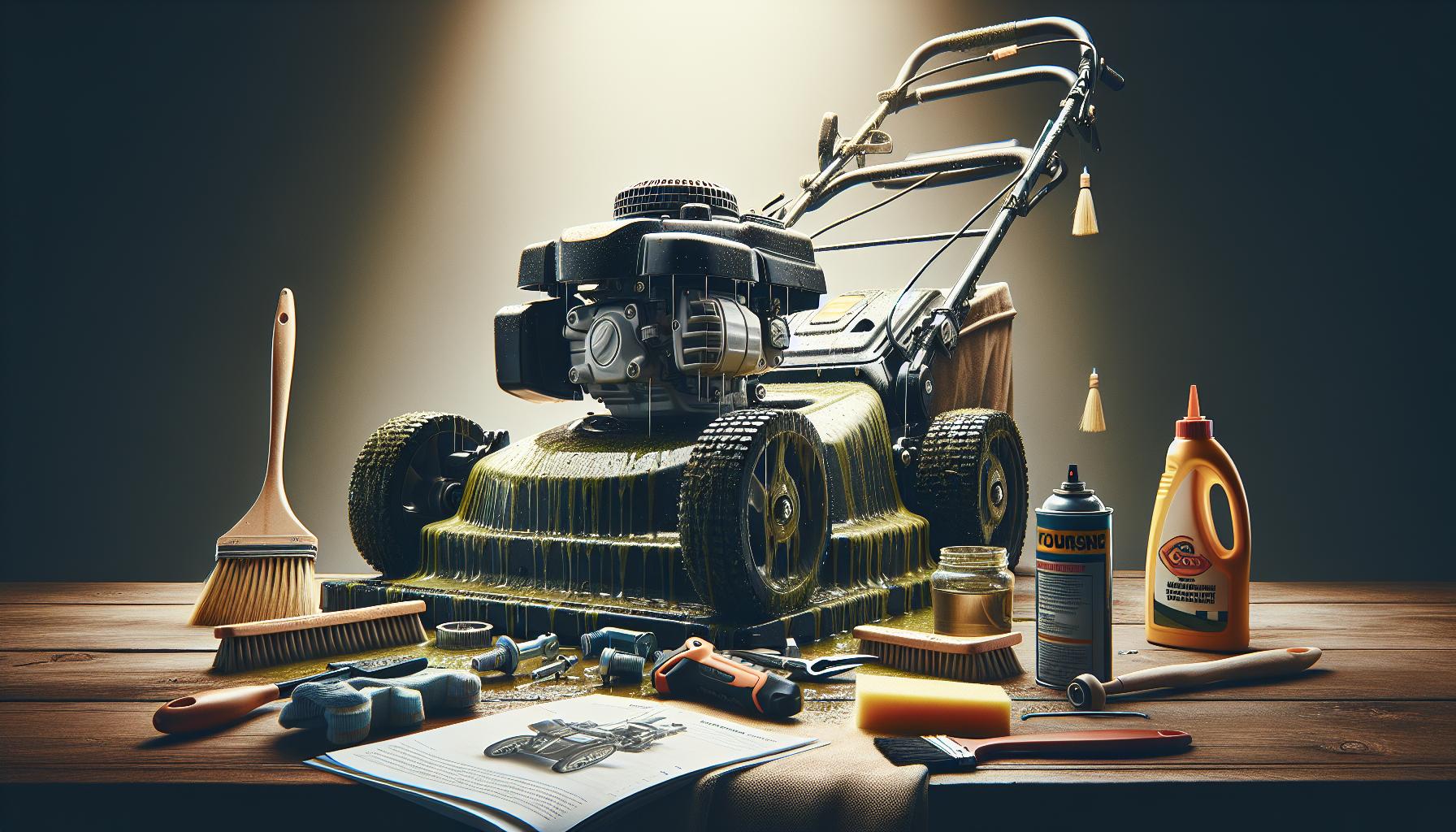
Cleaning your lawn mower at the right time can significantly impact its performance and longevity. Ideally, you should aim to clean your mower after each use, especially if you’ve mowed damp or heavy grass. Grass clippings can accumulate under the deck and block the blades, leading to uneven cuts and potential damage. This buildup invites rust and other damage, which can be easily avoided with regular maintenance.
Another key moment to consider is during the changing seasons. As summer yields to fall, or before winter storage, give your mower a thorough clean. This time allows you to check for debris that accumulated during the growing season, clean the air filter, and inspect the fuel system. Winterizing is essential too; this is when you’ll want to remove any leftover fuel and ensure the mower is in top shape to avoid corrosion over the colder months.
Regular cleaning not only enhances the performance of your mower but also boosts the health of your lawn. When your mower operates efficiently, it generates cleaner cuts which promote better grass growth. Additionally, if you’re using your mower less frequently, consider planning a cleaning after each mowing session to keep it ready and effective for the next use. By establishing a routine that aligns cleaning with your mowing schedule and seasonal changes, you’re respecting both your equipment and your lawn care efforts.
Essential Tools for Effective Lawn Mower Cleaning
To achieve peak performance from your lawn mower, having the right tools for cleaning is essential. A well-equipped cleaning toolkit not only streamlines the process but also enhances the effectiveness of your maintenance efforts. Whether you’re tackling thick grass clippings or stubborn dirt, the following tools are indispensable for keeping your mower in top condition.
Start with a high-quality scraper, which is ideal for removing caked-on grass and dirt from the mower deck. A plastic scraper is preferable to avoid scratching the metal surface. Alongside the scraper, a wire brush can help dislodge stubborn debris, especially in tight spots. Don’t underestimate the power of a simple garden hose. Use it to rinse off loose debris before diving deeper into cleaning. If your mower includes a deck-cleaning port, connect a hose for easier washdowns between uses.
A cleaning brush with stiff bristles is invaluable for detailed cleaning of the mower blades and undercarriage. Make sure to utilize a gentle soap solution or a dedicated mower cleaner to avoid damaging the mower’s paint and components. For filtering out dust and debris, have a vacuum cleaner on hand that can handle outdoor use or wet/dry pick-up tasks-it simplifies removing dirt from the air filter and other confined areas.
Finally, equip yourself with safety gear such as gloves and safety goggles to protect against sharp edges and debris while cleaning. Integrating these tools into your regular maintenance routine not only keeps your mower looking pristine but also ensures it operates efficiently, promoting a healthy lawn with every cut.
Step-by-Step Guide to Cleaning the Mower Deck

Cleaning the mower deck is crucial for maintaining optimal cutting performance and extending the life of your lawn mower. A deck clogged with grass clippings and debris can significantly hinder the mower’s efficiency. Follow these straightforward steps for a thorough cleaning that ensures your mower operates at peak performance.
Begin by ensuring the mower is off and cool. Safety first-disconnect the spark plug to prevent any accidental starts during cleaning. Once in a safe state, tilt the mower on its side, taking care to keep the air filter side up to prevent oil from leaking. Rinse the deck with a garden hose to remove loose debris. Aim the water at any accumulated grass and dirt, allowing it to loosen and run off. If your mower features a deck-cleaning port, connect the hose directly for a more targeted wash.
Next, use a plastic scraper to remove the caked-on debris stuck to the mower deck. Ergonomic scrapers are designed to reach tight spots, ensuring that you can clean even the most stubborn areas without damaging the metal. For areas that require a bit more effort, a wire brush can be used carefully; just be gentle to avoid scratching the surface. After scraping, mix a gentle soap solution-preferably one designed for lawn equipment-with water. Using a stiff-bristled cleaning brush, scrub the deck thoroughly. Focus on areas with heavy residue, applying the soap in circular motions for maximum effect.
Once the deck is clean, rinse it again with your garden hose to wash away any remaining soap and debris. Dry the deck with a soft cloth or allow it to air dry completely before lowering the mower back to its normal position. Regular cleaning of the mower deck will not only enhance cutting performance but also help prevent rust and deterioration, ultimately prolonging the life of your mower. Integrate this simple cleaning routine into your maintenance schedule for a healthy, well-performing lawn mower.
How to Safely Clean Your Lawn Mower Blades

Cleaning your lawn mower blades is one of the most critical maintenance tasks to ensure optimal cutting performance. Dull or clogged blades can tear grass rather than cut it cleanly, leading to lawn stress and the potential for disease. Regularly inspecting and cleaning the blades not only maintains their sharpness but also prolongs the life of your mower.
Begin your cleaning routine by ensuring the mower is powered down and unplugged. For added safety, disconnect the spark plug wire. With equipment safety secured, tilt the mower to expose the blades, ensuring the air filter side remains up to prevent oil leaks. Use a garden hose to rinse away loose grass clippings and debris, utilizing a spray nozzle for better reach and control.
To tackle more stubborn residue, take a plastic scraper or a stiff-bristled brush to scrub the blades carefully. The plastic scraper will help dislodge built-up gunk without damaging the metal, while the brush can reach smaller crevices. For particularly tough spots, consider using a mixture of warm, soapy water and a few drops of degreaser. Apply the solution in circular motions to ensure thorough coverage and loosen any ingrained dirt. Rinse the blades again with the garden hose to wash away the soapy residue completely.
Once cleaned, inspect the blades for sharpness and any signs of rust or wear. If they appear dull, sharpen them using a metal file or a mower blade sharpener designed for this purpose. After sharpening, it’s wise to apply a light coat of oil to protect against rust. This regular maintenance routine will ensure your mower blades are clean, sharp, and ready for the next mow, promoting a healthier, greener lawn. Keep this task as part of your seasonal maintenance plan to enjoy a high-performing lawn mower year after year.
Cleaning the Air Filter: Tips for Efficiency
Cleaning your air filter is essential for maintaining the efficiency of your lawn mower. A clogged or dirty air filter restricts airflow to the engine, leading to reduced performance and increased fuel consumption. Regularly checking and cleaning the air filter can significantly extend the life of your mower and ensure healthier grass through a better cut.
To clean the air filter, start by ensuring your mower is powered down and has cooled off. This step is crucial for safety. Locate the air filter cover, which is usually situated near the carburetor of the engine. Remove the cover to access the filter. Depending on your mower model, you may find a foam or paper filter. If it’s foam, give it a gentle rinse under warm water to remove dirt. Afterwards, let it dry completely before reinstallation. For paper filters, a simple tap on a hard surface or a light breeze can dislodge some dirt, but remember to replace them if they appear excessively dirty or damaged.
Cleaning supplies are minimal. You’ll need warm water, a mild detergent for foam filters, and a soft brush to remove any stubborn dirt from paper filters. Be cautious not to use any solvents that could damage the filter material. For maximum efficiency, check the manufacturer’s guidelines for specific instructions related to your lawn mower model, including recommended cleaning intervals.
Implementing this straightforward maintenance task can drastically improve your mower’s performance. A clean air filter allows for better airflow, resulting in efficient combustion and smoother operation of your mower. Regularly scheduled cleanings-ideally after every 20-25 hours of use-will ensure you tackle dirt and debris before they impact efficiency, ultimately yielding a robust lawn care experience.
Inspecting and Cleaning the Fuel System
Inspecting the fuel system of your lawn mower is a critical aspect of maintenance that can directly influence its performance. A clean fuel system ensures that fuel flows smoothly to the engine, which maximizes efficiency and minimizes the risk of mechanical failures. Over time, fuel contaminants can build up, leading to issues such as poor starting, reduced power, and even engine stalling. Therefore, incorporating regular inspections and cleanings into your mower maintenance routine is essential to keep your equipment running optimally.
Start by safely disconnecting the mower from any power source. Remove the fuel cap and visually inspect the fuel tank for debris, dirt, or any signs of contamination. If you find sludge or buildup, draining the tank completely is crucial. Make use of a fuel siphon or a hand pump to remove the old fuel, ensuring that you dispose of it properly according to local regulations. After emptying the tank, rinse it with fresh, clean fuel to remove any remaining particles. This method not only cleans the tank but also helps to dissolve some of the residue, making it easier to manage.
Next, turn your attention to the fuel lines. Inspect them for cracks, leaks, or wear, as damaged lines can lead to fuel loss and potentially create a fire hazard. If you notice any issues, replace them with new lines of the same diameter. To clean the fuel lines, a specialized fuel line cleaner can be used, or you can blow compressed air through the lines to clear blockages. Be sure to check the fuel filter as well. A clogged filter can drastically reduce fuel flow and affect mower performance. If your filter is reusable, wash it gently with warm, soapy water, rinse thoroughly, and let it dry completely before reinstalling. If it’s a disposable filter, replace it with a new one.
Following these steps will not only extend the life of your lawn mower but also enhance its efficiency, ensuring it operates at peak performance. Understanding the fuel system’s importance and maintaining its cleanliness will help you avoid costly repairs and enjoy a smoother mowing experience. Regularly performing these inspections, ideally at the start of each mowing season, can preemptively address potential issues and keep your mower in top shape.
Winterizing Your Lawn Mower: A Complete Cleaning Guide
Preparing your lawn mower for the winter months is crucial to ensure it operates smoothly when spring arrives. Neglecting this important step can result in a dreary mowing experience, with potential mechanical issues cropping up from neglect. To avoid this fate, follow these systematic cleaning and maintenance tips that can bolster your mower’s longevity, ensuring it’s ready to go when you are.
Start by thoroughly cleaning the mower. Disconnect the spark plug for safety and remove debris from the mower deck using a soft-bristle brush and a scraper. You should also rinse it down with a garden hose – just make sure to avoid the electrical components and engine. For tougher buildup, a mixture of soapy water can help break down stubborn clippings and dirt. After cleaning, allow it to dry completely to prevent rust and corrosion.
Next, turn your attention to the fuel system. An essential step is to either drain the fuel tank completely or add a fuel stabilizer to the remaining fuel. If using a stabilizer, follow the product directions closely for the correct dosage and run the mower for a few minutes to circulate the stabilizer throughout the system. This will prevent the fuel from deteriorating and causing issues when you start the mower in spring.
Sharpening the blades is another vital task as it guarantees a clean cut next season. Sharp blades are not only more efficient but also reduce stress on the engine. Remove the blades using a socket wrench, then sharpen them with a blade sharpener or file before reattaching. It’s best to check for any wear or damage, and if needed, replace them.
Finally, be sure to inspect and clean the air filter and any other accessible parts. A clean air filter ensures optimal airflow to the engine, enhancing performance. If the filter is disposable, replace it; if it’s reusable, wash it according to the manufacturer’s instructions.
By following these steps, you’ll successfully winterize your lawn mower, setting it up for peak performance and avoiding any unpleasant surprises when you dust it off for the first mow of the season. Engaging in this seasonal ritual not only elongates your mower’s life but also enhances its efficiency, providing a hassle-free mowing experience as soon as the grass starts to grow.
Common Mistakes to Avoid When Cleaning
Cleaning your lawn mower effectively is crucial for maintaining its performance, yet many users make critical mistakes that can lead to inefficiency or damage. One common error is neglecting safety precautions. Always disconnect the spark plug before starting any cleaning procedure to prevent accidental starts. Using the wrong tools can also hinder your efforts; for instance, attempting to clean the mower deck with metal scrapers instead of plastic ones can easily scratch the surface or damage components.
Another frequent misstep is overlooking thorough drying after washing. Many users rinse down their machines, but skipping the drying process can lead to rust and corrosion. Make it a habit to towel dry any wet areas immediately or, even better, allow the mower to air dry completely in a shaded area before storing it. This practice not only extends the lifespan of components but also ensures that you avoid mold or mildew buildup.
Additionally, many neglect the air filter and fuel system during cleaning. A clogged air filter can restrict airflow, affecting engine performance. Regularly inspect and clean or replace the air filter based on your mower type and usage frequency. Similarly, users often overlook the importance of properly treating the fuel system; improper fuel storage can lead to gumming and clogging. Always use a fuel stabilizer when storing the mower for extended periods, and avoid running it on stale fuel.
Finally, be cautious about using harsh chemicals or excessive water pressure when cleaning. These can damage the mower’s finish or force water into electrical connections. Instead, stick to mild soap solutions and gentle rinsing techniques. With these insights, you can enhance your lawn mower’s performance, ensuring it runs smoothly season after season.
Maintaining Peak Performance Post-Cleaning
Keeping your lawn mower in peak condition doesn’t stop with a thorough cleaning; it extends into how you maintain it afterward. A well-cleaned mower not only operates more efficiently but also lasts longer, yielding a beautifully manicured lawn for years to come. Following some straightforward practices can significantly enhance your mower’s performance after a cleaning session and ensure it stays in prime condition.
Regular Maintenance Checks
A critical step to maintaining peak performance involves consistent checks on your mower’s essential components. After cleaning, inspect the spark plug for wear; if it’s dirty or worn, replace it to ensure a smooth start and efficient combustion. Additionally, keep an eye on the oil levels. Change the oil regularly, ideally every 25 hours of operation, to keep the engine clean and functioning optimally. If applicable, remember to replace the oil filter as well, as this helps to trap contaminants and extends the engine’s life.
Blade Care and Adjustment
The condition of your mower blades directly affects the quality of your cut. After cleaning, sharpen the blades if you notice any dullness, as sharp blades create clean cuts and promote healthier grass growth. Use a sharpening stone or a specialized blade sharpener to maintain the proper edge. If your mower has adjustable blade heights, ensure they are set correctly for the type of grass you are cutting to minimize stress on the engine and encourage lush growth.
Fuel and Air Filter Management
To sustain the efficiency of your mower post-cleaning, pay special attention to the fuel and air filter systems. Always use fresh, high-quality fuel mixed with a fuel stabilizer for storage to avoid gumming and clogging; this practice helps maintain optimal fuel flow. Additionally, clean or replace the air filter regularly. A clean air filter ensures the engine gets sufficient airflow for combustion, which is crucial for power and efficiency during mowing sessions.
Storage Considerations
Proper storage is paramount for prolonging your mower’s lifespan. If storing for an extended period, ensure it’s in a dry, protected environment to prevent rust and degradation. Consider using a mower cover for added protection from dust and elements. Before storing, give it a final clean to remove any residual grass or dirt, ensuring it’s ready for optimal performance when you bring it out again.
By integrating these maintenance practices into your routine, you not only maximize your mower’s performance but also enhance its longevity. Each step-whether it’s checking oil levels or ensuring blade sharpness-plays a pivotal role in keeping your lawn mower functioning at its best, so commit to a regular maintenance schedule and watch your mower serve you well season after season.
Expert Cleaning Techniques for Lawn Mower Longevity
To extend the longevity of your lawn mower, mastering expert cleaning techniques is essential. By applying diligent cleaning methods, you not only enhance performance but also preserve the integrity of your equipment, allowing it to serve you for years to come. A well-maintained mower minimizes the risk of breakdowns and can even improve the aesthetics of your lawn.
Begin by ensuring that you have the right tools ready for an effective cleaning session. Equip yourself with a stiff-bristle brush, a putty knife, a garden hose or pressure washer, and a cleaning solution specifically designed for lawn mowers. These tools enable you to tackle dirt and grass buildup efficiently. For stubborn areas, a degreaser can work wonders; just make sure it is safe for your mower’s materials.
Focus on the mower deck as a top priority during cleaning. Clear away any clippings and debris using your brush and knife to prevent rust and corrosion. Then, using your hose or pressure washer, carefully spray the deck to dislodge any remaining residue. This technique is crucial, as a clean deck promotes better air circulation and cutting efficiency. When tackling the mower blades, safety is paramount. Always disconnect the spark plug before beginning. Wearing gloves, scrub the blades thoroughly to remove grass buildup and dirt; this will not only keep them sharp but also enhance the quality of your cut.
Lastly, don’t overlook the air filter and fuel system. Clean or replace the air filter regularly to ensure optimal airflow. A clogged filter can restrict the engine’s performance and lead to inefficient fuel consumption. For the fuel system, double-check that the fuel is fresh and free of debris, using a funnel with a strainer if necessary. By incorporating these expert techniques into your maintenance routine, you’re committing to delivering reliable performance and extending the lifespan of your lawn mower.
Eco-Friendly Cleaning Solutions for Lawn Mowers
Using eco-friendly cleaning solutions for your lawn mower not only helps preserve the environment but also ensures your equipment remains in top-notch condition. Many conventional cleaning products can be harsh on both your mower and the planet. Instead, consider natural alternatives that are effective and less harmful. For instance, a mixture of vinegar and water can serve as an excellent degreaser. Combine equal parts of each in a spray bottle, and apply it to the mower deck and blades. Allow it to sit for a few minutes, then scrub with a brush to remove grease and grime effectively.
Another standout solution is baking soda, renowned for its mild abrasive qualities and deodorizing properties. Create a paste using baking soda and water-use about one cup of baking soda with enough water to form a thick paste. This mixture is perfect for tackling rust spots and stubborn grass clippings. Apply it directly to the affected areas, let it sit for about 30 minutes, and then scrub with a stiff-bristle brush to lift stains without damaging your mower.
For a simple yet effective method to clean the air filter, use a solution of warm soapy water. Soak the filter in this solution for about 15 minutes, then rinse under running water until it’s clear. Ensure that the filter is completely dry before reinstalling it. Not only does this maintain optimal airflow to the engine, but it also keeps contaminants at bay, ensuring efficient performance.
Lastly, consider enhancing your cleaning routine with biodegradable soaps specifically designed for outdoor use. These products are formulated to break down naturally, making them safe for your garden and the surrounding ecosystem. Always check the labels for eco-friendly certifications. By using these sustainable cleaning methods, you will not only maintain your lawn mower’s peak performance but also support a healthier planet.
Enhancing Performance: Additional Maintenance Tips
Maintaining your lawn mower doesn’t require extensive technical knowledge, but it does demand attention to detail and a committed routine. One of the most crucial aspects of ensuring your mower operates at peak performance is to regularly inspect and replace the oil. A dirty engine can lead to overheating and reduced efficiency. Every time you use your mower, check the oil level. If the oil appears dark or murky, it’s time for a change. Drain the old oil and replace it with fresh, high-quality oil that meets the manufacturer’s specifications. This often overlooked step can vastly improve engine performance and extend its lifespan.
Another indispensable task is to sharpen the mower blades. Dull blades can rip grass instead of cutting it cleanly, leading to an unhealthy lawn. Aim to sharpen the blades at least once per season or after every 25 hours of mowing. Detach the blades and use a metal file or a grinder to restore their edge. Make sure to balance them afterwards to ensure smooth operation. Always wear safety gloves and eye protection during this process.
Additionally, consider checking the spark plug regularly. A clean and well-functioning spark plug is essential for efficient fuel combustion and reliable starting. Remove the spark plug and inspect it for carbon buildup. If you notice heavy deposits, clean it with a wire brush or replace it entirely if it’s damaged. This simple maintenance step significantly boosts engine performance and is an easy do-it-yourself task that pays off in improved reliability.
Finally, don’t forget to keep your mower’s cooling system free of debris. Grass, dirt, and debris can easily clog airflow vents. After each use, inspect and clean around the engine and cooling fins to prevent overheating. Use compressed air or a soft brush to carefully remove any buildup. By incorporating these maintenance tips into your routine, you’ll ensure your lawn mower operates efficiently and effectively throughout the mowing season.
Key Takeaways
Congratulations on enhancing your lawn mower maintenance skills with our pro tips! Remember, maintaining peak performance involves regular cleaning, sharpening blades, and ensuring your mower is properly stored. Don’t let your equipment go to waste-implement these strategies today, and experience the difference in your lawn care routine.
For more valuable insights, check out our guides on “Choosing the Right Lawn Mower” and “Essential Lawn Care Tips.” Plus, don’t miss out on signing up for our newsletter to receive exclusive tips and product recommendations right in your inbox. If you have any questions or want to share your lawn care stories, drop a comment below-we’d love to hear from you!
Invest in your mower care now and enjoy a thriving lawn all season long. Remember, an efficiently running mower not only enhances your yard’s beauty but also saves you time and effort. Keep pushing forward, and explore additional resources to elevate your lawn care expertise!
Get our latest guides, news, and insights highlighted in your Google Search & AI Overviews.