


Did you know that your bite guard can harbor harmful bacteria and unpleasant odors if not cleaned properly? As a vital tool for protecting your teeth, it’s crucial to maintain its hygiene to ensure it effectively does its job. Neglecting this routine not only compromises your dental health but can also lead to discomfort, bad breath, and even infections.
In this guide, you’ll discover easy yet effective techniques to clean your bite guard, banishing bacteria and odors quickly. By adopting a regular cleaning regimen, you’ll not only prolong the life of your bite guard but also enhance your overall oral hygiene. Get ready to transform your bite guard into a fresh, odor-free accessory that supports your dental health seamlessly. Let’s dive into the best practices for keeping this essential tool spotless and safe!
How to Identify Common Bite Guard Odors

Identifying common odors emanating from your bite guard is crucial for maintaining oral hygiene and ensuring the longevity of the appliance. Many users may experience unpleasant smells from their bite guards, which are often the result of bacteria, food particles, or improper cleaning. Recognizing these odors early can help you address potential bacterial growth and avoid any health issues.
A foul smell often resembles that of stale or spoiled food; this is usually a sign of bacteria accumulation, particularly if the bite guard hasn’t been cleaned regularly. If you notice a vinegar-like odor, this might indicate the buildup of oral bacteria. Additionally, a fishy scent could suggest the presence of specific bacteria that thrive in warm, moist environments – exactly the conditions your bite guard creates after use. Pay attention to these signs, especially after sports or sleeping, when your guard is most likely to trap moisture.
If you detect a persistent odor, it’s time for a thorough cleaning. Start by rinsing the bite guard under warm water to remove any loose debris. If odor persists, consider soaking it in a solution of water and a few drops of dish soap for about 30 minutes. For tougher odors, you might use a diluted vinegar solution or a specialized denture cleaner, which can effectively kill bacteria and neutralize offensive smells. Regular checks and cleanings not only keep your bite guard fresh but also protect your oral health and ensure your comfort while wearing it.
Essential Supplies for Effective Cleaning
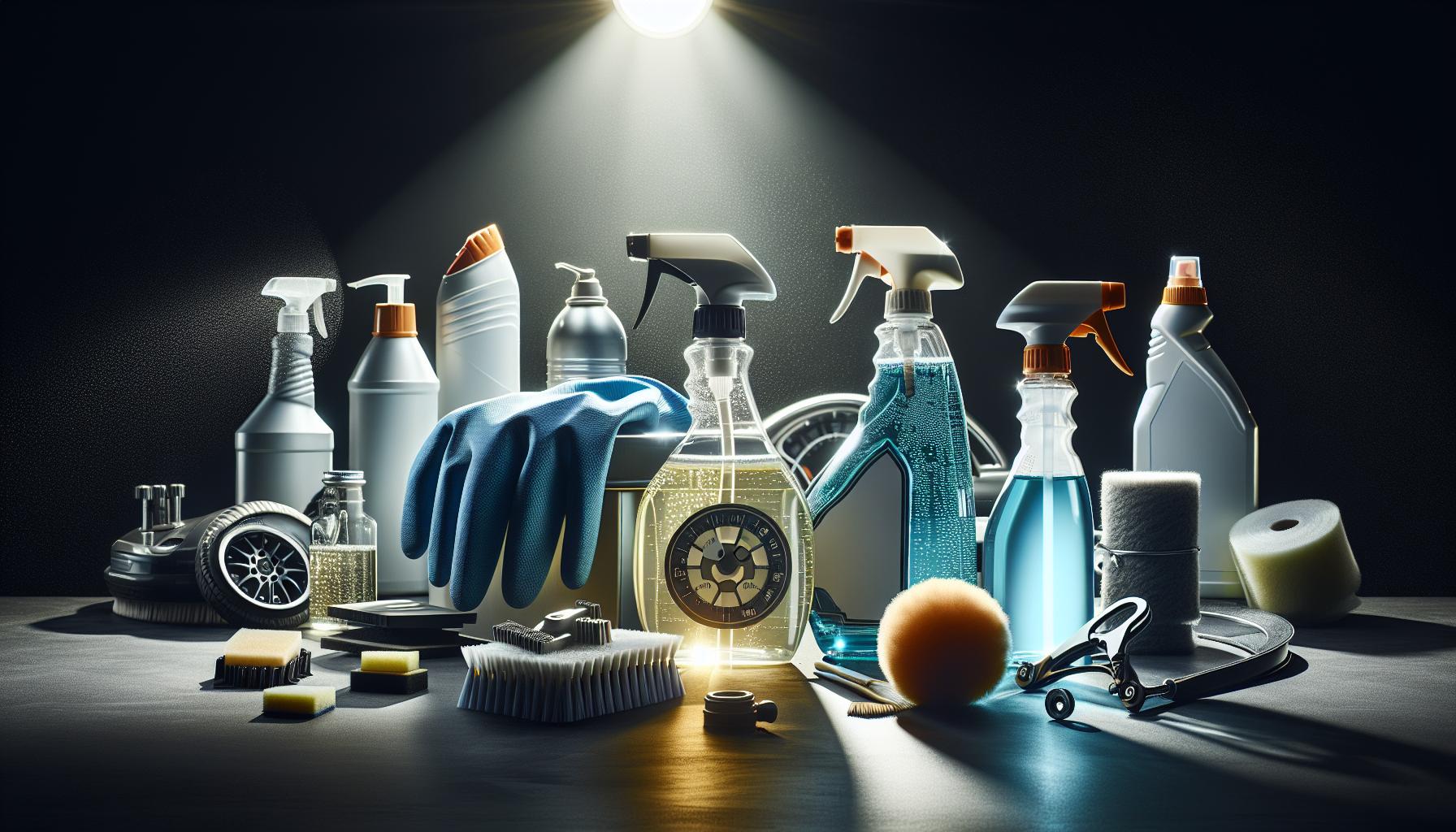
To effectively clean your bite guard and eliminate lingering odors, having the right supplies on hand is essential. A well-stocked cleaning kit not only simplifies the process but also maximizes your chances of achieving a fresh and hygienic appliance.
Start with the basics: warm water for rinsing and soaking. Pure, clean water acts as the foundation for any cleaning routine. Next, stock up on mild dish soap-an excellent, non-abrasive cleaner that cuts through residue without damaging the material of the bite guard. Look for soaps that are free from strong fragrances and dyes to prevent unwanted reactions or smells.
Additionally, consider having a soft-bristle toothbrush dedicated to cleaning your bite guard. The gentle bristles are perfect for scrubbing grooves and ridges without scratching the surface, ensuring thorough sanitization. If odors persist after initial cleaning, a denture cleaning tablet can be a game changer, effectively targeting stubborn bacteria and odors. You can also use a white vinegar solution as a natural disinfectant; simply mix one part vinegar to three parts water for an effective soak.
For those who prefer convenience, a specialized bite guard cleaning kit may be worth the investment. These kits often contain purpose-formulated cleaners that eliminate odors and bacteria, ensuring that your bite guard maintains its integrity and hygiene for years to come. By gathering these essential supplies, you’re setting yourself up for success in maintaining your bite guard’s cleanliness and ensuring optimal oral health.
Step-by-Step Guide to Clean Your Bite Guard
To maintain your bite guard in pristine condition, an effective cleaning routine is essential for eliminating bacteria and odors. Start by preparing your cleaning station with all necessary supplies close at hand, ensuring a smooth process without interruptions. Begin by thoroughly rinsing your bite guard under warm running water to remove saliva and any food particles. This initial step lays the foundation for deeper cleaning.
Next, apply a few drops of mild dish soap directly onto a soft-bristle toothbrush. Gently scrub the entire surface of the bite guard using circular motions, paying special attention to grooves and ridges where bacteria often linger. This technique consistently removes stubborn stains and buildup. After scrubbing, rinse the bite guard thoroughly under warm water to wash away soap residue and debris.
If odors persist after your initial cleaning, soak the bite guard in a homemade cleaning solution. Combine one part white vinegar with three parts water in a bowl and let the bite guard soak for about 30 minutes. Rinse it again with warm water after soaking to ensure no vinegar scent remains. For an even deeper clean, consider using a denture cleaning tablet, following the product’s instructions, which can effectively target any lingering bacteria and odors.
Finally, dry your bite guard properly by placing it on a clean, dry towel. Never use high heat or direct sunlight to dry the bite guard, as this can warp the material. By following these straightforward, systematic steps, you can keep your bite guard fresh, hygienic, and ready for use, ensuring optimal oral health. Regular cleaning not only enhances the lifespan of the bite guard but also contributes to better overall hygiene.
Natural Cleaning Solutions You Can Use
To keep your bite guard fresh and odor-free, natural cleaning solutions are both effective and simple to implement. One of the most accessible and powerful options is baking soda. This versatile ingredient not only neutralizes odors but also acts as a gentle abrasive that helps scrub away any residue. To use it, mix a couple of tablespoons of baking soda with warm water to form a paste. Apply the paste to your bite guard using a soft toothbrush, focusing on any grooves or hard-to-reach areas. Rinse thoroughly with warm water, and you’ll be amazed at how well it removes odors and buildup.
Another excellent natural cleaning solution is hydrogen peroxide. Known for its antibacterial properties, hydrogen peroxide is an effective method for maintaining oral hygiene. Dilute equal parts of hydrogen peroxide and water, and soak your bite guard for about 30 minutes. After soaking, scrub gently with a soft brush, then rinse well. This method not only targets bacteria but also helps eliminate stubborn stains.
For those who prefer a more aromatic approach, essential oils can turn your cleaning routine into a fragrant experience. A few drops of tea tree oil or peppermint oil added to your cleaning solution can provide extra antibacterial benefits and leave your bite guard smelling delightful. Simply add the essential oils to a mixture of baking soda or vinegar, apply as described in earlier methods, and enjoy the refreshing scent as you clean.
It’s important to remember that natural cleaning solutions might require more frequent applications to maintain optimal hygiene, as they can be less concentrated than chemical cleaners. However, the benefits include peace of mind from using non-toxic products while ensuring your bite guard stays in excellent condition. With these straightforward methods, maintaining your bite guard can be an easy and natural part of your daily routine.
Chemical Cleaners: Pros and Cons
Chemical cleaners can be a powerful tool in your arsenal for keeping your bite guard free of bacteria and odors. While they offer convenience and robust cleaning capabilities, there are significant factors to consider before making them your go-to solution. Many commercial cleaners promise quick results, tackling persistent stains and unpleasant smells with ease. These products often contain strong antibacterial agents designed to kill germs effectively. However, their potency can come with potential drawbacks, such as the risk of material degradation or allergic reactions.
One significant advantage of chemical cleaners is their efficiency; they often contain concentrated ingredients that can penetrate deeply into stains and residues. This means that if you’re dealing with stubborn odors or accumulated bacteria, a specialized cleaner can resolve the issue quickly. Products such as denture tablets or enzymatic cleaners are formulated specifically for dental devices and provide thorough sanitization. Just be sure to follow the manufacturer’s instructions to avoid any mishaps.
On the downside, some chemical cleaners can be harsh, potentially causing damage to softer materials commonly used in bite guards. Ingredients like bleach or strong abrasives may weaken the structure of the guard over time, leading to changes in fit or comfort. Additionally, those with sensitive skin or allergies may experience irritation from residues left behind after cleaning. Regular use of potent cleaners can also lead to an accumulation of harmful substances that could linger in your mouth, impacting your oral health.
To summarize, while chemical cleaners can provide a fast and effective solution to cleaning your bite guard, it’s crucial to weigh the pros and cons carefully. Always opt for products specifically designed for dental appliances to minimize risk, and be mindful of how often you use them. By striking the right balance between chemical and natural cleaning methods, you’ll ensure your bite guard remains not only clean but also safe and durable for everyday use.
Avoiding Damage: Cleaning Mistakes to Watch

Cleaning your bite guard is an essential part of maintaining oral hygiene, but it can be easy to make mistakes that may compromise its integrity. For instance, using abrasive scrubbers or brushes can leave scratches on the surface of your guard, creating tiny crevices where bacteria can thrive. Instead, employ a soft toothbrush or cloth with your chosen cleaning solution to protect its delicate structure. This simple adjustment in your cleaning method can significantly extend the life of your bite guard.
Additionally, many people overlook the importance of rinsing their bite guard thoroughly after cleaning. Residual cleaning agents can lead to irritation or allergic reactions in your mouth. Always ensure that you rinse your bite guard under warm water for several minutes after applying any cleaning solution, especially if you’ve used chemical cleaners. This step is vital to achieving a fresh, irritant-free surface.
Another common mistake is exposing your bite guard to extreme temperatures. High heat, such as that from boiling water or dishwashers, can warp the material, leading to an improper fit. Always clean your bite guard using lukewarm water and avoid any harsh or boiling solutions. In the case of storage, exposure to sunlight or heat from a car dashboard can degrade the material over time. Instead, store your bite guard in a cool, dry place and use a protective case to shield it from environmental factors.
Finally, consider the frequency of your cleaning routine. While diligent cleaning is necessary, overdoing it with potent chemicals can weaken the material of your bite guard. Strike a balance by using a gentle cleaning routine daily and reserving stronger products for occasional deep cleans. By being mindful of these common pitfalls, you can ensure the longevity and effectiveness of your bite guard while keeping it free of bacteria and odors.
Maintaining Your Bite Guard: Daily Care Tips
Maintaining a clean and effective bite guard requires consistent daily care that not only prolongs its lifespan but also ensures your oral hygiene remains in top shape. Just like any other personal care item, a bite guard is susceptible to the buildup of bacteria and odors if it’s not treated properly. By adopting a few straightforward habits, you’ll find that keeping your bite guard fresh and effective is not only achievable but also essential for your health.
Start your daily routine by rinsing your bite guard under lukewarm water immediately after use. This straightforward step helps remove debris and saliva, minimizing the chances for bacteria to proliferate. After rinsing, simply use a soft-bristled toothbrush and a non-abrasive toothpaste to gently scrub the surface of your bite guard. Use small, circular motions to ensure you’re reaching every part of the surface, focusing on any areas where food particles might linger.
It’s crucial to ensure your bite guard is completely dry before storing it. Bacteria thrive in moist environments, so after your cleaning routine, consider air-drying it on a clean surface or a dedicated drying rack. Additionally, to prevent any unwanted odors from developing, store your bite guard in a ventilated case that allows for airflow, rather than sealing it in a completely closed container.
Lastly, developing a thorough inspection habit can catch early signs of wear or buildup before they become bigger issues. Take a moment each day to check for discoloration, cracks, or rough edges. If you notice any changes, it may be time to consult with your dentist about whether to replace it or take more strenuous cleaning measures. By integrating these small but effective steps into your daily regimen, you maintain not only the integrity of your bite guard but also your overall oral health and comfort.
When to Replace Your Bite Guard
It’s essential to stay vigilant about the condition of your bite guard, as neglecting wear and tear can lead to compromised oral health. Understanding is crucial to ensure it continues to function effectively. Signs that indicate your bite guard needs replacement include visible cracks, deep scratches, or any noticeable changes in fit. These flaws may affect how well the guard protects your teeth and jaw during sleep, making it less effective in its primary role of alleviating pressure and preventing grinding.
Frequent inspections are key. After each cleaning, take a moment to assess your bite guard visually and tactically. If you can feel rough edges or notice any discoloration, it may be time to consider a new one. Additionally, if your bite guard starts to emit persistent odors despite your thorough cleaning efforts, it can be a sign that bacteria have penetrated the material beyond the point of effective cleaning. In such situations, replacement is not only recommended; it’s necessary for maintaining your oral health.
Moreover, your bite guard’s lifespan can be influenced by several factors including the frequency of use and the intensity of teeth grinding or clenching. Typically, a well-maintained bite guard can last anywhere from six months to two years. Keeping a record of how long you’ve had your current guard and scheduling regular check-ups with your dentist can help you manage its lifecycle more effectively.
In summary, regular inspection, attention to fit and hygiene, and timely replacement are crucial practices to keep your bite guard in optimal condition for your oral health. Don’t hesitate to discuss the changes you observe with your dentist, as they can provide guidance tailored to your specific needs. Prioritize your bite guard’s care; it’s an investment in your long-term dental well-being.
Understanding Bacteria Growth on Bite Guards
Bacteria thrive in warm, moist environments, making your bite guard a prime target for microbial growth if not properly cleaned. When you wear a bite guard during the night, it retains moisture from your mouth, creating an ideal breeding ground for bacteria and fungi. This can lead to unpleasant odors, discoloration, and even health risks if the bacteria penetrate the material.
To combat this issue, incorporate a rigorous cleaning routine after each use. Start by rinsing it under warm water to remove saliva and food particles, following up with a gentle soap solution made from a few drops of antibacterial dish soap mixed with warm water. Immerse the bite guard and allow it to soak for 10 to 15 minutes. For a deeper clean, consider using a soft-bristled toothbrush to gently scrub each surface, focusing on hard-to-reach areas where bacteria are likely to hide. After cleaning, rinse it thoroughly under fresh water to remove any soap residue.
Storing your bite guard correctly is just as crucial. Let it air dry completely to eliminate any remaining moisture before placing it in a ventilated case. Avoid storing it in a sealed container, as this promotes a damp environment conducive to bacterial growth. Regular inspection of your guard for any signs of wear or persistent odors is essential for maintaining oral hygiene. If you notice any stubborn odors that persist despite cleaning, it may be time to evaluate its lifespan and consider replacement. By following these effective practices, you can keep your bite guard not only functional but also free from harmful bacteria.
The Benefits of Regular Cleaning
Maintaining a clean bite guard is not just about aesthetics; it’s a crucial step towards ensuring your oral health. Regular cleaning significantly reduces the risk of bacterial and fungal growth, which can lead to unpleasant odors and a host of dental issues. In fact, neglecting proper hygiene can transform your bite guard from a protective device into a breeding ground for harmful microorganisms. By adopting a consistent cleaning routine, you effectively enhance the longevity of your bite guard while safeguarding your smile.
When cleaned regularly, your bite guard will not only eliminate offensive smells but also maintain its integrity and effectiveness. Consider this: a bite guard that is free of grime and contaminants can better perform its primary function of preventing teeth grinding and jaw clenching during sleep. Additionally, regular upkeep helps resist discoloration and the breakdown of materials, ultimately saving you money on premature replacements. Therefore, treating your bite guard with care goes beyond the immediate benefits of freshening it up; it contributes to healthier oral conditions.
To maximize the results of your cleaning efforts, consider incorporating a variety of cleaning methods. For instance, alternating between natural solutions like vinegar and baking soda and mild commercial cleaners can provide a thorough clean without risking damage to the material. This dual approach not only dislodges stubborn residues but also combats persistent odors effectively. Utilizing these strategies will reinforce the importance of routine cleaning while empowering you to confidently handle any cleaning challenges that arise.
In addition, understanding the specifics of your bite guard’s composition is crucial for effective maintenance. Some guards are made from sensitive materials that may require gentler cleaning methods. Always check the manufacturer’s instructions for guidance on recommended cleaning solutions and techniques. By consistently applying these cleaning practices, you’ll ensure your bite guard remains not just a tool for comfort and protection, but also a clean and safe addition to your nightly routine.
How to Store Your Bite Guard Properly
Storing your bite guard properly is essential for preserving its integrity and effectiveness over time. The right storage techniques help prevent damage, bacterial growth, and unpleasant odors, ensuring that your bite guard remains a reliable tool in your dental care routine.
To start, always place your cleaned bite guard in a breathable container or case. Opt for a case with ventilation holes, or use a small tray covered with a clean, breathable cloth. This allows moisture to escape while keeping dust and debris away. Storing your guard in a damp environment or a closed container without airflow fosters bacterial growth, which can quickly ruin your bite guard and lead to health issues.
When not in use, keep your bite guard in a cool, dry place, away from direct sunlight or extreme temperatures. Excessive heat can warp the material, while humidity may encourage mold growth. Make it a habit to check the storage environment periodically. If you notice any moisture or musty smells, replace the storage container or take additional steps to reduce humidity.
Lastly, handle your bite guard with clean hands to avoid transferring oils and bacteria. The condition in which you store your guard speaks volumes about its lifespan; investing time in storage care not only enhances the performance of your bite guard but also supports your overall oral health. With these simple practices, you’ll ensure your bite guard remains clean, effective, and ready for use whenever you need it.
Insights and Conclusions
Now that you know how to effectively clean your bite guard and banish bacteria and odors, don’t wait-take action today! Regular maintenance is key to keeping your device in top shape. Remember, using a mild dish soap and a soft brush will ensure thorough cleaning without damaging it. If you have specific concerns about persistent odors, try soaking the bite guard in a mixture of water and vinegar, which can work wonders.
For further insights, consider exploring our articles on “The Best Practices for Oral Hygiene with Dental Devices” and “How to Maintain Your Dental Retainers” to elevate your oral care routine. Don’t forget to subscribe to our newsletter for expert tips delivered straight to your inbox, and feel free to share your experiences or ask questions in the comments below. Together, let’s keep your smile fresh and healthy!
Get our latest guides, news, and insights highlighted in your Google Search & AI Overviews.


