


Aluminum oxidation is a common issue that can dull the shine of your surfaces and leave them looking tired and neglected. Did you know that a simple, effective cleaning method can restore that luster in no time? Whether it’s outdoor furniture, vehicle parts, or kitchen appliances, tackling aluminum oxidation effectively not only enhances aesthetics but also prolongs the life of your items.
In this guide, I’ll share proven techniques to clean aluminum oxidation, empowering you with easy-to-follow steps that deliver impressive results. By understanding the causes of oxidation and applying straightforward cleaning methods, you can transform dull, tarnished aluminum back to its gleaming, original state. Let’s dive into the practical solutions that will make your aluminum shine like new again!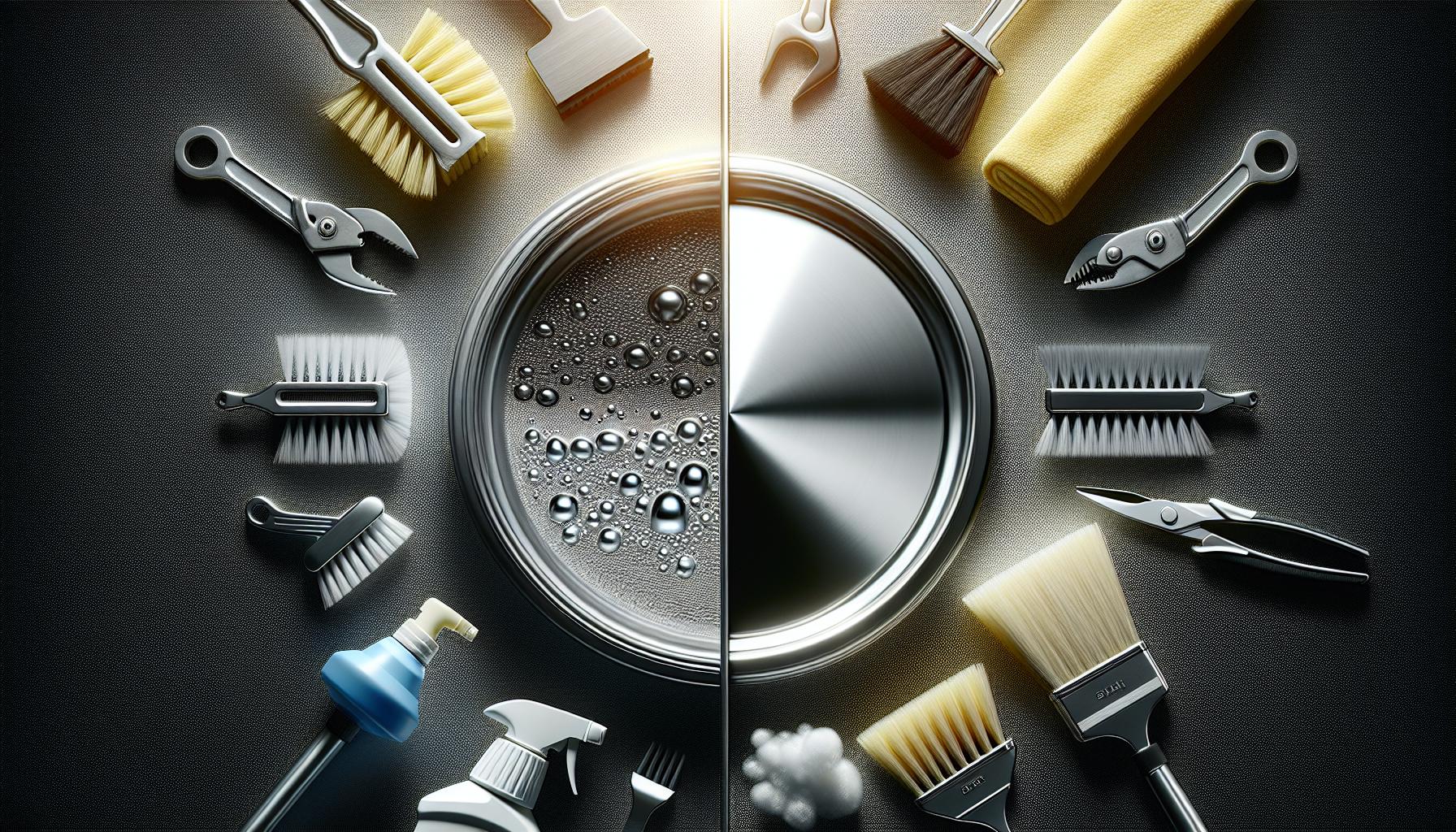
How Aluminum Oxidation Affects Shine
Aluminum is celebrated for its lightweight strength and versatility, but it often falls victim to oxidation, which significantly alters its aesthetic appeal. When exposed to moisture and air, aluminum reacts to form aluminum oxide, a dull and often chalky layer that can obscure the metal’s natural luster. This oxidative layer not only diminishes shine but can also lead to further corrosion if left unaddressed. As a result, maintaining the pristine appearance of aluminum requires proactive care and timely intervention to combat oxidation.
Recognizing the signs of aluminum oxidation is crucial for restoring shine effectively. Initially, you might notice a dullness or a grayish film on the surface, which is the oxide layer beginning to form. In some cases, you may also observe pitting or small holes, indicating that the oxidation has progressed. Addressing these symptoms early can save you time and effort in later cleaning processes, preventing the need for more aggressive restoration techniques.
To safeguard your aluminum items from losing their shine, consider incorporating a maintenance routine that includes regular cleaning and protective coatings. Using products specifically designed for aluminum helps repel moisture and impurities, thus minimizing the chances of oxidation formation. With a consistent approach, you can enjoy aluminum’s striking appearance for years to come, ensuring it retains the gleam that first attracted you to it.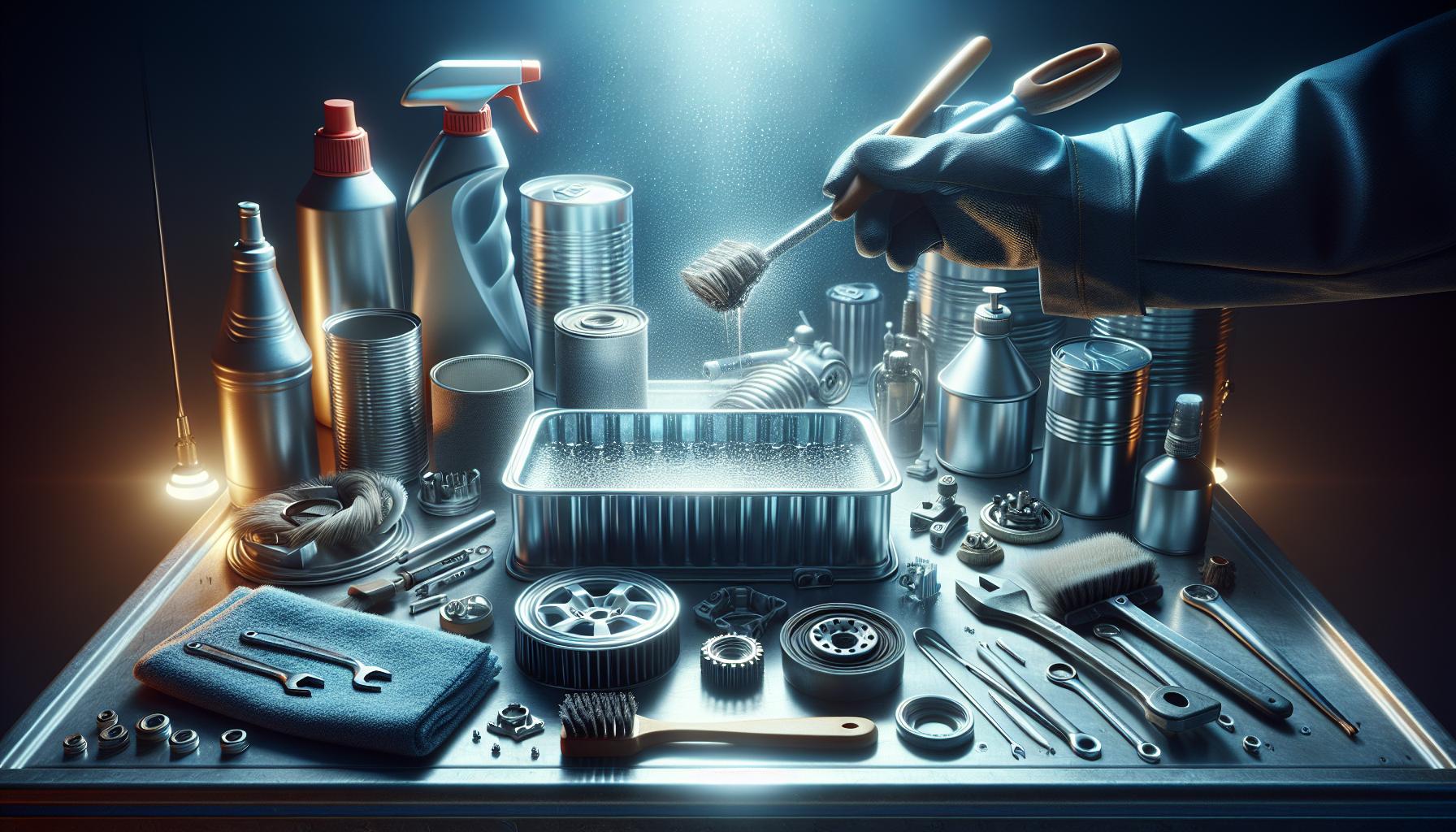
Identifying Signs of Aluminum Oxidation
Recognizing the signs of aluminum oxidation is essential for effective restoration of its shine. One of the first indicators you’ll likely encounter is a noticeable dullness on the surface. As the aluminum reacts with moisture and air, it forms a grayish film, which is the beginning of the oxide layer. If you catch this change early, the cleaning process becomes significantly simpler and less labor-intensive.
Another telltale sign of oxidation is the presence of pitting or small holes on the surface, suggesting that the oxidation process has advanced. These pits are not merely cosmetic; they indicate that the underlying metal may be suffering from more severe corrosion if not treated. Therefore, it’s crucial to address these symptoms promptly, as ignoring them can lead to more extensive damage and costly repairs later on.
For those unfamiliar with the details, regular visual inspections can prove invaluable. Different areas of your aluminum items may oxidize at different rates, especially if they are subjected to varying environmental conditions. Be sure to check regions prone to moisture accumulation, such as the bottoms of outdoor furniture or the edges of aluminum siding. A consistent look for these signs during routine cleanings not only helps maintain appearance but also extends the lifespan of your aluminum products.
Acting quickly upon recognizing these signs empowers you to take control of the maintenance process. By being proactive, you can effortlessly preserve the luster and durability of your aluminum surfaces.
Essential Tools for Effective Cleaning
To effectively restore the shine of aluminum surfaces plagued by oxidation, having the right tools at hand is essential. These tools will not only help you clean more efficiently but will also prevent further damage to your aluminum items. Start with a quality bucket, which will be your primary container for mixing cleaning solutions. A sturdy brush with soft bristles will enable you to scrub the surface without scratching it. Furthermore, microfibre cloths are indispensable; they are gentle on the surface and excellent for drying and buffing after cleaning, ensuring no lint is left behind.
Consider these essential tools:
- Bucket: For mixing cleaning solutions and rinsing.
- Soft-bristled Brush: Ideal for scrubbing oxidized areas without causing scratches.
- Microfiber Cloths: Perfect for drying and polishing the surface to a shine.
- Spray Bottle: Useful for applying cleaning solutions evenly across the surface.
- Protective Gloves: Essential for protecting your hands from harsh chemicals or sharp edges.
- Plastic Scraper: For tackling stubborn spots without damaging the metal.
When preparing for the task, gather all tools in one place to streamline your process. This proactive step not only makes cleaning more efficient but also minimizes the risk of injury or damage that can occur in the rush to find tools mid-cleaning. Whether you are treating your aluminum patio furniture, kitchen fixtures, or automotive parts, these tools will help you tackle oxidation effectively and restore that glossy finish. Embrace these practical elements, and you’ll feel empowered to maintain your aluminum surfaces with confidence.
Choosing the Right Cleaning Solutions
To achieve a brilliant shine on aluminum surfaces, selecting the appropriate cleaning solutions is key. The chemistry of aluminum makes it particularly susceptible to oxidation, which can dull its finish and compromise its structural integrity if not addressed promptly. Effective cleaning solutions not only help in removing oxidation but also protect the metal from further damage.
Start with a mild acid, such as vinegar or lemon juice, which naturally breaks down oxidation without risking harm to the aluminum. Create a cleaning mixture by combining equal parts of water and either vinegar or lemon juice in a spray bottle. Apply this solution to the oxidized areas, allowing it to sit for several minutes to penetrate and dissolve the oxidation. Rinse thoroughly with water after scrubbing the surface to remove any residue.
For more stubborn oxidation, consider using a commercial aluminum cleaner specifically formulated for metal restoration. Brands like Mothers Mag & Aluminum Polish and Star brite Aluminum Cleaner are popular choices that consistently deliver impressive results. Follow the manufacturer’s instructions carefully. Typically, you will apply the cleaner using a soft cloth or a sponge, allowing it to work before rinsing with clean water.
It’s crucial to avoid harsh abrasive cleaners that can scratch the metal, leading to further oxidation and a dull appearance. Always check the labels of cleaning products to ensure they’re safe for aluminum use. By , you set the stage for restoring aluminum surfaces to their original gleam, guaranteeing long-lasting results and enhanced aesthetics.
Step-by-Step Guide to Removing Oxidation
To effectively eliminate oxidation from aluminum surfaces, it’s critical to follow a systematic approach that guarantees results. Begin by assessing the extent of the oxidation: light tarnishing can often be treated with household solutions, while heavily oxidized surfaces may require more specialized products. Understanding the condition of your aluminum will inform your cleaning strategy.
Start with a mild cleaning solution made from equal parts water and white vinegar or lemon juice. These natural acids are excellent for breaking down light oxidation. Fill a spray bottle with your mixture, spray it over the tarnished area generously, and let it sit for about 10 minutes. This allows the solution to penetrate the oxidation. While waiting, gather a non-abrasive scrubbing pad or a soft cloth. After the solution has sat, gently scrub the surface in circular motions. The goal is to lift the oxidation without scratching the aluminum. Rinse the area thoroughly with water to remove any residual solution, which could cause further oxidation if left on the metal.
For more severe oxidation, commercial aluminum cleaners come into play. Look for trusted brands like Mothers Mag & Aluminum Polish or Star brite Aluminum Cleaner. These specialized products contain chemical agents specifically designed to remove tough stains without damaging the aluminum surface. Apply the cleaner according to the manufacturer’s instructions, typically using a soft cloth. Work in small sections, applying the cleaner and allowing it to sit according to the product’s guidelines. Follow up with a soft scrub and rinse with water to reveal a refreshed shine.
After your cleaning process, evaluate the aluminum’s coating. If it appears dull or unprotected, consider applying a wax or polish designed for metals. This additional layer helps prevent future oxidation by creating a barrier against environmental factors. Regular maintenance will keep your aluminum surfaces looking their best, reducing the need for intensive cleaning down the line.
Tips for Restoring Aluminum Shine Instantly
To achieve an instant restoration of aluminum’s shine, you need methods that deliver quick and visible results. One of the most effective techniques involves using common household ingredients that are safe for both the metal and the environment. Start by mixing equal parts of baking soda and water to form a thick paste. This combination not only acts as a mild abrasive but also neutralizes any oxidation on the surface. Apply the paste directly onto the tarnished areas using a soft cloth or sponge, and work it in with gentle, circular motions. You’ll see the oxidation start to lift, revealing the underlying shine.
For an immediate boost, consider leveraging the natural acidity of white vinegar or lemon juice. Dampen a soft cloth with either liquid, and then wipe it over the aluminum surface. The acid helps to dissolve the oxidation buildup while the cloth polishes the metal. Rinse thoroughly with water afterward to prevent any residue from promoting further oxidation. If time is of the essence, this method allows you to achieve a remarkable shine in minutes.
In some cases, a commercial aluminum polish can be your best ally. Brands like Mothers or Star brite offer products specifically designed to tackle tough oxidation. For optimal results, apply the polish according to the manufacturer’s instructions using a clean, soft cloth. Focus on small sections to ensure thorough coverage, and buff the surface to bring out a brilliant finish. This method not only enhances the visual appeal but also forms a protective barrier that hinders future oxidation-a critical step in maintaining the shine you’ve worked hard to restore.
Lastly, always follow up your cleaning with a protective measure to maintain the shine over time. Applying a thin layer of automotive wax or a specialized metal polish can create an ongoing shield against environmental factors. By incorporating these practices, you will not only restore the aluminum’s shine instantly but also keep it looking great for longer.
Preventing Future Aluminum Oxidation
Preventing aluminum oxidation starts with understanding the environmental factors that contribute to this process. The exposure to moisture, air pollution, and salt can accelerate oxidation, leading to unsightly dullness and pitting on your aluminum surfaces. To maintain that brilliant shine, it’s essential to adopt a proactive approach that mitigates these elements.
Regular Cleaning Routine
Establish a regular cleaning schedule to prevent buildup that leads to oxidation. Use a mild detergent mixed with warm water and a soft cloth to wipe down aluminum surfaces at least once a month. This simple maintenance task removes dirt and grime that can retain moisture against the metal. Always follow up with a thorough rinse and dry the surface completely to minimize the chances of moisture sitting on the metal.
Protective Coatings
Applying a protective coating is one of the most effective ways to shield aluminum from oxidation. Consider using a high-quality automotive wax or a specialized metal polish after cleaning. These products create a protective seal that repels moisture and dirt. For outdoor aluminum furniture or fixtures, a non-abrasive sealer can be a game changer. Reapply these coatings every few months, especially after any cleaning that may strip the surface of these protective layers.
Environmental Adjustments
If possible, store aluminum items in a dry, sheltered location. If you live in a coastal area or somewhere with high salt exposure, consider using covers or tarps to protect outdoor aluminum equipment from the elements. Additionally, ensuring proper ventilation in storage spaces can help minimize humidity, further reducing the risk of oxidation.
By implementing these straightforward yet effective strategies, you will not only maintain the luster of your aluminum but also extend its lifespan, keeping it vibrant and protected against the ravages of oxidation. Remember, consistent care today leads to an enduring shine tomorrow.
Advanced Techniques for Stubborn Stains
No matter how well you care for aluminum, stubborn stains can sometimes cling on, robbing your surfaces of their shine. Luckily, effective techniques exist to tackle these challenges head-on. One of the most powerful allies in your cleaning arsenal is a simple paste made from baking soda and water. Combine three parts baking soda with one part water to create a thick paste. Apply this solution generously to the stained area, and use a soft cloth or sponge to scrub gently. The mild abrasive nature of baking soda helps lift stains without scratching the aluminum. Allow the paste to sit for about 10 minutes before rinsing thoroughly with warm water.
For more severe oxidation or discoloration, consider utilizing white vinegar or lemon juice, both of which are natural acids that can effectively break down oxidation. Spray or apply these liquids directly onto the affected spots. Let the solution sit for 5-10 minutes to penetrate, then scrub gently with a soft-bristle brush. Rinse the area with water to neutralize the acid. This method doesn’t just remove oxidation; it also imparts a fresh scent to your aluminum surfaces.
If you still face challenge, fine-grade steel wool can be an effective tool for those particularly stubborn spots, especially on outdoor furniture or fixtures that have faced harsh conditions. Choose 0000-grade steel wool for a non-scratch approach and rub gently in the direction of the grain. Always follow up with a thorough wash and rinse to remove any steel wool residue. For an added layer of protection and shine, finish your cleaning process with a metal polish specifically designed for aluminum, ensuring to follow the manufacturer’s instructions for the best results.
Implementing these advanced cleaning techniques not only restores your aluminum’s luster but also empowers you to maintain its brilliance for the long haul. Tackling stubborn stains need not be a daunting task-equipped with the right tools and techniques, you can enjoy a gleaming surface that stands the test of time.
Maintaining Aluminum’s Luster: Best Practices
To keep aluminum gleaming and free from oxidation, regular maintenance is essential. With the right techniques and knowledge, maintaining aluminum’s luster becomes a manageable task. One particularly effective strategy is to incorporate routine cleaning into your upkeep schedule. Use a soft cloth or sponge to wipe down aluminum surfaces with mild soap and water, ensuring you remove dust and debris that can lead to scratches or oxidation. For a deeper clean, consider using a specialized aluminum cleaner that not only cleans but also protects against future damage.
Utilizing Protective Coatings
Applying a protective coating is another excellent way to maintain aluminum’s shine. A high-quality aluminum polish or sealant creates a barrier against moisture and pollutants, significantly extending the lifespan of your surfaces. Follow the product instructions carefully: typically, you would apply the polish using a microfiber cloth in circular motions, allowing it to dry before buffing to a brilliant shine. This technique consistently provides lasting results that make your aluminum items look brand new.
Storage and Environmental Considerations
Pay attention to the environment in which your aluminum items are stored. If possible, keep outdoor aluminum fixtures covered or stored indoors during harsh weather conditions. Sunlight, humidity, and extreme temperature fluctuations can accelerate oxidation. For those pieces that remain outdoors, opt for aluminum furniture designed to withstand the elements, and perform seasonal deep cleans to prevent buildup.
Regular Inspections
Lastly, treat your aluminum surfaces to regular inspections. Look for early signs of oxidation, such as dull areas or discoloration. Catching these indicators early means you can use less aggressive cleaning methods, preserving the integrity of the metal. By being proactive and incorporating these best practices into your routine, you’ll not only restore aluminum’s shine but also ensure it remains a radiant asset to your home or business for years to come.
Eco-Friendly Cleaning Alternatives for Aluminum
Using eco-friendly alternatives for cleaning aluminum not only safeguards the environment but also protects your surfaces from harsh chemicals that can lead to further oxidation. These natural cleaners can effectively combat the dullness caused by oxidation, allowing you to restore the shine of your aluminum items without causing any harm to the underlying material.
Baking soda is a powerhouse in eco-friendly cleaning. Create a paste using three parts baking soda to one part water. Apply this mixture gently onto the oxidized areas using a soft cloth. As you scrub in circular motions, the mild abrasiveness of baking soda boosts shine while lifting away tarnish. After cleaning, rinse thoroughly with water and dry with a microfiber cloth for a sparkling finish. Not only is this method effective, but it’s also cost-efficient and safe for the environment.
Another excellent choice is white vinegar, known for its natural acidity that breaks down oxidation efficiently. Mix equal parts of white vinegar and water in a spray bottle. Spray the solution directly on the aluminum surface and let it sit for a few minutes. Once the oxidation has been softened, wipe it away with a soft cloth. For tougher spots, you can sprinkle a little baking soda over the vinegar to create a fizzing reaction that adds extra cleaning power, helping to remove stubborn stains.
Lastly, consider using olive oil or any plant-based oil after cleaning to enhance the sheen of your aluminum. Just apply a small amount to a clean cloth and buff the surface in circular motions. This not only restores shine but also creates a protective layer that can help prevent future oxidation. By using these eco-friendly alternatives, you’ll maintain the luster of your aluminum items while contributing positively to the planet.
Common Mistakes to Avoid When Cleaning
When it comes to cleaning aluminum oxide, ensuring the best results isn’t just about what you do but also what you avoid. Many people unknowingly make common mistakes that can lead to damage or subpar cleaning outcomes. One of the most frequent errors is using abrasive sponges or steel wool. While these materials might seem effective for removing oxidation, they can scratch the surface of the aluminum, leading to further oxidation and a dull appearance. Instead, opt for soft cloths or non-abrasive pads, which are gentle enough to protect the finish while effectively cleaning away grime.
Another mistake is improper cleaning solution application. Many individuals apply cleaners haphazardly, failing to follow instructions for dilution or application time. This can reduce the effectiveness of the cleaner and may even harm the surface if left on too long. For instance, if using vinegar, always follow a 1:1 ratio with water and allow it to penetrate the oxidized area for a few minutes before wiping. Applying solutions in well-defined sections and following product instructions will yield the best results.
Failing to rinse thoroughly after cleaning is another critical misstep. Residue from cleaners can attract dirt and cause a new layer of oxidation to form, negating your hard work. Make it a point to rinse your aluminum items with clean water after using any cleaning solution, and ensure they are completely dry with a microfiber cloth. This simple step can go a long way in maintaining the shine of your aluminum surfaces.
Lastly, not being aware of the weather conditions can also hinder your cleaning efforts. Cleaning aluminum during humid or rainy days can prevent it from drying properly, leading to streaks or ongoing oxidation. Opt for a dry, sunny day to ensure the aluminum dries effectively and retains its newly restored shine. By avoiding these common pitfalls, you set yourself up for successful cleaning and long-lasting protection against future oxidation.
When to Seek Professional Help for Restoration
When your aluminum surfaces show signs of severe oxidation, it may be time to consider enlisting professional help. While many cleaning techniques can effectively manage light to moderate oxidation, deeper or more extensive damage often requires specialized treatment that goes beyond typical DIY methods. For instance, if the aluminum has developed a pitted texture or a chalky residue despite your best cleaning efforts, it’s an indication that underlying structural issues may be present. Professionals possess the tools and expertise necessary to analyze the condition of the aluminum and recommend appropriate restoration techniques.
One key reason to seek professional assistance is if you’re dealing with large or intricate aluminum structures, such as patio furniture, outdoor fixtures, or RVs. These items can be cumbersome and difficult to clean properly without the right equipment. Professionals can efficiently handle these tasks, delivering results that restore not only shine but also longevity. They often utilize industrial-grade cleaning agents and equipment, such as pressure washers and polishing machines, ensuring a level of cleanliness and restoration that’s hard to achieve at home.
Furthermore, if the oxidation has been left unaddressed for an extended period, it might have developed into a more complex problem involving corrosion or other forms of degradation. In such cases, attempting to clean or restore these surfaces without adequate knowledge or equipment can lead to further damage. Letting experts handle the work ensures that you’re not only restoring the aesthetic appeal but also preserving the integrity of the material.
Lastly, if you’re unsure about the cleaning products you should use or if you’ve had negative experiences with incorrect cleaners, consulting a professional can save you time and frustration. They can offer personalized recommendations tailored to your aluminum type, ensuring you avoid common pitfalls and choose a solution that provides effective results, thus protecting your investment.
Insights and Conclusions
Now that you know how to effectively clean aluminum oxidation and restore that brilliant shine, it’s time to take action! Start by gathering the necessary supplies, such as your aluminum cleaner, soft cloths, and gloves. Remember, a clean, shiny aluminum surface not only enhances the beauty of your items but also prolongs their lifespan. Don’t let oxidation dull your possessions-apply these techniques today for immediate results!
For more tips on maintaining your home’s exterior and other cleaning hacks, check out our articles on “The Best Methods for Polishing Metal” and “How to Prevent Corrosion on Aluminum.” These resources will help you keep your items in pristine condition and address any lingering cleaning concerns you may have.
Join our community of cleaning enthusiasts by signing up for our newsletter, where you’ll get expert advice delivered right to your inbox. Having trouble? Share your questions or comments below; we’re here to help! Take the next step towards a sparkling clean home-you’ve got this!
Get our latest guides, news, and insights highlighted in your Google Search & AI Overviews.


