
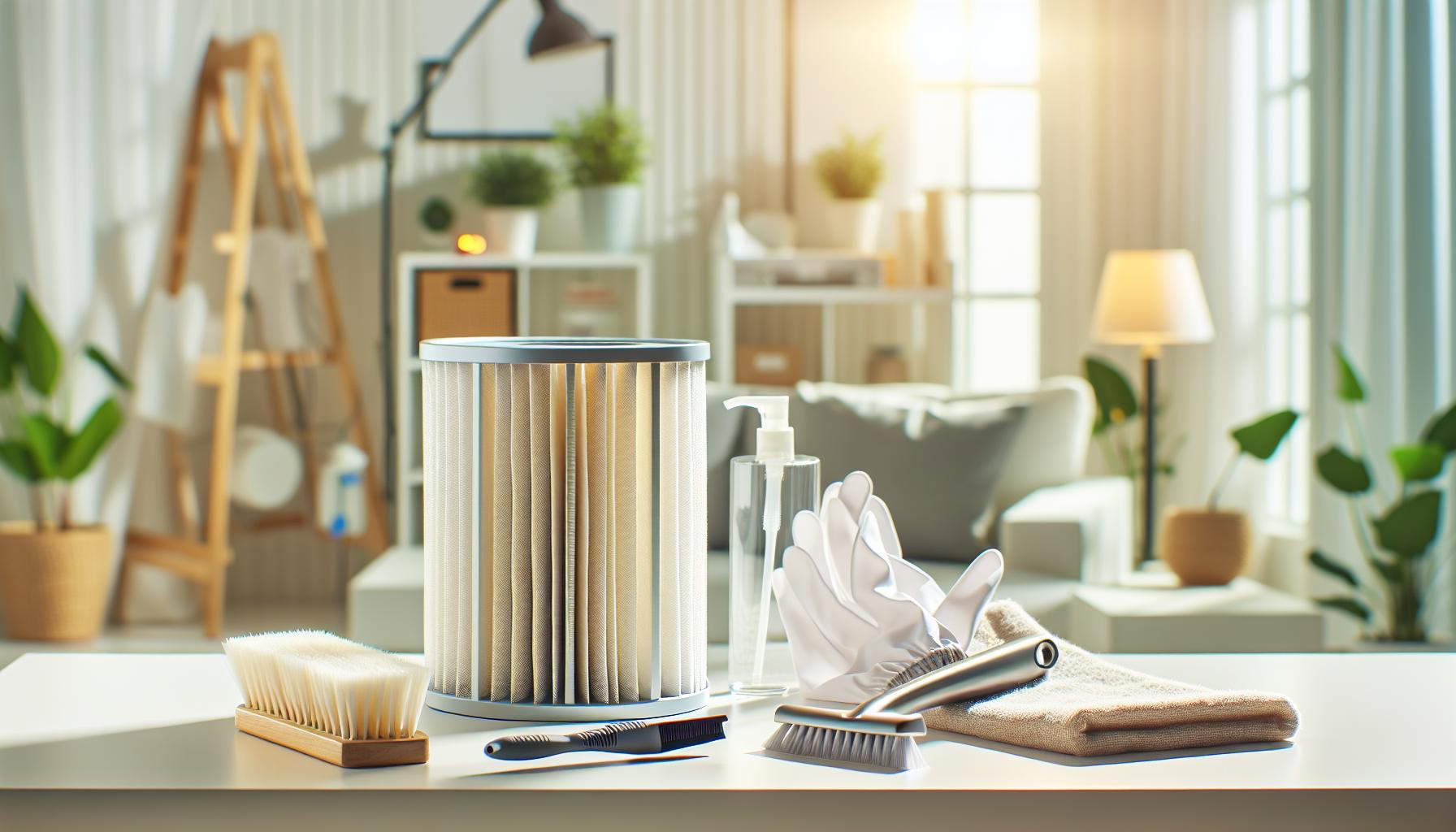

Did you know that a well-maintained HEPA filter can significantly improve your indoor air quality and extend its lifespan? Many homeowners wonder about the possibility of cleaning used HEPA filters, especially when faced with tight budgets or environmental concerns related to waste. Understanding how to safely clean and maintain these filters not only ensures cleaner air in your living space but also supports a sustainable approach to home maintenance.
In this article, we’ll explore effective methods for cleaning HEPA filters, dispelling common myths and empowering you to take control of your home’s air quality. Whether you’re dealing with allergens, dust, or other pollutants, knowing how to extend the life of these filters can save you money and promote a healthier environment for you and your family. Continue reading to discover proven techniques that can help you achieve optimal results without compromising on safety or effectiveness.
Understanding HEPA Filters: How They Work
HEPA filters are marvels of modern air purification technology, cleverly designed to trap at least 99.97% of particles as small as 0.3 microns. This capability makes them incredibly effective against allergens such as dust mites, pollen, mold spores, and pet dander. The science behind a HEPA filter lies in its intricate structure, comprised of a dense mat of fibers that acts both as a mechanical and electrostatic barrier. When air passes through these filters, large particles are captured by direct interception, while smaller particles stick to the fibers through diffusion. This dual-action approach ensures that the air circulating in your home remains clean and fresh, significantly improving indoor air quality.
Understanding how HEPA filters operate empowers you to maintain them effectively. These filters work best when they are free of dust and debris, which means regular cleaning or replacement is crucial. However, because HEPA filters are primarily designed to trap particles rather than allow airflow to pass freely, excessive dirt can lead to reduced efficiency. Hence, it’s vital to monitor their condition regularly and take necessary action based on factors such as usage, type of pollutants present, and the environment they operate in. By staying proactive about HEPA filter maintenance, you can extend their lifespan, improve air quality, and save on replacement costs.
When considering the cleaning process, it’s essential to approach it with care. While some HEPA filters can be vacuumed gently to remove surface dust, others may be designed for one-time use, and attempting to clean them could lead to damage or loss of filtration effectiveness. Always refer to the manufacturer’s guidelines for cleaning instructions specific to your filter model. This way, you ensure both optimal performance and longevity of your investment in air purification technology.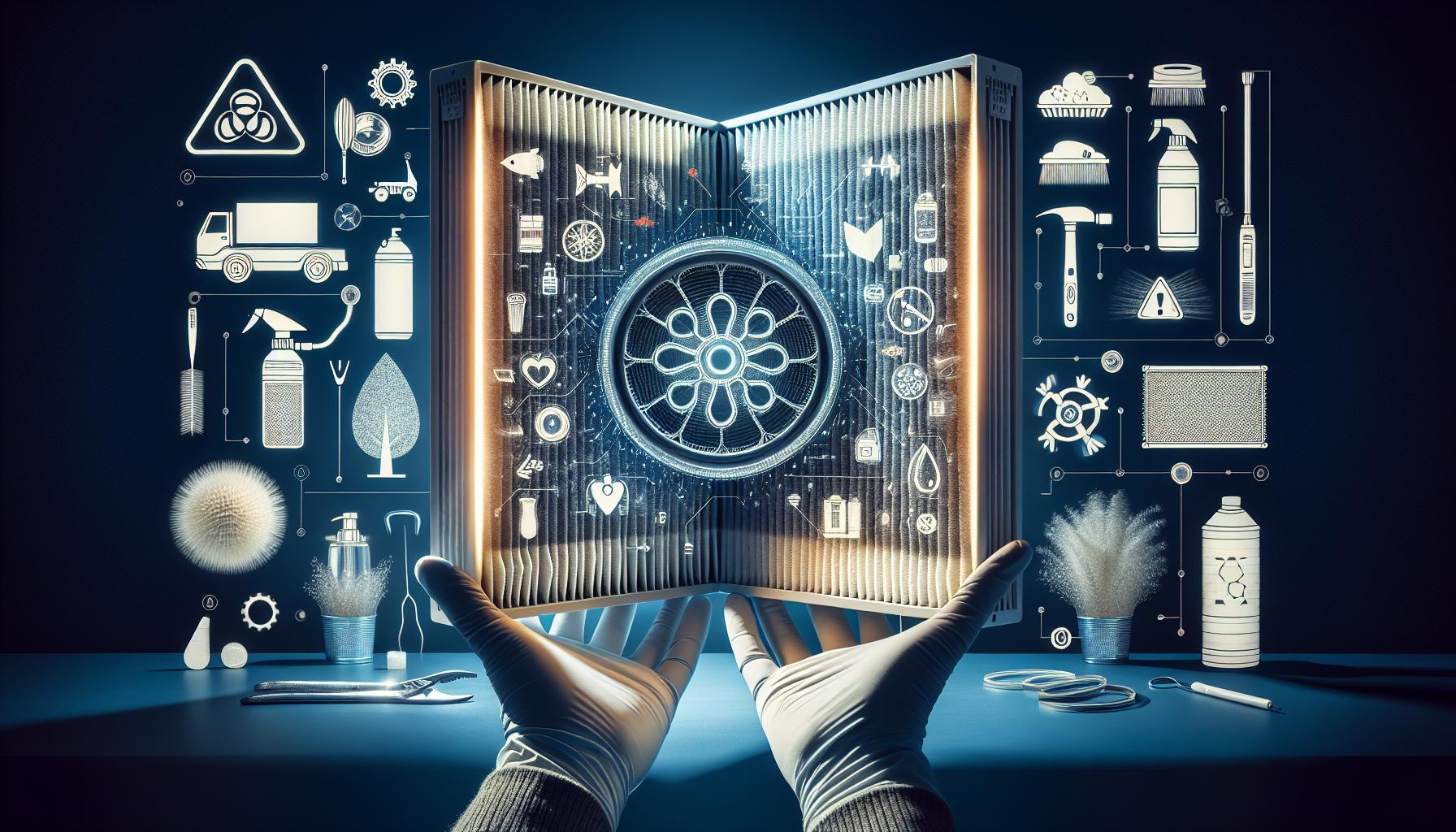
Is Cleaning a HEPA Filter Safe?
Cleaning a HEPA filter is a topic that can spark significant debate among homeowners and professionals alike. The safety and effectiveness of cleaning these filters often depend on the type and design of your specific HEPA filter. Many HEPA filters are designed for one-time use, meaning once they’ve reached their maximum capacity for capturing particles, they should be replaced rather than cleaned. Attempting to clean these disposable HEPA filters can actually compromise their efficiency and lead to a decrease in your indoor air quality.
However, if you own a reusable HEPA filter, you can safely extend its lifespan through proper maintenance. Start by referring to the manufacturer’s guidelines for cleaning. This will ensure that you’re following the best practices recommended for your specific filter model. Generally, cleaning involves gently vacuuming the filter to remove surface dust. Use a soft brush attachment, and always ensure your vacuum is on a low setting to avoid damaging the fibers. For deeper cleaning, some filters can be rinsed gently with water, but never use harsh chemicals or abrasive materials, as these can degrade the filter’s structure.
Moreover, it’s crucial to regularly assess the condition of your HEPA filter. If you notice any signs of excessive dirt buildup that vacuuming cannot resolve, it may be time to replace the filter, regardless of its designated reuse capabilities. Remember, the risk of reduced air quality from a clogged filter outweighs the benefits of trying to extend its life through improper cleaning methods. Ultimately, prioritize the health of your indoor air environment by making informed decisions about your HEPA filter’s maintenance and replacement.
Effective Methods for Cleaning HEPA Filters
Cleaning your HEPA filter can significantly extend its life and maintain the quality of air in your home, allowing you to breathe cleaner and healthier air without immediately replacing your filter. Understanding the methods to clean these filters properly is essential for effective maintenance.
To start, always check if your HEPA filter is washable; not all filters are designed for cleaning. If your filter is marked as washable, gently remove it from your device following the manufacturer’s instructions. Use a vacuum cleaner with a soft brush attachment to carefully remove loose dust and particles. Ensure that your vacuum is set to a low setting to protect the delicate fibers of the filter. This method consistently helps clear out larger debris without compromising the structure of the filter itself.
For filters that allow further cleaning, run it under cold water to rinse out any accumulated dust and allergens. This step should be performed every couple of months to maintain optimal performance. Avoid using any soaps or cleaning agents, as these substances can leave residues that may hinder the filter’s effectiveness. Instead, let the filter air dry completely before reinserting it into your appliance. A quick tip: ensure it is thoroughly dried in a well-ventilated area, as moisture could lead to mold growth and defeat the purpose of using a HEPA filter.
Lastly, while cleaning can extend the life of reusable HEPA filters, it’s imperative to recognize the signs that indicate it’s time for a replacement. If your filter appears visibly soiled or the airflow from your device is noticeably reduced, it’s best to replace the filter. Regular monitoring and proactive maintenance will help you maintain not only the filter itself but also the overall air quality in your home.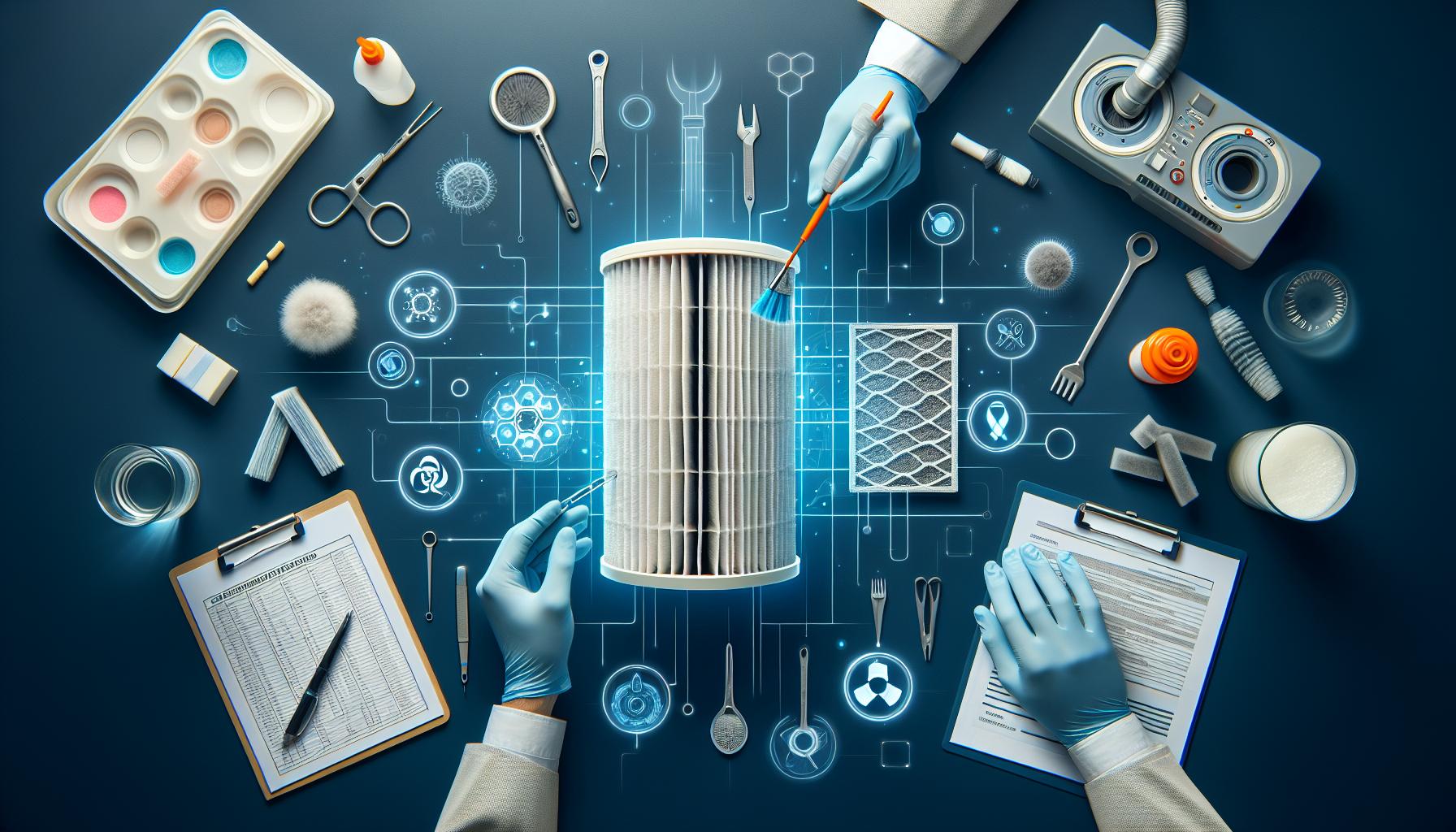
Signs Your HEPA Filter Needs Replacement
If you’re wondering whether your HEPA filter has outlived its usefulness, several telltale signs can indicate it’s time for a replacement. One of the most immediate indicators to watch for is a noticeable decrease in airflow. If your air purifier or HVAC system is struggling to maintain its intended airflow, this could mean the filter is clogged, hampering its ability to provide clean air. Reacting promptly to this symptom not only preserves your equipment’s efficiency but also safeguards your health by ensuring indoor air quality remains high.
Another clear sign of a filter needing replacement is visible dirt or discoloration. HEPA filters are designed to trap fine particles, so if you notice heavy dust accumulation or staining, it’s an undeniable signal that the filter is no longer effective. Imagine a sponge filled to capacity; once it can absorb no more, it ceases to function. Similarly, a HEPA filter that appears visibly soiled is overwhelmed and can no longer capture additional allergens and pollutants.
Frequent allergy flare-ups in your household members are also a key indication. If you or your family members begin experiencing increased symptoms such as sneezing, congestion, or eye irritation, it may be a sign that your filter isn’t performing its job. A reduction in its filtration ability directly correlates to the quality of air and, ultimately, the well-being of your household. Regular monitoring eliminates guesswork and helps you keep your living space safe and healthy.
Lastly, keep an eye on the manufacturer’s recommended replacement schedule. Many HEPA filters have a specific lifespan, often ranging from six months to a year, depending on usage and environmental conditions. Adhering to this timeline is crucial; waiting too long can diminish your air quality significantly. When in doubt, prioritize your health-if you notice any of these signs, it’s best to replace your HEPA filter promptly, allowing you to enjoy cleaner, fresher air in your home.
How to Extend the Life of Your HEPA Filter
To maximize the lifespan of your HEPA filter and maintain optimal indoor air quality, implementing a few strategic practices is essential. First, ensure that your filter is used in conjunction with a pre-filter. Pre-filters catch larger particles, which reduces the burden on your HEPA filter and prolongs its efficiency. This step alone can significantly extend its operational life, which is particularly useful in environments with high dust or pet hair.
Another critical aspect is maintaining appropriate humidity levels in your home. Excessive moisture can lead to mold growth, particularly within the filter itself, which can compromise its air-cleaning ability. Aim to keep indoor humidity between 30% and 50%. Using a dehumidifier if necessary can help achieve and maintain this balance. Monitoring humidity not only preserves the function of your filter but also contributes to healthier indoor air conditions overall.
Regularly check and clean your air purification system’s exterior. Dust and dirt accumulating on the unit can obstruct airflow, forcing the HEPA filter to work harder and reducing its lifespan. Wipe down the unit with a damp cloth weekly, and vacuum any accessible vents and grilles to maintain optimal performance. Additionally, keep the area around the air purifier free from obstructions to ensure proper airflow.
Finally, be mindful of the operating time of your HEPA filter. If your unit has variable settings, consider running it at lower speeds for longer periods rather than opting for maximum power continuously. This approach minimizes stress on the filter while still providing effective air cleaning. By adopting these strategies, you ensure your HEPA filter remains effective and lasts longer, allowing you to breathe easier in your home while avoiding unnecessary replacements.
Common Mistakes to Avoid When Cleaning Filters
Cleaning HEPA filters can significantly extend their lifespan and improve indoor air quality, yet many users inadvertently adopt habits that undermine their efforts. Recognizing and avoiding common missteps can transform your filter cleaning routine into a highly effective practice.
One of the most significant mistakes is using harsh chemicals during the cleaning process. While it might seem logical to apply a strong cleaning agent to eliminate dirt and allergens, doing so can damage the filter material, rendering it less effective. Instead, utilize only mild soaps or simply water to rinse washable HEPA filters. A quick rinse under cold water-a process that should be done every few months-can effectively remove dust and debris without compromising filter integrity.
Another frequent error is neglecting the manufacturer’s guidelines. Each HEPA filter is designed with specific maintenance recommendations. For instance, some filters are labeled as “washable,” while others are not, and washing a non-washable filter can lead to costly replacements. Always consult the owner’s manual for instructions. Moreover, people often overlook the importance of proper drying. After rinsing, it’s critical to let the filter air dry completely before reinstallation. Placing a damp filter back into your device fosters mold growth, counteracting the very air quality improvements you aim to achieve.
Lastly, it’s essential to avoid cleaning the filter too frequently. While regular maintenance is crucial, excessive cleaning can lead to the wear and tear of the filter media, ultimately shortening its lifespan. A good rule of thumb is to check the filter every month; if it appears excessively dirty or discolored, then it’s time for a cleaning. By adopting these best practices, you can ensure that your HEPA filter remains in top working condition, preserving the air quality in your home and maximizing the value of your investment.
Alternative Options to Replace HEPA Filters
If replacing HEPA filters is weighing on your mind and budget, it’s crucial to explore alternative options that can help maintain air quality without breaking the bank. Many HEPA filters, especially the higher-quality models, can be quite costly and also contribute to waste. Fortunately, there are several strategies you can implement that not only extend the life of your existing filters but also address your air purification needs effectively.
Consider Upcycling and DIY Solutions
One innovative approach is to consider upcycling. Some users have successfully utilized alternative materials-like high-grade furnace filters or activated charcoal filters-as temporary solutions. While these do not entirely replicate the efficacy of HEPA filters, they can offer some dust and allergen removal benefits. Another DIY method is to create a filter from a MERV-rated filter medium, which is designed to capture smaller particles. Using the right materials will help you stretch out the time between costly replacements.
Invest in Pre-Filters
Pre-filters can also play a pivotal role. By placing a pre-filter before your HEPA filter, you can significantly reduce the amount of dust and larger particles that reach the HEPA filter itself. This takes some of the load off the HEPA filter, allowing it to last longer and perform more efficiently. Remember, pre-filters usually require more frequent replacement, but they are much cheaper and can be replaced more often without a financial pinch.
Smart Monitoring
Investing in smart home technology can provide insights into your air quality and filter performance. Smart air purifiers equipped with sensors can alert you when the filter is nearing the end of its life or needs cleaning. This level of monitoring helps avoid unnecessary replacements and optimizes the use of your current HEPA filters. Such tools allow you to act at the right time, making maintenance easier and more efficient.
By employing these strategies, you can empower yourself to stretch the longevity of your HEPA filters while still ensuring the air quality in your home remains at its best. Each option not only saves money but also promotes environmentally-friendly practices by reducing waste and focusing on sustainability.
Eco-Friendly Practices for HEPA Filter Disposal
Disposing of HEPA filters in an eco-friendly manner is essential to minimize waste and environmental impact. Instead of simply throwing these filters in the trash, which can contribute to landfill issues, consider more sustainable disposal strategies that not only align with environmental concerns but also enhance your commitment to green practices.
One effective approach is to check if your local waste management facilities have specific guidelines for recycling HEPA filters. Some municipalities may offer programs that accept filters in specialized recycling streams, ensuring that the materials are processed properly and do not end up in landfills. Additionally, many manufacturers now provide take-back programs where you can send your used filters back for recycling. This is not only convenient but supports the manufacturer’s commitment to reducing environmental impact.
For those filters that cannot be recycled, it’s important to prepare them for disposal in a way that minimizes contamination risks. Place the used HEPA filter into a sealed plastic bag before discarding it. This prevents the release of trapped allergens and pollutants back into the air, protecting both you and the environment from potential harm.
Finally, consider alternatives to traditional HEPA filters altogether, such as biodegradable or more sustainable air filtration options. These newer products are designed to break down naturally without contributing to environmental issues long after disposal. By making informed choices about both the filters you use and how you dispose of them, you can significantly reduce your carbon footprint and promote a cleaner, healthier planet.
When to Seek Professional Help for Filter Maintenance
When it comes to maintaining HEPA filters, knowing when to seek professional help is crucial for ensuring optimal air quality and system performance. While some minor cleaning tasks can be handled on your own, certain situations warrant the expertise of a trained professional. If you notice a persistent musty odor or an increase in dust levels despite regular maintenance, it’s time to call in the experts. These signs indicate that your filter might be saturated with contaminants that a simple cleaning will not resolve.
Consider professional intervention if you’re unsure about the correct cleaning methods or if your HEPA filter is incorrectly installed. Improper handling can lead to decreased efficiency and potential damage to your HVAC system. Professionals have the tools and training to safely and effectively clean or replace filters, ensuring they function at peak performance. Additionally, if you’re maintaining an environment where clean air is imperative, such as in healthcare settings, professional services can help uphold strict air quality standards.
Regular inspections by professionals can extend the lifespan of your HEPA filter, saving you money in the long run. They can identify specific issues that homeowners might overlook, such as leaks or blockages that affect airflow. Furthermore, professional services often include cleaning the entire system, ensuring that contaminants do not recirculate through your home after filter maintenance. Getting your HEPA filter checked by professionals is not just a preventative measure; it’s an investment in the health and safety of your living space.
In summary, do not hesitate to reach out for expert help when faced with unusual odors, persistent dust problems, installation uncertainties, or compliance with air quality regulations. Their insights ensure your air filtration system operates effectively, making your home a healthier and more comfortable environment.
Comparing HEPA Filters: Ratings and Lifespan
Understanding the differences among HEPA filters can significantly enhance your air quality management and extend the lifespan of your filtration system. When selecting a HEPA filter, consider factors such as the filter’s efficiency rating and longevity, as these metrics directly impact performance and maintenance frequency. A True HEPA filter, for instance, must meet stringent standards, capturing at least 99.97% of particles that are 0.3 microns in size-these include dust, pollen, and even certain bacteria. In contrast, filters that are labeled as “HEPA-type” may not adhere to these rigorous standards, often leading to compromised air quality.
To effectively extend the life of a HEPA filter, regular maintenance becomes essential. Most HEPA filters can last anywhere from six months to two years, depending on usage and environmental factors, such as the presence of pets or the volume of particulate matter in the air. A key performance indicator is the filter’s airflow resistance, which can increase as the filter accumulates particles. Monitoring the airflow through your filter, if possible, will help confirm when it’s time for cleaning or replacement.
When comparing HEPA filters, also consider their construction materials and the manufacturer’s recommendations for cleaning and maintenance. A filter designed with a robust media often allows for more efficient cleaning processes, contributing to a longer lifespan. Always refer to the manufacturer’s guidelines, as some HEPA filters are washable while others are intended for one-time use. As a general rule, investing in higher-rated filters may lead to better performance and longevity, making it worthwhile to check for industry certifications and user reviews.
Lastly, if you find that your HEPA filter is consistently clogging or emitting odors despite proper maintenance, this could signal lower quality or incorrect filter use. It’s essential to balance an affordable cost with adequate performance ratings to ensure your air cleaning system operates effectively. Regularly comparing these factors can lead to informed choices that not only enhance your indoor air quality but also save you money in the long run by reducing unnecessary filter replacements.
User Experiences: Success Stories and Tips
There’s no doubt that HEPA filters are indispensable for maintaining clean air in our homes. A vibrant online community has emerged around the experiences of individuals who have taken the plunge to clean and extend the lives of their used HEPA filters, reinforcing that a little effort can yield significant rewards. Many users see remarkable results-not just in improved air quality but also in cost savings by avoiding the frequent replacement of filters.
Resilience and resourcefulness shine through in success stories where families have effectively employed a few key practices to rejuvenate their filters. Cleaning methods often involve gently tapping or shaking the filter to dislodge larger dust particles, followed by using a vacuum with a soft brush attachment-this step is crucial for removing embedded debris without damaging the filter material. Users who followed this method reported extended filter life by six months or more, which speaks to the effectiveness of regular, gentle maintenance.
However, it’s crucial to note that not all HEPA filters can be cleaned, so it’s wise to consult the manufacturer’s guidelines. Some users have made the mistake of assuming all filters were washable, only to find that they had compromised their filter’s integrity by washing those that weren’t designed for it. On the flip side, those who paid attention to specifics found that even after cleaning, their filters remained highly effective, capturing microscopic particles like allergens and even smoke.
Overall, sharing these experiences emphasizes a valuable lesson: tackling the cleaning of HEPA filters not only contributes to better indoor air quality but also fosters a sense of accomplishment. Armed with the right techniques and knowledge, homeowners can enter the world of extended filtration life, making better decisions to maintain their air quality while keeping their environments fresh and healthy. With every success story, there’s an echo of encouragement for others-cleaning a HEPA filter can indeed be a safe and impactful endeavor.
Frequently Asked Questions About HEPA Filters
Understanding your HEPA filter can significantly enhance the air quality in your home while extending the filter’s lifespan. Here are answers to some common questions that will empower you with the knowledge necessary for effective filter maintenance.
One of the most frequently asked questions is, “Can I clean my HEPA filter?” The answer to this varies based on the specific type of HEPA filter you have. Many disposable HEPA filters are designed for single use and should not be cleaned. Attempting to wash or vacuum these can damage their structure, leading to a compromise in effectiveness. On the other hand, washable HEPA filters can be cleaned, but it’s crucial to follow the manufacturer’s instructions. Most users find that a combination of gently tapping to dislodge dirt and using a vacuum with a soft brush head effectively cleans and rejuvenates these filters.
Another common inquiry relates to “How often should I replace or clean my HEPA filter?” Generally, replacing a disposable filter is recommended every 6 to 12 months. However, factors such as air quality in your area, the presence of pets, and usage frequency can influence this timeline. For washable filters, check them monthly and clean them when you notice a build-up of dust or when airflow decreases. Regular maintenance ensures optimal performance, safeguarding your indoor air quality.
People often wonder about “What if my filter smells?” If you detect a musty or foul odor emanating from your air purifier or vacuum, it often signals a dirty filter. In this case, inspect your filter closely. Cleaning may solve the issue, but if odors persist after washing, it might be time to replace the filter entirely. Odors can indicate that bacteria or mold has developed within the filter, which cleaning may not eliminate.
Lastly, some users question “Are there eco-friendly ways to dispose of HEPA filters?” Absolutely! While many HEPA filters are non-recyclable due to their particulate composition, consider local waste management guidelines for disposal. Some areas have specific instructions for disposing of hazardous waste, which may include HEPA filters. Alternatively, seek brands that offer take-back programs or investigate biodegradable filter options.
Knowing when and how to maintain or replace your HEPA filter optimally assures that your indoor environment remains both healthy and cost-effective. With the right approach, extending the life of your HEPA filter not only contributes to cleaner air but can also lead to significant savings in the long run.
Final Thoughts
By following our guide on cleaning a used HEPA filter, you not only extend its life but also enhance the air quality in your home. Remember, keeping your filter in optimal condition can significantly reduce allergens and dust, ensuring a healthier environment for you and your family. Don’t wait-apply these techniques today and enjoy fresher air!
For more tips on maintaining a clean home, check out our articles on optimizing your air quality with additional filter options or understanding the benefits of regular cleaning routines. If you’re looking for expert insights, consider signing up for our newsletter to stay updated with the latest in home care strategies. Have any questions or success stories to share? We’d love to hear from you in the comments below! Taking these small steps can lead to a huge difference in your indoor air quality and overall well-being.
Get our latest guides, news, and insights highlighted in your Google Search & AI Overviews.


