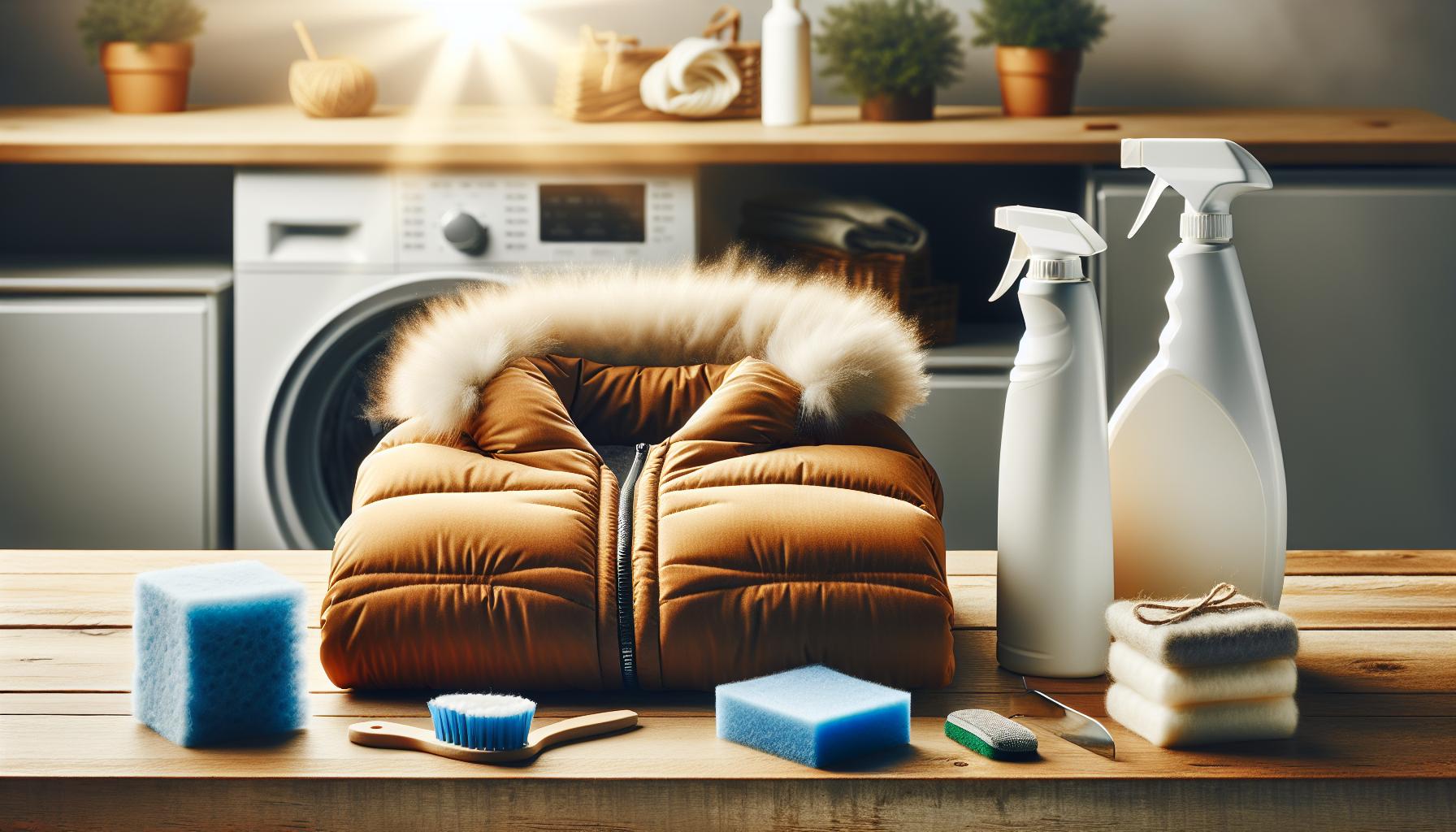
Cleaning a wool coat is essential to maintain its softness, style, and longevity. Did you know that improper care can lead to pilling, shrinking, or fabric damage? This guide not only addresses common concerns like stains and odors but also equips you with effective techniques to keep your coat looking pristine.
Wool coats are investment pieces often worn in various conditions, so knowing how to clean them properly is crucial. Imagine stepping out in your favorite coat, confident that it’s spotless and soft to the touch. By following the right process, you can refresh your wool coat without compromising its quality.
Curious about the best methods to clean and care for your woolen garment? Read on to discover step-by-step instructions that will ensure your coat remains a cherished part of your wardrobe for years to come.
Preparing Your Wool Coat for Cleaning

is essential to ensure its longevity and maintain its impeccable appearance. Before you dive into the cleaning process, take a moment to assess the condition of your coat. Inspect it for stains, dirt, and signs of wear, as this will guide your cleaning approach. Pay close attention to areas that are more prone to stains, such as the cuffs and collar.
Start by gently brushing the coat with a soft-bristled clothes brush. This step helps to remove surface dust and debris that can become embedded in the fibers. Always brush in the direction of the wool’s nap to avoid damaging the material. If your coat has pockets, check them for any forgotten items that could become damaged or cause uneven cleaning results.
Next, refresh the coat by hanging it in a steam-filled bathroom for about 30 minutes. This method allows the steam to relax the fibers, reducing wrinkles and revitalizing the natural luster of the wool. Avoid direct contact with water during this process, as too much moisture can lead to shrinking or warping. Following these preliminary steps will set the stage for an effective and gentle cleaning process, allowing your wool coat to look its best while preserving its quality for years to come.
Essential Tools for Wool Coat Care
To keep your wool coat in pristine condition, having the right tools is paramount. Many people underestimate the importance of using appropriate products and equipment, but the right tools not only make the cleaning process easier but also extend the lifespan of your coat, retaining its beauty and texture.
Start with a soft-bristled clothes brush. This is essential for gently removing dirt, dust, and lint from the coat without damaging the fibers. Always brush in the direction of the wool’s nap to ensure that you maintain the fabric’s natural texture. For stubborn dirt buildup, consider a lint roller or adhesive strips, which can effectively lift away particles without risk of harming the fabric.
A specialized wool detergent is another must-have. Regular laundry detergents can be too harsh for the delicate fibers of wool, leading to felting or shrinkage. Look for pH-neutral formulas designed specifically for wool. Follow the manufacturer’s instructions for dilution and application for best results. You’ll also need a clean, soft cloth for spot cleaning any stains; microfiber cloths work particularly well, as they are gentle yet effective at lifting stains without scratching the surface.
When it comes to drying, a mesh drying rack is a savvy investment. This allows air circulation, preventing moisture from building up, which could lead to mildew or unwanted smells. Hang your coat flat to avoid distortion in shape. Additionally, steamers are excellent for refreshing your coat after cleaning-gently steaming can remove wrinkles and restore the fibers’ natural luster without the risk of direct heat that can damage wool.
In summary, equipping yourself with the proper tools-like a soft brush, wool detergent, a microfiber cloth, and a mesh drying rack-will ensure that your cleaning efforts are effective while keeping your wool coat looking and feeling its best. With these essentials at hand, maintaining your coat’s softness and appearance becomes a straightforward task, encouraging you to care for it properly for years to come.
How to Remove Stains from Your Wool Coat

Removing stains from a wool coat requires a thoughtful approach because wool is delicate and can easily be damaged if not treated correctly. The key to effective stain removal lies in acting quickly and using the right techniques, so you don’t risk setting the stain or harming the fabric.
Begin by identifying the type of stain you’re dealing with. Common culprits include food, beverages, oils, and dirt. For most stains, the best course of action is to gently blot the area with a clean, dry cloth to absorb excess moisture. Avoid rubbing, as this can cause the stain to penetrate deeper into the fibers. For liquid stains, you can use a cloth dampened with cold water-tap it lightly without saturating the area.
### Spot Cleaning Process
To tackle the stain, apply a small amount of specialized wool detergent directly to the affected area. These detergents are formulated to be gentle on wool while still being effective at breaking down stains. Use your fingers or a soft, clean cloth to work the detergent into the stain gently. Always work from the outside of the stain inward to prevent spreading. For stubborn stains, consider creating a paste with the detergent and a bit of cold water. Apply the paste and let it sit for about five minutes before rinsing gently.
After treating the stain, rinse the area with a clean cloth dampened in cold water. Ensure all detergent residues are removed, as leftover soap can attract dirt and cause further staining. For any persistent stains, repeat the treatment or consult a professional cleaner who specializes in wool fabrics.
### Drying and Final Touches
Finally, allow your coat to air dry flat on a mesh drying rack, which promotes airflow and prevents distortion. Avoid direct sunlight or heat sources, as these can cause the wool to shrink or change shape. After it’s dry, give it a light steam to restore its texture and luster. This comprehensive method consistently removes even stubborn stains while maintaining the integrity and softness of your wool coat.
Gentle Washing Techniques for Wool
To preserve the luxurious feel and durability of your wool coat, gentle washing techniques are essential. Wool is a natural fiber known for its warmth and softness, but it’s also sensitive to heat and harsh chemicals. By employing careful washing methods, you can maintain its quality while keeping it clean and fresh.
Start by preparing your washing area: choose a clean, flat surface to work on and gather your materials. You’ll need a basin or sink filled with cold water, a mild wool detergent, and soft towels. Never use hot water, as it can cause wool to shrink. Dissolve a small amount of wool detergent in the water to create a gentle cleaning solution. Ensure that the detergent is specifically designed for wool, as regular laundry detergents can be too harsh.
When you’re ready to wash, submerge the coat gently into the water. Do not agitate or soak it for extended periods; instead, use a soft touch to avoid stretching the fibers. Press the fabric lightly to allow the detergent to penetrate and lift dirt without harming the wool. To rinse, drain the soapy water and refill the basin with fresh, cold water. Immerse the coat again, gently lifting it to remove the detergent. Repeat the rinsing process until the water runs clear, ensuring all soap residues are eliminated to prevent stiffness.
After rinsing, carefully remove excess water by laying the coat flat on a clean towel and rolling it up gently. This technique absorbs moisture without wringing or twisting, which can deform the garment. Finally, lay the coat flat to dry on a mesh rack, avoiding direct sunlight to prevent fading and distortion. This method not only protects the integrity of the wool fibers but also helps maintain the coat’s luxurious softness, ensuring you enjoy its beauty and comfort for years to come.
Drying Your Wool Coat Without Damage
To maintain the beauty and longevity of your wool coat, drying it correctly is crucial. Wool is a delicate fiber that responds poorly to high heat, which can lead to shrinkage and loss of texture. Instead of tossing your coat into a dryer, you need to adopt a more careful approach that respects its unique properties.
Begin by ensuring that your coat is free from excess water after washing. Lay the coat flat on a clean, dry towel. To absorb the moisture without distorting the shape, roll the towel with the coat inside, pressing gently but firmly. This method is far more effective than wringing, which can stretch the fibers and ruin the garment’s fit.
Once you have removed as much water as possible, it’s time to set the coat on a drying rack or a flat, breathable surface away from direct sunlight and heat sources. Avoid hanging the coat, as this could lead to sagging or misshaping. Position the coat so that it maintains its natural shape, and gently smooth out any wrinkles or creases. For an extra safeguard against deformities, you might consider placing another towel underneath to further absorb moisture as it dries.
Lastly, allow your wool coat ample time to dry completely, which might take several hours or even overnight depending on the humidity of your environment. Patience is key here; rushing the drying process could severely compromise the quality of your garment. By following these steps, you ensure that your coat remains soft, retains its shape, and looks immaculate season after season.
Tips for Maintaining Wool Coat Softness
To ensure your wool coat remains soft and inviting, it is essential to adopt a consistent care routine that respects the unique qualities of wool. One significant factor affecting softness is the presence of dirt and oils, which can contribute to a coarser feel over time. Regular gentle brushing with a soft-bristle garment brush can lift away surface dirt and restore the coat’s natural luster. Brushing not only helps maintain a fresh appearance but also reduces the need for frequent washing, which can wear down fibers.
When washing your wool coat, always opt for a wool-specific detergent that is mild and free from harsh chemicals. These detergents are specially formulated to clean without stripping the natural oils that give wool its softness. Wash in cold water using a delicate cycle; this helps prevent shrinkage while keeping the fibers intact. Remember, it’s crucial to avoid fabric softeners, as they can leave residues that make the wool feel stiff and diminish its natural softness.
After washing, the drying process plays a vital role in maintaining the coat’s soft texture. Follow the previous guidelines closely, ensuring to gently press out excess water without wringing, and lay the coat flat to dry. Additionally, consider using a wool conditioner during your washing routine to enhance softness. This product can work wonders by replenishing the natural oils lost over time, rejuvenating the fibers, and keeping your coat feeling luxurious.
Finally, when it comes to storage, choose breathable garment bags or cotton covers instead of plastic, as these materials prevent moisture accumulation and allow the fibers to breathe. Hanging your coat can lead to stretching; instead, opt for folding it neatly to avoid distorting its shape. By incorporating these practices into your wool coat care routine, you’ll ensure it remains soft, comfortable, and beautiful for many seasons to come.
How to Safely Store Your Wool Coat
To extend the life and maintain the pristine condition of your wool coat, proper storage is essential. This is especially important during off-seasons when you may not wear your coat for extended periods. Utilizing the right storage techniques not only protects the quality of the wool but also ensures that your coat remains ready for wear whenever you need it.
First and foremost, avoid using plastic covers, as they trap moisture and can lead to mildew or odors. Instead, opt for breathable fabric garment bags that protect the coat from dust while allowing air circulation. If you lack a garment bag, a cotton sheet can serve as an effective alternative. Simply wrap your coat in the sheet, ensuring that it is secure but not too tight, as this will help maintain its shape and keep it fresh.
When it comes to the placement of your coat, consider storing it in a cool, dry place away from direct sunlight, which can fade colors and weaken fibers. It’s also advisable to fold your coat neatly rather than hanging it, as hanging can lead to stretching and distortion of the fabric. To further prevent any unwanted wrinkles or creases, place a layer of acid-free tissue paper in the folds where necessary to provide support and structure.
By implementing these straightforward storage practices, you’ll ensure that your wool coat remains in excellent condition for many seasons. Taking the time to store your coat properly not only protects its soft texture and rich appearance but also saves you from potential costly replacements in the future. Consistency in care is key-when you respect the integrity of the wool, it rewards you with lasting beauty and wearability.
Using Professional Cleaning Services: When and Why
Using professional cleaning services can be a game changer in maintaining the beauty and longevity of your wool coat. Although regular at-home care is essential, certain circumstances call for the expertise of professionals. For instance, if your wool coat has absorbed stubborn odors-think smoke, mustiness, or lingering food smells-home remedies might only mask the problem. A specialized cleaner uses techniques like ozone treatment or steam cleaning to eliminate these odors effectively without damaging the fibers.
In addition, if you notice deep stains or discoloration, don’t hesitate to seek professional help. These experts have access to advanced stain removal products that are safe for wool yet powerful enough to tackle issues that washing at home may not resolve. Remember, certain stains-like red wine or ink-require prompt attention; delaying could set the stain and make it significantly harder to remove later. A professional service can skillfully lift these blemishes while caring for the integrity of your coat.
Moreover, if your coat features intricate designs or embellishments, it’s wise to avoid DIY cleaning methods. Professionals understand how to navigate the delicate balance between cleaning and preserving these details, ensuring they remain intact. Hand-finishing and quality control during the cleaning process are essential to maintain these unique characteristics. It also means you won’t end up with frayed edges or missing adornments.
Lastly, consider the seasonal nature of labor-intensive cleanings. At the end of winter, when your wool coat has seen the most wear, a thorough professional cleaning not only refreshes it but also prepares it for safe storage. Opt for a service that specializes in wool and has positive reviews to ensure your beloved coat gets the expert treatment it deserves. By knowing when and why to enlist the help of a professional, you can prolong the life of your wool coat while keeping it looking its best.
Dealing with Tough Odors in Wool Coats
Dealing with stubborn odors in wool coats can often feel like an uphill battle, particularly if the smell is deeply embedded due to frequent wear or exposure to unpleasant environments. Luckily, there are effective methods to get your coat smelling fresh again. First, it’s essential to identify the type of odor you’re dealing with-common culprits include smoke, food, or mildew. Each type may require a slightly different approach, but the underlying techniques remain similar.
Begin with proper ventilation. Hang your wool coat outside on a dry, breezy day to allow fresh air to circulate through the fibers. This natural method helps to dissipate mild odors without the risk of damage from chemicals. If the odors persist, proceed with a more targeted approach. For musty smells, mix a solution of equal parts white vinegar and water in a spray bottle. Lightly mist the interior and exterior of the coat, ensuring not to saturate the fabric. The vinegar will neutralize odor molecules while also disinfecting. Hang the coat to dry completely, as the vinegar scent will fade away, taking the unpleasant odors with it.
For tougher odors, such as smoke or strong food smells, you may need to resort to specialized cleaning methods. Use a wool-safe fabric refresher spray available on the market, ideally one that’s designed to eliminate odors rather than simply mask them. Alternatively, applying a mild baking soda treatment can be beneficial. Sprinkle baking soda evenly over the affected areas and let it sit overnight-this allows it to absorb odors effectively. In the morning, gently brush off the baking soda using a lint brush or cloth.
If the odor still lingers after these attempts, it’s time to consider professional cleaning services. Professionals have access to advanced tools and techniques, such as ozone treatments or steam cleaning, which can remove even the most stubborn smells without harming the wool fibers. When selecting a service, ensure they specialize in wool to guarantee safe and effective treatment for your beloved garment. By combining these methods, you can successfully tackle tough odors and extend the life and enjoyment of your wool coat.
Common Mistakes to Avoid When Cleaning Wool
Cleaning a wool coat can seem daunting, especially given its delicate nature, but avoiding common mistakes can make all the difference in maintaining its appearance and longevity. One of the most frequent blunders is using hot water for washing. Wool fibers are sensitive to heat; even a little warmth can induce shrinkage. Always opt for cold water when cleaning wool to preserve the fabric and shape.
Another pitfall is using a standard laundry detergent, which can contain enzymes that break down wool fibers over time. Instead, it’s essential to choose a detergent formulated specifically for wool. These specialized products protect the integrity of the fibers while effectively removing dirt and stains. When applying detergent, do so in a gentle, circular motion to avoid agitating the fabric excessively, as this could lead to felting.
Drying a wool coat improperly is also a common error that can ruin your garment. Never hang your wool coat to dry, as this can stretch the fabric and distort its shape. Instead, lay it flat on a clean, dry towel to absorb moisture before reshaping it gently. If your coat is particularly heavy, consider placing it on a drying rack that allows air to circulate.
Lastly, neglecting regular maintenance can lead to bigger cleaning challenges down the road. Schedule periodic gentle cleaning and invest time in brushing your coat to remove surface dirt and lint. This proactive approach keeps your wool coat looking fresh and prevents stains from settling in. By avoiding these mistakes, you’ll ensure your wool coat remains a cherished staple in your wardrobe for years to come.
Restoring Wool Coats: Tips for Reviving Texture
Restoring the texture of your wool coat is essential for maintaining its overall appearance and longevity. Over time, wool can lose its softness and richness due to frequent wear, washing, or improper storage. Fortunately, reviving its texture is achievable with a few proven techniques.
To start, gently steam your wool coat. Hang the coat on a sturdy hanger and use a garment steamer to relax the fibers. Hold the steamer about six inches away from the fabric, moving it in an up-and-down motion. Avoid direct contact, as too much heat can scorch the fibers. This method helps to release wrinkles and refresh the wool, returning some of its original softness.
For those persistent areas that seem flat or matted, consider a cashmere or soft-bristle brush. With gentle strokes, brush the coat in one direction, which helps to lift the fibers and restore its plush texture. This method not only improves the look but also removes lint and hair, further enhancing the coat’s appearance. For best results, brush your coat regularly, especially after wearing it, to maintain its revitalized texture.
Additionally, giving your wool coat a light wash can work wonders. Choose a detergent specifically designed for wool and use the delicate or hand-wash cycle of your washing machine with cold water. After washing, shape the coat flat on a towel to dry. This process can help alleviate any buildup in the fibers and can be particularly effective for coats that have been worn extensively.
Finally, store your wool coat properly when not in use. Use breathable garment bags or wrap it in cotton fabric to prevent dust accumulation and allow airflow, which helps maintain the coat’s shape and texture. Remember, achieving that soft and luxurious feel again is not just about cleaning but about regularly caring for your wool coat. By incorporating these techniques into your maintenance routine, you’ll keep your wool coat looking and feeling great for years to come.
Protecting Your Wool Coat from Future Stains
To keep your wool coat looking pristine and extend its lifespan, it’s essential to take proactive steps to protect it from future stains. Wool is both luxurious and sensitive, but with the right strategies, you can maintain its beauty and cleanliness without constant worry.
Start by applying a high-quality fabric protector specifically designed for wool. These sprays create an invisible barrier that repels liquid and prevents dirt from adhering to the fabric. Look for products that offer water and stain resistance. To apply, hold the canister about 6-8 inches away from the coat and spray evenly over the surface. Make sure to cover every inch, and allow it to dry completely before wearing the coat. This initial step dramatically reduces the risk of stains setting in.
In addition to a protector spray, consider using a lint roller or a soft brush regularly. This technique helps to remove dust, lint, and hair before they have a chance to embed in the fibers. For heavier debris or pet hair, a handheld vacuum with a soft attachment works effectively without pulling on the wool fibers. Incorporating these simple maintenance gestures into your routine not only keeps your coat looking fresh but also minimizes the need for extensive cleaning later.
Be mindful of your environment and avoid contact with potential stains whenever possible. Situational awareness can go a long way-steer clear of crowded areas where food and drinks may be dropped, and be cautious around surfaces that may transfer ink or dye. For any accidental spills, act quickly: blot the area with a clean cloth (never rub) to absorb excess liquid, then treat the area promptly with a designated wool cleaner.
The combination of preventative sprays, regular maintenance, and careful wear will help safeguard your wool coat against unsightly stains, ensuring it remains a cherished staple in your wardrobe for years to come. Through mindful care, you’re investing not just in the look of your coat, but in its longevity, keeping it soft and spotless against the odds of daily life.
To Wrap It Up
Now that you know how to clean your wool coat and keep it looking soft and spotless, it’s time to put those techniques into action. Remember, regular maintenance keeps your coat in prime condition, adding longevity to your investment. Don’t wait until stains set-act quickly!
For more tips on caring for natural fabrics, check out our detailed guides on washing merino wool and refreshing your wool garments. Explore our collection of merino wool clothing, perfect for all occasions and complemented by these care tips.
If you found this information helpful, consider signing up for our newsletter to receive expert cleaning advice and exclusive offers. Share your thoughts or ask your questions in the comments, and don’t hesitate to browse our site for more insights on wool care. Keep your wool pieces looking their best, and remember: a little care goes a long way!
Get our latest guides, news, and insights highlighted in your Google Search & AI Overviews.