


Cleaning tinted windows can feel daunting, but achieving a streak-free shine without causing damage is entirely possible with the right techniques. Tinted windows not only enhance your vehicle’s aesthetic appeal but also provide vital UV protection and privacy. However, improper cleaning can easily lead to scratches or streaks that diminish their effectiveness and appearance.
To maintain the sleek look of your tinted windows and prolong their lifespan, it’s essential to use methods that are both gentle and effective. Many people struggle with how to clean them properly, fearing that harsh detergents or incorrect tools will ruin the tint. That’s where this guide comes in. We’ll cover straightforward, expert-approved strategies that ensure your tinted windows sparkle, all while safeguarding the tint from harm. By the end of this article, you’ll be equipped with everything you need to tackle this task confidently and efficiently.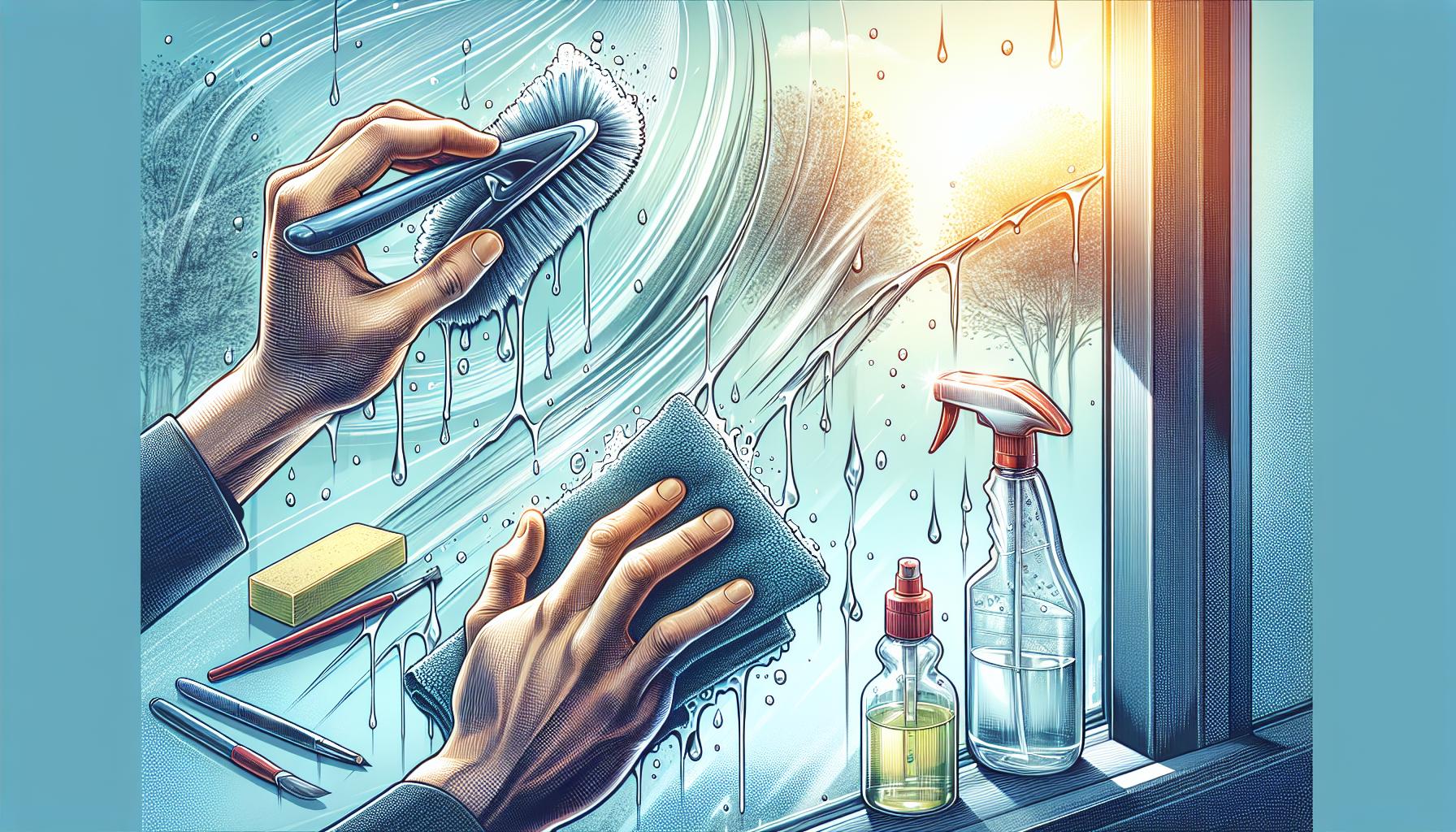
Choosing the Right Products for Tinted Windows
is essential for achieving that coveted streak-free shine without damaging the film. Not all cleaning supplies are created equal, and using the wrong ones can lead to scratches or discoloration of your window tint. Start with a dedicated window cleaner designed explicitly for tinted glass. These products are pH-balanced to avoid the harsh chemicals found in traditional cleaners, which can degrade the tint over time. Look for ammonia-free options, as ammonia can strip the tint and cause it to bubble or peel.
In addition to selecting the right cleaner, consider the tools you use for application. A microfiber cloth is your best friend when it comes to tinted windows. This material is gentle on surfaces yet highly effective at trapping dirt and grime, ensuring that your windows are left spotless without the risk of scratches. When cleaning, always opt for a soft sponge or cloth rather than paper towels, which can leave behind lint or even scratch the tint surface.
For routine maintenance, a simple blend of warm water and a few drops of dish soap can be an effective alternative for cleaning tinted windows. This gentle approach helps remove dirt without the risk of harming the film. When applying the solution, make sure to use circular motions, which helps in lifting dirt without leaving streaks behind.
Ultimately, the right products not only enhance the longevity of your window tint but also allow you to enjoy the aesthetic and functional benefits of your tinted windows every day. Remember, the quality of your cleaning supplies and tools can make all the difference in the clarity and appearance of your tinted glass.
Understanding the Tinted Film Types and Care
Understanding the type of tinted film on your windows is crucial for effective maintenance and care. Different films offer varying levels of protection, appearance, and durability, and knowing these differences will help you keep your windows looking pristine while avoiding potential damage during cleaning. The most common types of window tint include dyed, metallic, ceramic, and hybrid films.
Dyed Films have a layer of dye that absorbs solar heat. While they offer modest UV protection, they may fade over time due to prolonged sun exposure. Cleaning these films requires gentle methods to prevent scratching or discoloration. It’s best to avoid abrasive brushes or harsh chemicals. Instead, opt for a pH-balanced cleaner and microfiber cloth, which effectively lifts dirt without risking the integrity of the film.
Metallic Films provide excellent heat rejection and privacy due to their reflective qualities. However, their metal-infused layers can react poorly to certain cleaning products, resulting in streaks or deterioration. Always use a soft cloth and ammonia-free cleaners to maintain their shine. When applying cleaner, mist lightly rather than saturating the film to prevent moisture from seeping beneath the edges.
Ceramic Films are among the most advanced options available, offering high clarity and durability while blocking a significant amount of UV rays. They are resistant to scratches and fading, making them easier to clean. These films can handle a wider range of cleaning products, but for the best results, stick with non-abrasive solutions and use gentle pressure when wiping.
To ensure that your tinted windows maintain their stylish look and functional benefits, always read the manufacturer’s care instructions. Proper care not only preserves their appearance but also prolongs their lifespan. Remember, patience is key; take your time during the cleaning process to avoid any potential mishaps. By selecting the right film and following these care recommendations, you’ll enjoy clear, streak-free, and long-lasting tinted windows.
Step-by-Step Guide to Streak-Free Cleaning
Keeping your tinted windows spotless and streak-free doesn’t have to be a daunting task. In fact, with the right techniques and materials, you can achieve professional-quality results right at home. The key to success lies in being methodical and using the appropriate products tailored for tinted films, ensuring both clarity and longevity without causing damage.
Start by gathering your supplies: a pH-balanced window cleaner specifically designed for tinted windows, a clean microfiber cloth, and a squeegee. Make sure your cloth is free from any debris to prevent scratching. When ready, choose a cooler part of the day for cleaning your windows to avoid the cleaner drying too quickly, which can lead to streaks.
Next, spray your cleaning solution lightly onto the tinted film, avoiding oversaturation. Instead of a heavy application, a fine mist ensures that the cleaner does not seep beneath the edges of the tint. Using your microfiber cloth, start wiping in a circular motion to lift dirt and grime effectively. This method not only helps to lift contaminants but also minimizes the risk of leaving streaks behind. For tougher spots, such as bird droppings or sap, gently rub the area until the residue is removed, then follow with a clean section of the cloth to wipe away any cleaners.
To achieve a final polish and to eliminate any lingering moisture, use a squeegee. Pull it across the surface from top to bottom, wiping the blade with a microfiber cloth after each pass. This step is crucial for ensuring a streak-free finish. Once you’ve completed cleaning all windows, step back and check for any missed spots or streaks, addressing them promptly as part of your final inspection routine.
By following these straightforward steps, you will not only restore the shine to your tinted windows but also protect them against future wear. There’s a profound sense of satisfaction that comes with clean windows, so embrace the process and enjoy the clarity that your hard work provides.
Avoiding Common Mistakes When Cleaning Tinted Windows
Cleaning tinted windows can be an easy task, but many people unknowingly commit common errors that can lead to unsightly streaks, damage, or a less-than-stellar finish. One of the most critical mistakes is using improper cleaning solutions. Harsh chemicals and ammonia-based cleaners may leave a clear streak-free shine on regular glass, but they can degrade the tint film, leading to premature peeling or discoloration. Always choose a pH-balanced cleaner that is specifically designed for use on tinted windows, ensuring the safety and longevity of your investment.
Another frequent oversight is the use of inappropriate cloths for wiping. Standard paper towels or rough fabrics can scratch the delicate surface of tinted windows, compromising both appearance and durability. Instead, use a clean microfiber cloth that is specifically designed for window cleaning. This type of cloth effectively traps dirt and grime without scratching or leaving lint behind. When wiping, ensure you follow a proper technique: use circular motions and avoid pressing too hard, which can cause unnecessary friction against the film.
Timing is also essential when cleaning tinted windows. It’s best to clean them during cooler parts of the day to prevent the solution from drying too quickly, which can result in streaks. If the glass is hot from the sun, it can cause cleaning solutions to evaporate before they’ve had a chance to work, leaving behind residue. Take your time – clean a few panels at once, allowing the cleaner to sit for a moment before wiping it away to enhance its effectiveness.
Lastly, neglecting to conduct a final inspection can lead to missing spots that could draw attention on your freshly cleaned windows. After you’ve completed the cleaning, take a step back and evaluate the surface. If you notice any streaks or missed areas, go back and address them immediately. Taking these precautions will not only ensure your tinted windows look crystal clear but also extend the life of your tint, maintaining its appearance and effectiveness for years to come.
Advanced Techniques for Difficult Stains
Cleaning tinted windows can sometimes feel like an uphill battle, especially when faced with stubborn stains like bird droppings, tree sap, or water spots. To effectively tackle these challenging issues without damaging the tint, specific techniques should be employed that allow for thorough cleaning while maintaining the integrity of the film.
Start by identifying the type of stain you’re dealing with. For organic stains such as bird droppings, immediate action is crucial. Mix a gentle pH-balanced cleaning solution with warm water in a spray bottle. Mist the affected area lightly and let it sit for a minute to loosen the stain. Using a soft microfiber cloth, gently work in circular motions to break down the residue. Always avoid harsh scrubbing which can scratch the surface or damage the tint. For more persistent stains like tree sap, you may require a stronger approach. Apply a small amount of rubbing alcohol (isopropyl alcohol) to a microfiber cloth and dab it directly on the sap. Let it soak for a moment before gently rubbing it off. This technique consistently removes even stubborn stains without risking damage to your tinted windows.
When faced with difficult-to-remove hard water stains, consider using a vinegar-based solution. Mix equal parts white vinegar and distilled water in a spray bottle. Spray the solution on the stained area and let it sit for several minutes. The acidity in vinegar helps dissolve mineral deposits. Again, use a microfiber cloth to wipe clean-always in a gentle circular motion. If the stains persist, you can gradually increase the vinegar concentration or repeat the application.
For grease or oily spots, a bit of dish soap mixed with water can work wonders. Use a few drops of a non-ammonia liquid dish soap in a bowl of warm water. Dampen a microfiber cloth with the solution and apply it to the stain. Once the grease is lifted, wipe it off with a clean damp cloth to remove any soap residue. Always follow up by drying the area with a dry microfiber cloth to prevent new streaks from forming.
Finally, for any remaining smudges or lines after cleaning, a quick final rinse using plain distilled water can help refresh the window. Spray it lightly and finish wiping with a clean, dry microfiber cloth. Following these advanced techniques will not only help in removing tough stains but will also leave your tinted windows sparkling clear without compromising their protective film.
Maintaining Tinted Windows for Long-Lasting Clarity
Keeping your tinted windows clear and vibrant requires a consistent maintenance routine that not only enhances their appearance but also prolongs their lifespan. Understanding how to care for tinted windows effectively can save you time and money in the long run. The first step in maintaining clarity is to avoid using harsh chemicals and abrasive tools. Instead, opt for gentle cleaning products specifically designed for tinted surfaces. A soft microfiber cloth is your best ally; it won’t scratch the film while providing the absorbency needed to lift dirt and grime.
It’s also essential to establish a regular cleaning schedule. Clean your tinted windows at least once every two weeks to prevent buildup from dust, grime, and environmental contaminants. When doing so, use a solution of distilled water and a small amount of vinegar or a pH-neutral soap to avoid damaging the tint. Mix your cleaning solution in a spray bottle and lightly mist the surface before wiping it down in a circular motion. This gentle approach lifts dirt without compromising the tint’s integrity, leaving your windows streak-free and crystal clear.
Stored Up Dust and Streaks
If you notice stubborn streaks or a hazy appearance on your tinted windows despite regular cleaning, evaluate your cleaning technique. Often, streaks result from not using clean cloths or lingering residue from previous cleanings. Always ensure your microfiber cloths are clean and dry. Additionally, consider using a second, dedicated cloth for drying, which aids in removing any remaining moisture and prevents new streaks from forming.
Environmental Protection
Environmental factors like UV rays, rain, and pollution can take a toll on tinted windows. Protect your investment by using a window film protectant that creates a barrier against harmful substances. Regularly inspect your windows for any signs of peeling or bubbling. If these occur, it’s crucial to address them promptly to avoid any further damage. Maintaining tinted windows is a simple yet vital task that, when done correctly, ensures long-lasting clarity and enhances the aesthetic appeal of your vehicle. Following these proactive measures will not only keep your windows looking great but also enhance your overall driving experience by promoting visibility and comfort.
Natural Alternatives for Tinted Window Cleaning
Using natural alternatives for cleaning tinted windows not only benefits the environment but also ensures that you maintain the integrity of the window film. Commercial cleaners often contain harsh chemicals that can damage the tint or leave unwanted residue. Fortunately, there are effective and eco-friendly options you can easily mix at home.
Start with a simple solution of distilled water mixed with white vinegar. Use a ratio of 3:1 (three parts water to one part vinegar). This concoction effectively removes fingerprints, dust, and light grime without risking damage to your tint. Pour this mixture into a spray bottle, and lightly mist the tinted surface. Follow up with a soft microfiber cloth, using gentle circular motions. Not only does this method leave your windows dazzlingly clean, but vinegar also helps to eliminate odors and is an excellent disinfectant.
For additional cleaning power, consider adding a few drops of natural dish soap to your vinegar solution. This can enhance the grease-cutting ability of your cleaner while still being gentle enough not to harm the tinted film. Alternatively, a baking soda paste-a combination of baking soda and a bit of water-can tackle stubborn stains. Apply it carefully with a soft cloth, allowing it to sit for a minute before wiping clean with a damp microfiber cloth.
Always remember to perform a patch test on a small, inconspicuous area first. This will ensure that no adverse reactions occur with your specific film type. By utilizing these natural cleaning solutions, you’ll protect your tinted windows from damage while promoting clarity and shine, proving that going green can also mean achieving a spotless finish.
Tips for Safety While Cleaning Tinted Windows
Maintaining safety while cleaning tinted windows is paramount to achieving a spotless finish without damaging the delicate film. One of the most effective tips is to choose the right time of day for cleaning. Opt for early morning or late afternoon when the sun’s rays are less intense. Direct sunlight can heat up the glass, causing cleaning solutions to dry too quickly and leaving streaks or residue. Moreover, excess heat can compromise the adhesive that holds the tint in place.
When selecting cleaning materials, always use microfiber cloths. Unlike paper towels or rough fabrics, a microfiber cloth is gentle on tint films and prevents scratching. As you proceed with your cleaning, apply your chosen solution lightly; oversaturating the film can lead to dripping and pooling, which increases the risk of damage. Focus on using minimal product, and apply it in a uniform manner. This helps maintain clarity and extends the life of the tint.
As you work on the windows, maintain a steady hand and employ gentle pressure while wiping. Abrasive scrubbing can loosen the tint or cause it to lift at the edges. Utilize circular motions to disperse the cleaning solution evenly and ensure comprehensive coverage, effectively removing dirt without risking the quality of the tint. Should you encounter stubborn spots, avoid the urge to scrub harder. Instead, allow the solution to dwell for a few moments before gently wiping again. This method not only prevents damage but also enhances your cleaning success.
Finally, always remember to keep cleaning tools separate from other household supplies to avoid cross-contamination. Avoid using cleaners that contain ammonia or are harsh in nature, as these can strip the tint’s protective layer, leading to discoloration over time. By following these safety tips, not only do you ensure a crystal-clear finish, but you also safeguard the longevity of your tinted windows, making your cleaning efforts both efficient and effective.
When to Seek Professional Help for Window Tinting
When dealing with tinted windows, there are situations where attempting a DIY cleaning solution can lead to more harm than good. If you find that your tinted windows have developed stubborn stains, discoloration, or scratches that won’t respond to your usual cleaning methods, it’s time to seek professional help. Qualified window tinting specialists have the expertise and tools necessary to clean and restore the tint effectively without causing further damage.
Some indicators that professional assistance is warranted include significant film peeling at the edges, air bubbles trapped under the tint, or visible damage to the film itself. Addressing these issues proactively can help avoid the costly mistake of needing a complete tint replacement. Professionals will employ advanced techniques and solutions specifically designed for tinted windows, ensuring that the integrity of the film is maintained throughout the cleaning process.
Moreover, if you ever notice that your tinted windows are becoming hazy or are exhibiting a foggy appearance, do not hesitate to reach out for expert advice. This haziness can arise from improper cleaning methods or the deterioration of the adhesive beneath the tint. A professional can diagnose the underlying issue accurately and provide you with options for restoration or replacement. Ultimately, investing in professional help can not only save you time and frustration but also extend the lifespan of your tinted windows, preserving their appearance and functionality for years to come.
How to Protect Your Tinted Windows After Cleaning
To maintain the beauty and longevity of your tinted windows after cleaning, implementing protective measures is essential. The quality of care you give your windows not only preserves their appearance but also enhances their functionality, preventing peeling and fading. The first step is to ensure that your windows are completely dry after cleaning. Allow at least an hour for the film to set, especially in shaded areas, to avoid any moisture-related issues.
After drying, consider applying a protective sealant designed for window films. These sealants create an additional layer of protection that can resist dirt, dust, and even scratches. Look for products that are specifically formulated for tinted windows, as they will be less likely to cause any adverse reactions with the film’s adhesive. Furthermore, avoid using any harsh chemicals or abrasive materials that can degrade the tint. Instead, use soft microfiber cloths and ammonia-free cleaners, ensuring you maintain a gentle touch.
It’s also crucial to limit the exposure of your tinted windows to extreme conditions immediately after cleaning. For at least 48 hours post-cleaning, avoid rolling down the windows or exposing them to direct sunlight for prolonged periods. This allows the adhesive to settle and bond properly, preventing bubbling or lifting. When parking your vehicle, try to utilize shaded areas or invest in a car cover to protect your windows from harsh UV rays and potential damage from environmental factors.
In summary, keeping your tinted windows protected post-cleaning is about the right products and careful maintenance. By following these steps, you’ll not only enjoy a streak-free shine but also ensure your window tint stays in top condition for years to come. Embrace these practices regularly, and you’ll witness a significant reduction in wear and tear while maximizing the aesthetic and functional benefits of your window tints.
FAQs About Cleaning Tinted Windows
Cleaning tinted windows can sometimes raise more questions than answers. Many car owners are concerned about maintaining that sleek, streak-free finish without damaging the film that enhances both style and privacy. Here are some frequently asked questions that tackle common concerns and provide clear, actionable solutions to keep your tinted windows looking pristine.
One common question revolves around the best cleaning products to use. It is crucial to avoid any cleaners that contain ammonia, as this can deteriorate the adhesive and causing the tint to bubble or peel. Instead, opt for ammonia-free, pH-balanced cleaners specifically designed for tinted glass. Use soft microfiber cloths for wiping; these materials are gentle on the film while effectively removing dirt and grime.
Another frequent concern is how often to clean tinted windows. Regular cleaning is essential to prevent buildup that could lead to scratches or other damage. Aim for a thorough clean every month, but you can spot clean as needed. If you notice that the film looks cloudy or has a film over it, it’s time to get the microfiber cloths and cleaner out. Be sure to work in circular motions, applying light pressure to avoid scratching the surface. This technique consistently removes even stubborn stains without risk of harm to the tint.
Many people also wonder if professional cleaning is necessary. While most maintenance can be managed by car owners themselves, professional detailing services can be beneficial for deep cleaning or addressing any stains that seem resistant to traditional methods. If you notice persistent spots or discoloration, seeking expert help could save you time and ensure the longevity of your tint.
Finally, always remember the best practices after cleaning. Allow the tinted windows to dry completely before rolling them down or exposing them to direct sunlight. This step is crucial to preserving the bond between the film and glass. By following these guidelines, you can maintain the appearance and functionality of your tinted windows effectively.
Wrapping Up
Now that you’ve mastered the art of cleaning tinted windows for that stunning, streak-free shine, it’s time to put your newfound skills to test! Remember, using the right cleaning solution and tools-like a microfiber cloth and a dedicated window cleaner-will ensure your tinted glass stays flawless without the risk of damage. Don’t wait-try these techniques today and share your success stories in the comments below!
For further tips on maintaining your vehicle’s appearance, check out our guides on “Best Products for Car Detailing” and “How to Keep Your Interior Clean.” Equip yourself with the knowledge and tools needed to keep every aspect of your car looking sharp. If you found this helpful, sign up for our newsletter for more expert advice and exclusive content. Your car deserves the best care, and we’re here to help!
Get our latest guides, news, and insights highlighted in your Google Search & AI Overviews.


